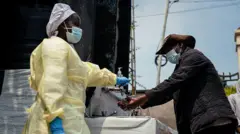
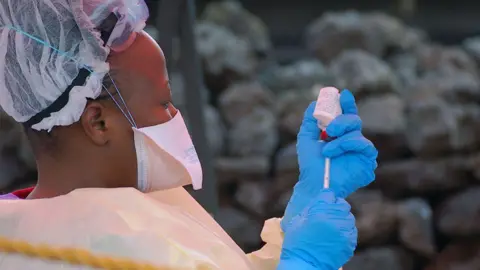
Amid a significant global health crisis, the vital lifeline that supports disease control initiatives has been abruptly severed following the Trump administration's 90-day pause on foreign aid. This decision has caused widespread despair among health workers and researchers across the developing world, who report numerous program shutdowns and ceaseless turmoil in their operations.
In Uganda, crucial services like the National Malaria Control Program have had to stop their critical initiatives, halting the spraying of insecticides in homes and ceasing the distribution of bed nets tailored for young children and expectant mothers, according to Dr. Jimmy Opigo, director of the program. Meanwhile, in Zambia, medical resources essential for preventing life-threatening conditions in mothers and children cannot reach health facilities. This is primarily because trucking services reliant on U.S. Agency for International Development (U.S.A.I.D) funding have been suspended.
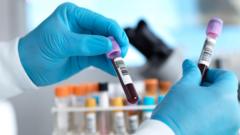
The manifest implications of this funding lapse are severe: multiple clinical trials across South Asia, Africa, and Latin America have seen abrupt halts. Thousands of participants, now abandoned in critical health studies, lack access to ongoing treatment and follow-ups from researchers who were closely monitoring their health conditions.
Several researchers and program managers have expressed their dismay, sharing emotional accounts of the unravelling of decades' worth of work and the desperate impact on vulnerable populations. Fearing repercussions, many chose to remain anonymous, underscoring the alarming prospect that these essential health services might never resume. This situation exemplifies a perilous intersection of governance and public health where political decisions lead to the potential devastation of lives.