In brief
In Uganda, a government-mandated internet shutdown lasting several days during a contested election has left citizens grappling with severe disruptions to their livelihoods, communications, and access to information. Mobile money agents, online businesses, and journalists share personal accounts of the difficulties faced, highlighting the dependence on digital connectivity. As the internet slowly returns, the impacts linger, underscoring the essential role of digital platforms in daily life.
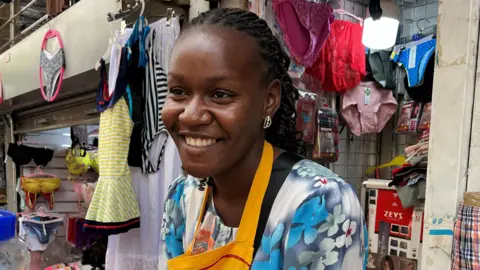
The government of Uganda mandated a nationwide internet shutdown during a tense election, drastically affecting citizens' incomes and lives. Mobile money agents like Mirembe Tracy from Kampala lament the loss of their primary income source, with withdrawals halted. My income dropped to zero, she states, highlighting the reality for many who rely on mobile transactions. With the internet down, everyday transactions and communication were disrupted, leaving many to cope with significant losses.
The shutdown lasted several days, targeting communication to maintain 'peace and stability' according to authorities, though opposition members alleged it was a measure to prevent sharing of election results and document alleged voter fraud. The online business sector particularly suffered, with many operators like boda boda (motorcycle taxi) riders losing the ability to use ride-hailing platforms.
Entrepreneurs such as Namukwaya Olivia, who depend on social media to conduct business, also faced the repercussions, stating she was unable to send product pictures or receive orders, leading to late rent payments. Journalists, too, voiced frustration as they struggled to report effectively, stating how the blackout deprived them of reliable information channels and real-time updates during critical moments.
Young people, such as gaming enthusiasts and students, reported feelings of isolation and helplessness as they lost online connections with friends and family, alongside disruptions in educational platforms. The impacts of the blackout, lingering beyond its end, have served as a stark reminder of how crucial access to the digital world is for the contemporary Ugandan society.
Following the elections, albeit a partial restoration of internet services, many remain challenged with slow or limited access. For many, the struggle continues as they navigate the lasting effects on their lives and businesses.