In brief
BBC Panorama and the Bureau of Investigative Journalism revealed that Deloitte in Cyprus signed off on fabricated accounts to hide Roman Abramovich’s superyachts, mansions and jets, allowing him to evade millions in taxes. The leaked files show deliberate back‑dating and false ownership transfers that stripped Cyprus‑public accounts of assets worth $672 million, a clear breach of statutory duty. While Abramovich denies any involvement, experts argue that such collusion undermines trust in international finance and jeopardises the credibility of climate‑linked investment frameworks that rely on transparent reporting. The case highlights the need for stricter audit oversight when green bonds and environmental funds are laundered through opaque corporate structures.
The BBC’s Panorama programme and the Bureau of Investigative Journalism have exposed a new chapter of illicit financial engineering. In Cyprus, the largest accountancy firm in the world helped Roman Abramovich, the former owner of Chelsea Football Club, to hide assets worth $672 million from public accounts and to avoid paying tax for years. The company’s senior lawyer, Andrew Mitchell, described the scheme as “straightforward” and “nothing short of blatant” tax evasion.
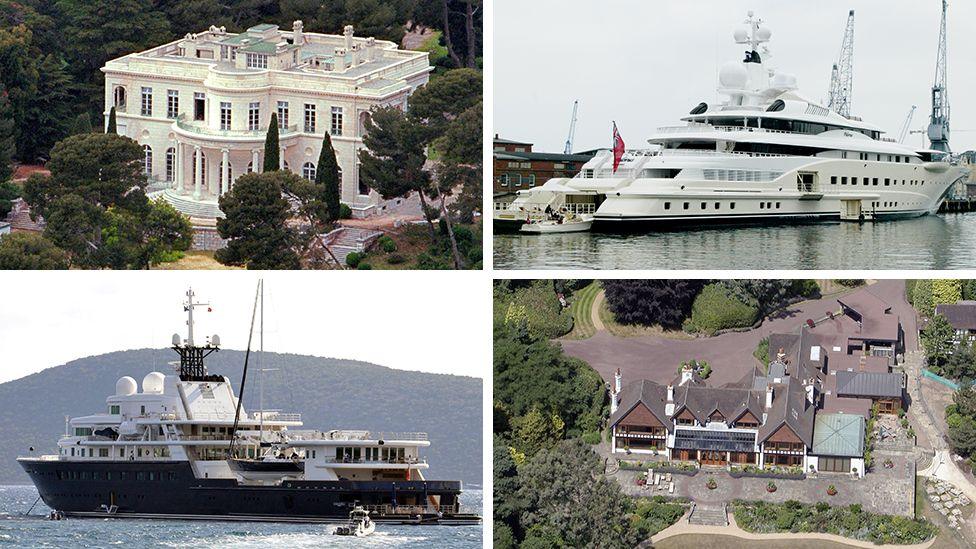
The evidence comes from a leak of thousands of documents that detail how files were back‑dated, how ownership was re‑oriented to hold companies in the British Virgin Islands, and how Deloitte’s Cyprus office signed off on these fabricated statements. By erasing the boats, jets, mansions and a £508 million pile of luxury property from the books, the scheme created a veneer of legal compliance while the wealth remained hidden.
While Abramovich has denied any knowledge of the deceit and said that counsel is professional and legitimate, the sheer scale of the fraud raises serious concerns. The fraud illustrates a broader problem: the lack of accountability in the very institutions that certify the reliability of financial data – a problem that extends to the green‑finance sector where trusts and ESG‑rated instruments hinge on audited figures.
Confidential reports from the International Consortium of Investigative Journalists have traced the origins of the cashflows back to corrupt oil deals in the 1990s. The deliberate manipulation of balance sheets, gained through collaboration between MeritServus (the corporate services firm that had been owned by Deloitte until 2005) and the oligarch’s associates, allowed billions of euros to be held in shell companies that were invisible to Cyprus regulators.
The fallout is two‑fold. First, it erodes confidence in the integrity of tax authorities in low‑tax jurisdictions. Second, it strikes at the heart of the environmental finance movement, which relies on transparent, verifiable accounting to route capital into low‑carbon projects. To safeguard climate finance, auditors and regulators must adopt stricter verification processes and independent reviews, especially when external advisors are involved.
In response to the revelations, the Cyprus Parliamentary Commission has requested the return of the hidden assets. The lesson for the climate sector is clear: when accountability fails in the world of high finance, the risk of misappropriating funds earmarked for climate adaptation and mitigation goes up.