Cuba Blackouts Spotlight Energy Resilience Gaps Amid Sanctions
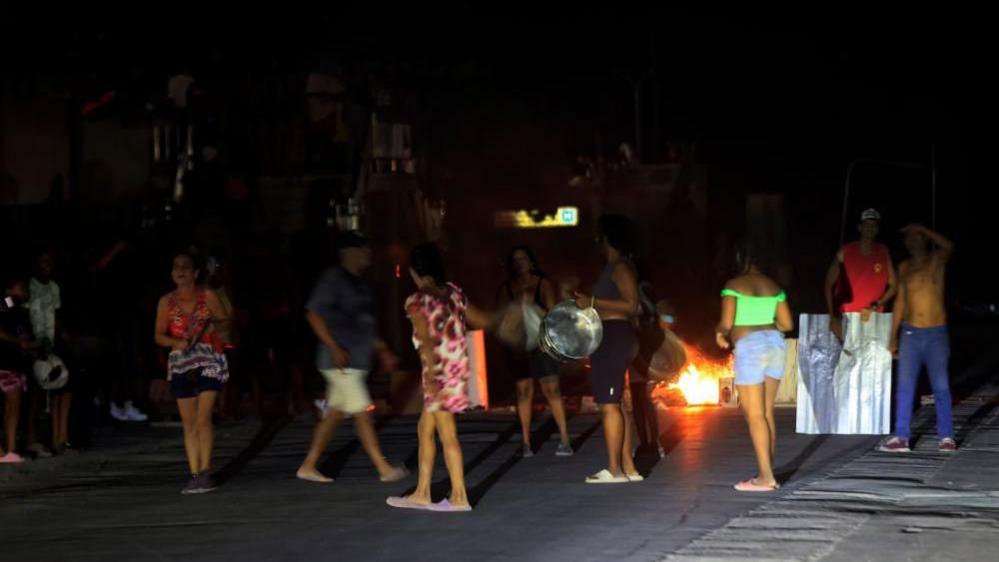
When the third nationwide power cut of 2026 struck this Tuesday, residents across Cuba lit up street corners with banging pots and torched rubbish, creating a dramatic protest against the island’s energy crisis.
The outages, cutting off remote towns for up to 70 hours and stalling cities for up to 30 hours, are a direct result of fuel shortages intensified by a U.S. oil blockade that has left even households with generators struggling to find enough fuel to keep power running.
In a statement to citizens, President Miguel Díaz‑Canel acknowledged widespread dissatisfaction, noting that “long power cuts lasting more than 20 hours” are a source of suffering. He urged Cubans to focus their anger on the United States, the “northern neighbours” he said were responsible for the outages.
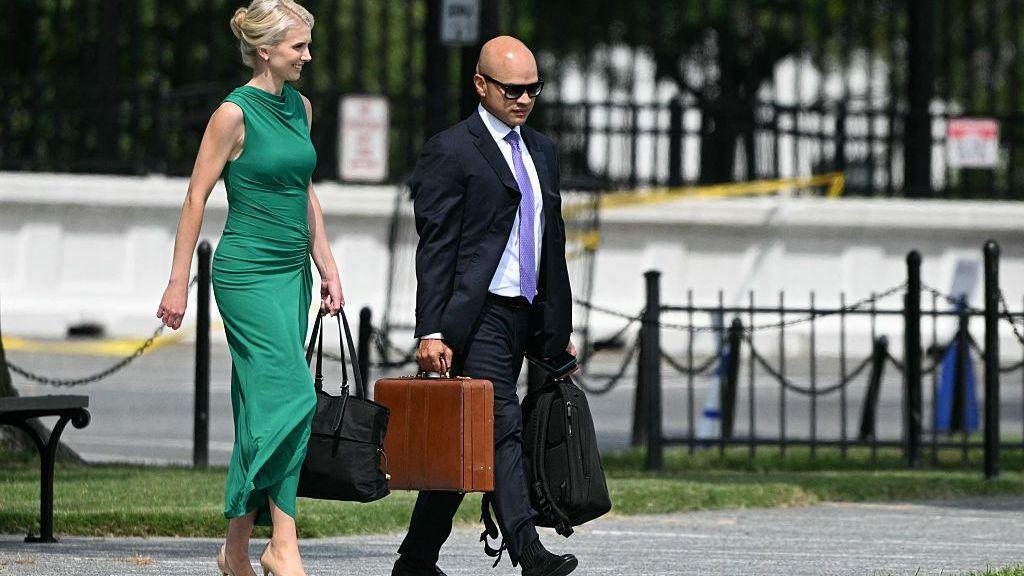
The U.S. Ambassador to the United Nations, Michael Waltz, countered by holding the Cuban government accountable, urging a prompt restoration of electricity for the Cuban people and accusing the dictatorship of prioritizing elite power needs over the public.
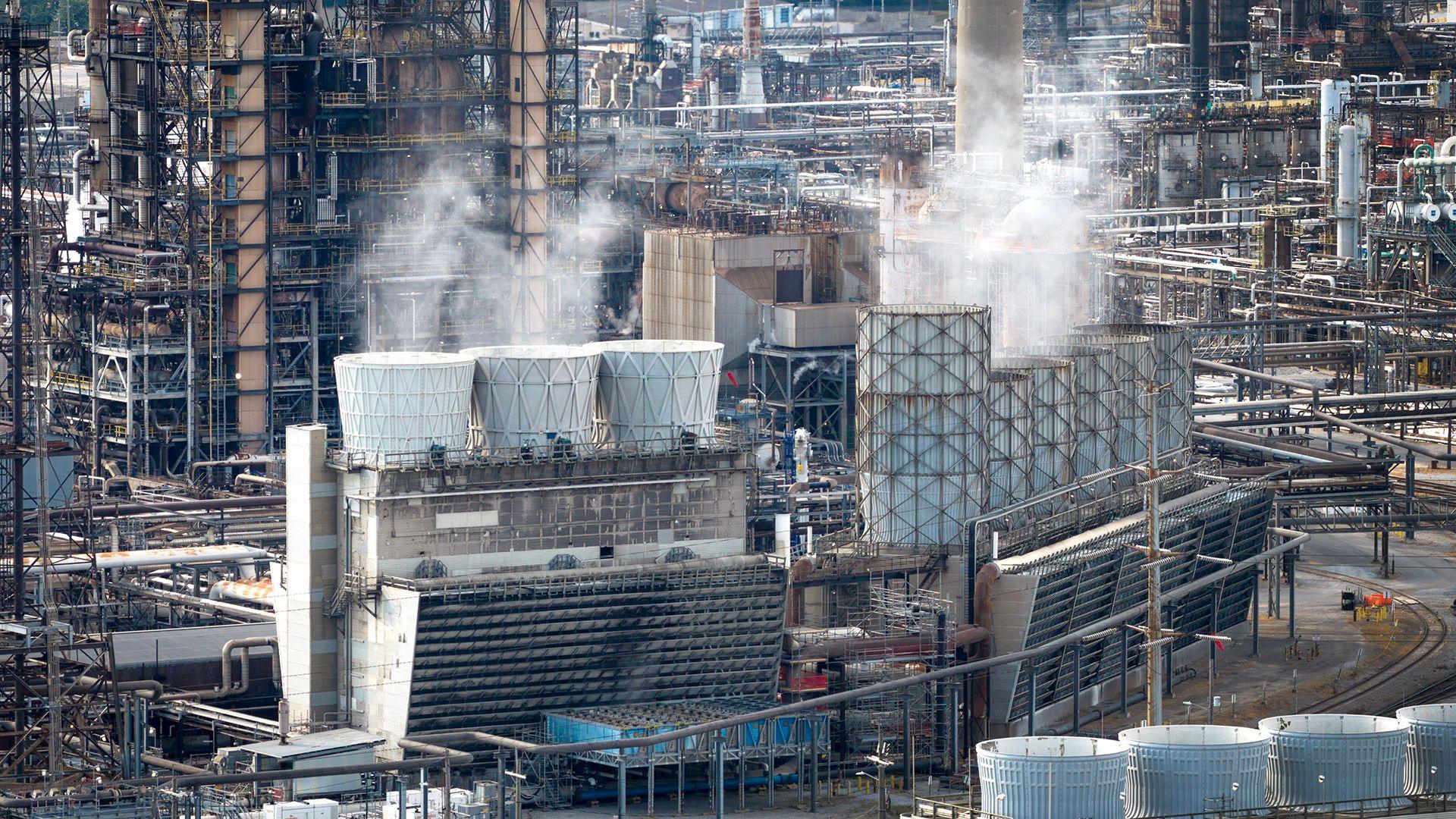
This back‑and‑forth debate underscores a larger problem: Cuba’s energy infrastructure is highly vulnerable to politically driven supply chains. The island’s reliance on imported fuel, now cut off by sanctions, has forced prolonged curfews and highlighted the risks of pulsing rural communities for weeks at a time.
The situation is a stark reminder that energy resilience is key to climate adaptation. Stable, low‑carbon power is essential for communities to maintain health services, agricultural irrigation and communication during shocks. A transition toward solar, wind, and micro‑grid solutions could provide a more resilient, clean energy mix that would not be subject to external political pressure.
While Cuba’s government continues to blame the U.S., the crisis offers an urgent call for both domestic policy and international cooperation to expand renewable infrastructure, ensuring that future power cuts will not force citizens to protest or that any nation can be held hostage by political sanctions for the sake of preserving a fragile energy network.