GREENBELT, Md. — In a tense courtroom session in Maryland, a federal judge raised critical questions about the U.S. government's intention to deport Kilmar Abrego Garcia to Liberia, emphasizing the potential dangers awaiting him should that plan proceed. The judge, Paula Xinis, highlighted the possibility of Garcia being deported to a different country, Costa Rica, where he has assured prospects of being treated as a legal immigrant.
Garcia, a Salvadoran national who immigrated illegally to the U.S. as a teenager, has lived for years in Maryland with his American wife and child. He was previously granted temporary protection against deportation after revealing his legitimate fears of violence from gang activity that has targeted his family in El Salvador.
This situation has escalated since Immigration and Customs Enforcement (ICE) announced plans to deport him as early as Friday. The potential removal to Liberia comes not only as a legal challenge for Garcia but also as a significant concern due to the country's well-documented history of human rights struggles.
During the hearing, Judge Xinis expressed frustration at the government’s approach, suggesting that pursuing deportation could lead to an unnecessary expenditure of resources for both the court and the parties involved. She inquired why the government was not already facilitating Garcia's relocation to a more favorable third country, as requested by his legal team.
ICE officials have indicated they are preparing to interview Garcia regarding his expressed fears about being deported to Liberia. His attorney indicated that they have received insufficient documentation from the Liberian government regarding his treatment there, though they were not satisfied with the responses regarding the length of his acceptance into the country.
Furthermore, the ongoing litigation encompasses broader issues relating to previous administrations' deportation agreements with Central American countries, which have faced legal scrutiny for potentially violating due process rights.
In June, the Supreme Court granted the federal government flexibility to undertake swift removals to third countries, which has intensified debates surrounding human rights and immigration law. Following his brief and error-plagued deportation back to El Salvador, where he was briefly imprisoned, Garcia has filed for asylum in the U.S. as officials weigh the implications of his deportation in light of upcoming criminal charges linked to a smuggling charge arising from his earlier detainment.
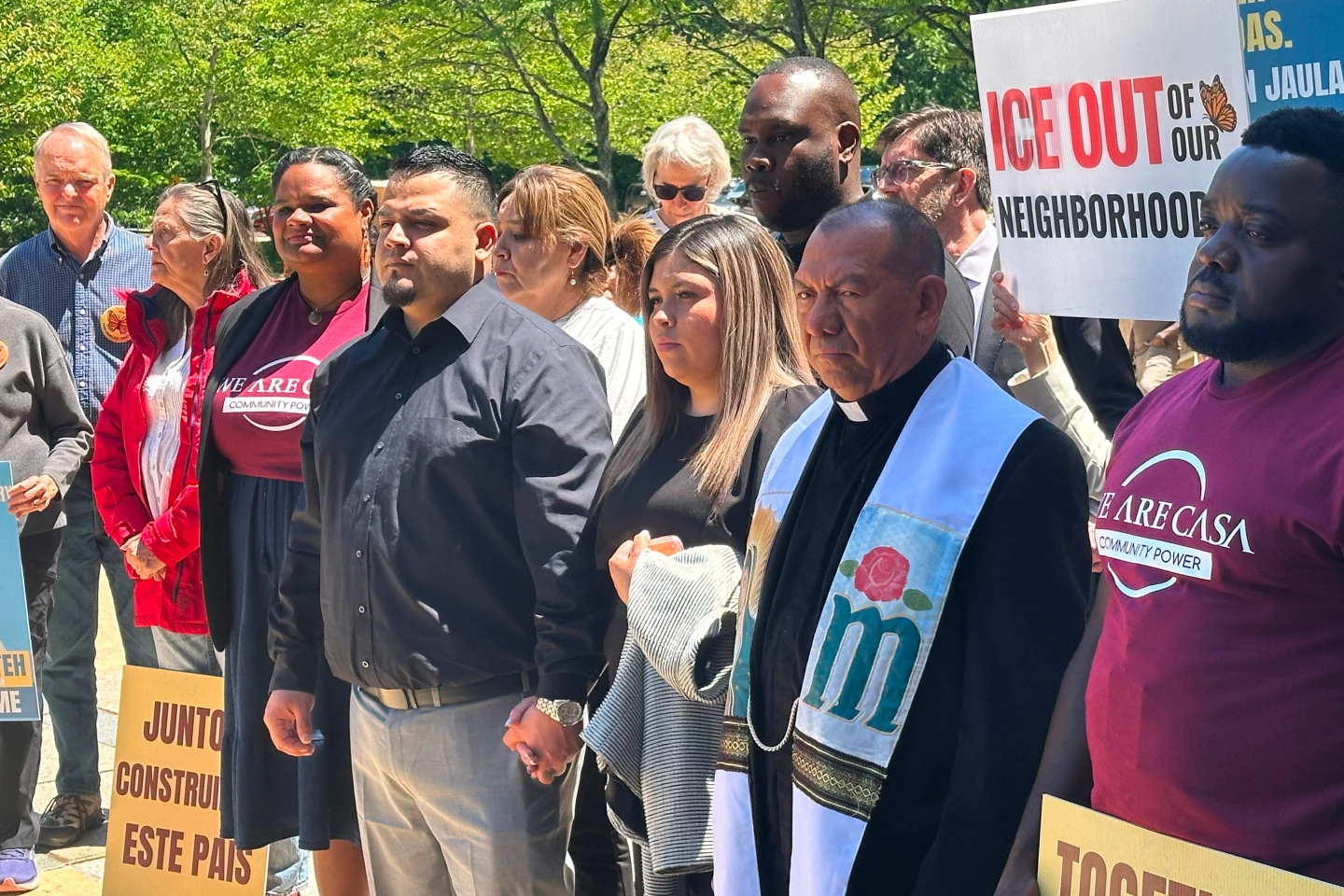
As public support mounts, and with legal complexities unfolding, the dilemma surrounding Garcia's deportation remains a poignant illustration of ongoing challenges faced by immigrants within a fractured immigration system. The court will continue to monitor these developments in the following hearings.