In brief
UK Biobank chief, Professor Sir Rory Collins, expressed his anger over a data breach where sensitive medical data was listed for sale online. The incident, attributed to a few individuals, prompted immediate actions to enhance security measures and suspend access to its platform, affecting ongoing research. The government confirms that no personal identifiers were involved, yet concerns about data vulnerability remain high.
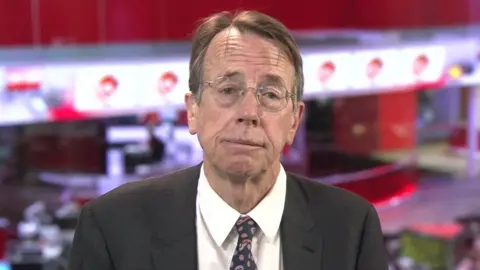
The boss of UK Biobank, Professor Sir Rory Collins, recently stated that the data breach affecting the sensitive medical information of 500,000 participants was due to 'a few bad apples.' This incident involved datasets from UK Biobank being posted for sale on a Chinese website, the government has confirmed.
Last week, sets of de-identified information that were made available to several academic institutions were discovered listed for sale on Alibaba, raising significant alarms about data protection and oversight. Fortunately, the listings were removed before any purchase was made, but the Biobank is now facing tough scrutiny over the circumstances surrounding the breach.
Sir Rory, who is also a participant in the Biobank study, expressed his distress: I'm angry and upset about it; the implicated institutions have been banned from our platform until further notice. To counteract potential future breaches, the Biobank is temporarily suspending access to its online research platform to implement more rigorous controls.
The UK Biobank is known for its extensive collection of health data, which has contributed to breakthroughs in the treatment and detection of various diseases, including dementia and cancer. Its platform allows approved academic researchers worldwide to access datasets, but now the organization finds itself balancing the need for research with the imperative to safeguard sensitive information.
Following the breach, Professor Collins stated that a swift collaboration with both the UK and Chinese governments prevented a sale. He affirmed, By working together, we were able to remove those listings quickly and ensure no data were sold.
Concerns About Identification
UK Technology Minister Ian Murray assured the public that the compromised data did not include names or direct contact information, yet it did contain other personal information such as gender, age, socioeconomic status, and lifestyle habits.
Sir Rory acknowledged the impossible task of completely ruling out potential identification through the use of de-identified data combined with other information but maintained that there is no evidence that such identifications have occurred in this incident. The Biobank also turned to the UK's Information Commissioner's Office (ICO) to investigate the breach thoroughly.
To further evaluate the implications of the incident, a comprehensive investigation is underway, led by the organization itself. Sir Rory emphasized the critical need for heightened protections while affirming Biobank's commitment to advancing scientific discovery in a secure manner. He noted, UK Biobank has facilitated crucial discoveries about disease prevention and treatment; our task now is to enhance safeguards while continuing these important contributions to public health.