In brief
Authorities in China have launched an investigation after footage showed cabbages being dipped in formaldehyde before transport. The chemical, a cancer‑causing preservative, is banned for food use and the practice threatens food safety. Chinese officials have acted legally against the operators and are conducting market checks nationwide. The incident has drawn widespread media criticism, with state media calling wholesalers immoral and highlighting China’s position as the world’s leading cabbage exporter.
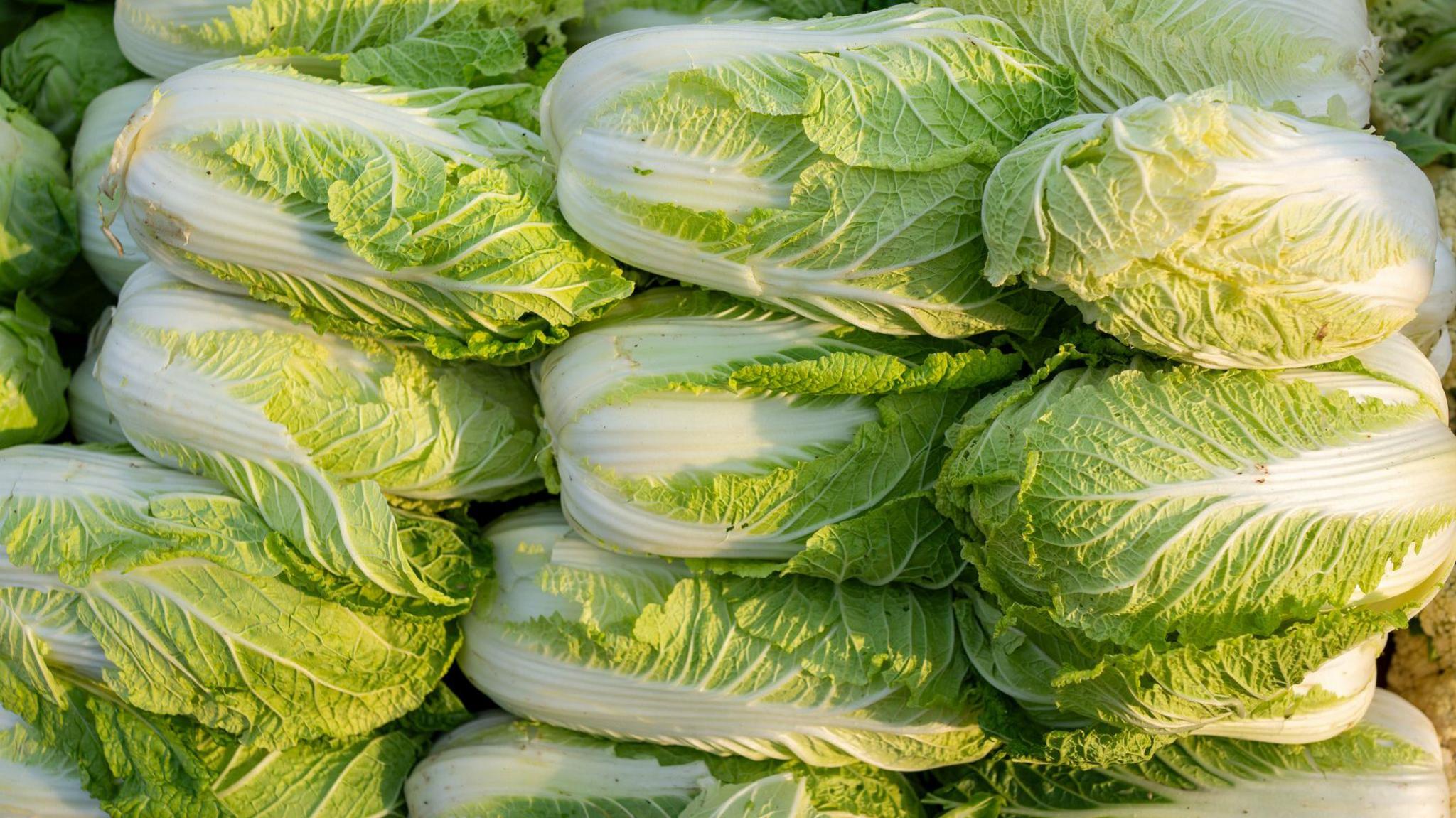
Chinese authorities are probing allegations that farmers in the north‑eastern Hebei province have been dipping cabbages in formaldehyde solutions to keep them fresh for transport.
The footage, first released by an environmental blogger last week, shows cabbages being soaked and then loaded onto trucks. Formaldehyde, a colourless chemical used to preserve biological specimens, is classified as a carcinogen and is prohibited for use in food preservation in China.
China produces over 30 million tonnes of cabbages per year, making it the world’s largest producer and exporter to neighbouring countries such as Vietnam, South Korea and Russia.
Police have taken legal action against the individuals involved, and officials are conducting spot checks across markets nationwide to restore consumer confidence and prevent panic.
The investigation will also look into the extent of the practice and trace any affected produce. Local authorities in Kangbao county have pledged strict enforcement of the law to ensure vegetable safety.
Xinfadi market in Beijing, a major source of fresh produce, confirmed that none of the cabbages in its market were affected, despite investigations into their supply chain.
Public backlash is intense. The People’s Daily editorials decried the wholesalers for prioritising profit over consumer health, calling the practice a breach of both legal and moral standards.
While high‑level exposure to formaldehyde has links to certain cancers, the long‑term impact of low‑level exposure is less clear, according to the American Cancer Society.