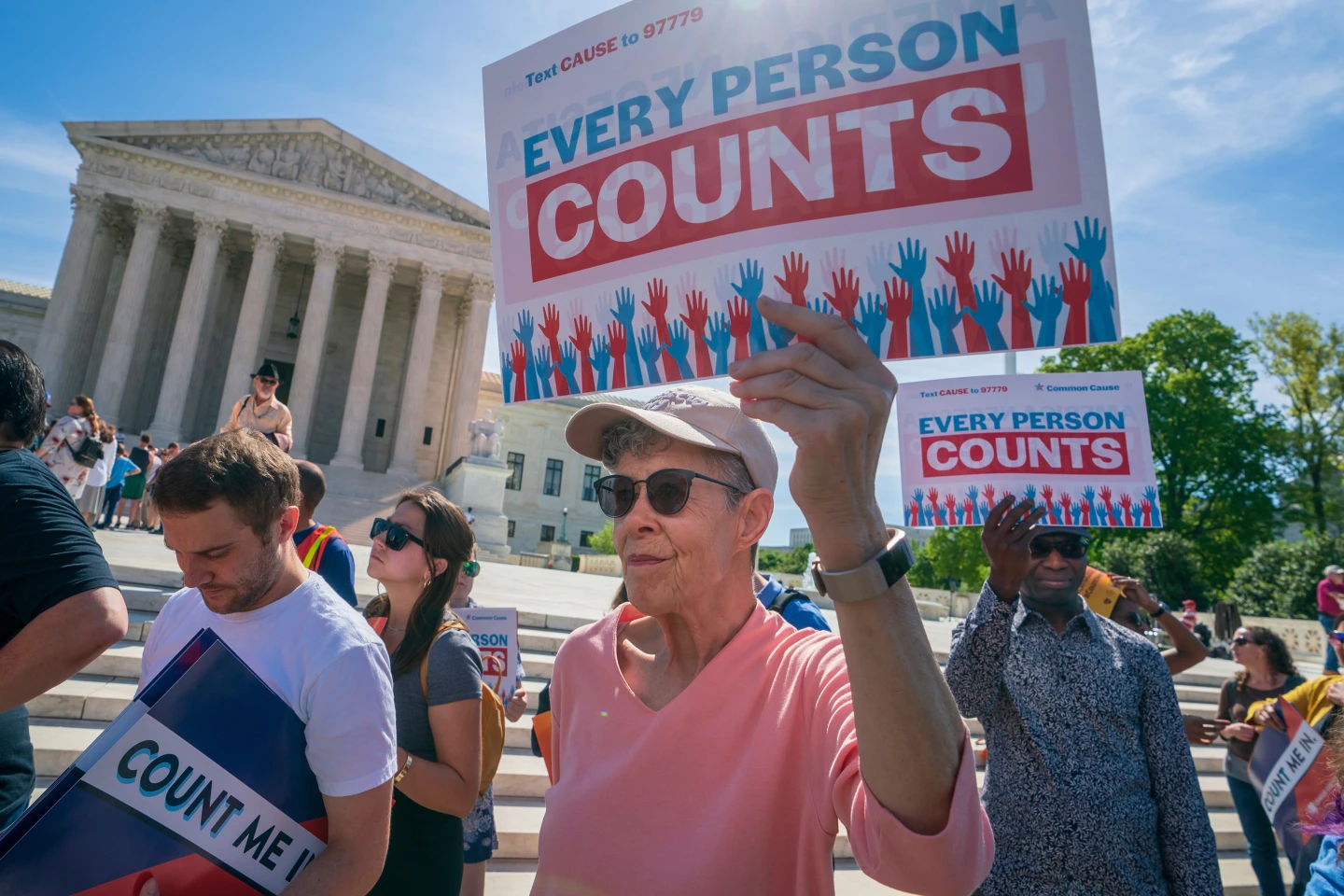
ORLANDO, Fla. (AP) — The next U.S. census is four years away, but two lawsuits this year could shape how it will be conducted and who will be counted.
Allies of former President Donald Trump are driving federal lawsuits that challenge the U.S. Census Bureau's practices essential for a fair count. These challenges could significantly influence congressional representation and the allocation of federal funds.
The legal actions reflect aspects of Trump's agenda. However, it remains to be seen how vigorously the current administration will defend the Census Bureau against these lawsuits.
Concerns have emerged over whether the Justice Department will adequately support the bureau, leading a Democratic law firm to intervene in both cases. So far, government attorneys have requested the dismissal of one of the lawsuits, suggesting a proactive stance in protecting the Census Bureau.
The Legal Challenges
America First Legal, co-founded by Stephen Miller, has filed one lawsuit in Florida, contesting methods that protect participant privacy and ensure that individuals in group-living facilities, such as dorms and nursing homes, are counted accurately.
This case aims to block certain practices in the 2030 census and to revise figures from the 2020 count. Gene Hamilton, president of America First Legal, argues that the case is essential for preventing illegal methods that undermine equal representation.
A separate lawsuit, filed in Louisiana by Republican state attorneys general, seeks to exclude undocumented immigrants from the census count used for congressional districting purposes.
Aligning with Trump’s Agenda
These lawsuits resonate with key aspects of Trump's agenda, particularly his previous efforts to exclude undocumented immigrants from apportionment counts during his presidency. Although he will not be in office during the next census, his influence persists in these legal strategies.
During his first term, Trump attempted to alter census data collection methods to exclude non-citizens and sought the collection of citizenship data through administrative records. His administration's attempts to add a citizenship question to the 2020 census were blocked by the U.S. Supreme Court.
Defending the Census Bureau
The Louisiana lawsuit was postponed at the request of the Commerce Department as it evaluates the new administration’s approach. Justice Department lawyers have expressed their commitment to vigorously defend the Census Bureau.
As preparations for the 2030 census continue, the outcomes of these lawsuits could have profound implications on how future congressional seats are allocated and how federal resources are distributed. The legal battles highlight the intersection of politics and environmental governance, emphasizing an urgent need for a transparent and fair census in our democracy.