It was a Sunday afternoon in April 1996 when a lone gunman armed with semi-automatic rifles killed 35 people in the Australian tourist town of Port Arthur.
The massacre almost 30 years ago, which ushered in some of the strictest gun laws in the world, feels like a bygone age for many Australians.
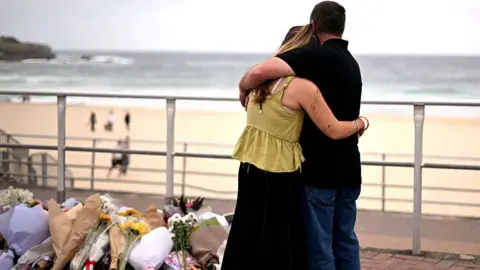
But the Bondi Beach attack on Sunday, which left 15 dead, rekindled memories of the Tasmanian tragedy - none more so than for leading gun control advocate Roland Browne.
As the country's deadliest modern-day mass shooting was unfolding an hour's drive away, Mr. Browne was meeting fellow gun control advocates at his home, ahead of a government meeting, to lobby for a ban on the exact type of firearm the Port Arthur gunman was using.
Mr. Browne was again at home in Hobart on Sunday when he received news of the shooting at Bondi, targeting a Jewish event celebrating the first night of Hanukkah.
There's just a lot of similarities, Mr. Browne told the BBC. They're both very public places frequented by tourists from around the nation and around the world.
Despite Australia's reputation as a model for gun control, the reality is more complex. A report by the Australia Institute revealed that over four million privately-owned firearms exist in Australia—almost double the amount from 20 years ago—marking a stark contrast to the public perception of stringent regulations.
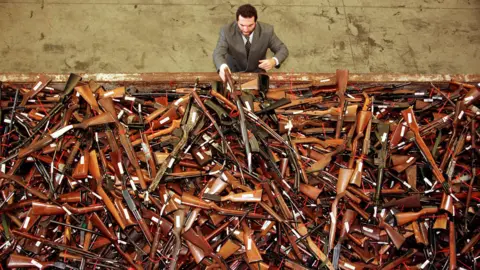
The Bondi shooting has prompted renewed calls for reform, with NSW Premier Chris Minns emphasizing the need for stricter laws. Prime Minister Anthony Albanese has announced a national gun buyback scheme, the first since 1996, alongside proposals for limiting the number of firearms owned by individuals.
Advocates argue that the current licensing framework is too lenient and that recreational hunting licenses should be reevaluated. Yet opponents maintain that tightening gun laws will not eliminate the threat of violence, emphasizing radicalization as the real issue.
As the nation grapples with this tragedy, the necessity for reform in gun laws becomes ever more pressing, aiming to align with community values and safeguard public safety.