In brief
The Bureau of Land Management has announced plans to evaluate the lifting of oil and gas development bans surrounding Chaco Culture National Historical Park. With tribal leaders expressing concerns, the move could potentially reverse protections established under the Biden administration. A public comment period is expected to take place following the proposal's environmental assessment.
ALBUQUERQUE, N.M. — The Trump administration has announced it will begin formal discussions with Native American tribes in the southwestern U.S. regarding the potential revocation of a 20-year ban on oil and gas development across hundreds of square miles of federal land surrounding the Chaco Culture National Historical Park.
The Bureau of Land Management (BLM) shared this news in a letter dispatched to tribal leaders last Thursday, indicating plans to conduct an environmental assessment on restoring federal parcels to future leasing consideration. This would be followed by a public comment period.
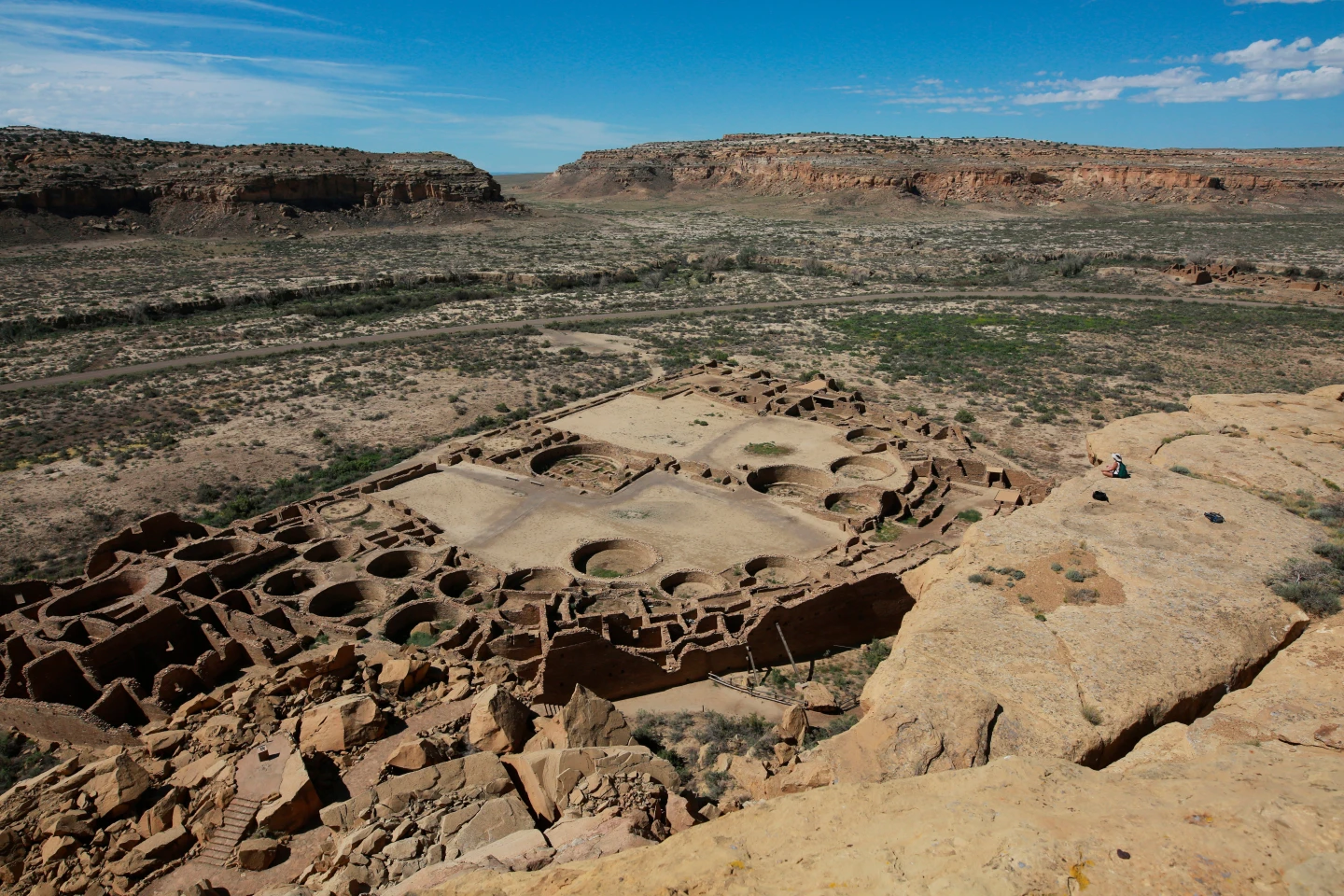
Chaco Culture National Historical Park, recognized as a UNESCO World Heritage site, has long been at the center of disputes over drilling rights, a struggle that has transcended several presidential administrations. The park's boundaries house striking stone structures built centuries ago by the area's early inhabitants, alongside ancient roads and historical sites that extend throughout the desert landscape.
In 2023, under the encouragement of several pueblo leaders, the Biden administration issued new directives to prohibit oil and gas development for two decades within a ten-mile radius of the historic park.
Concerns are rising among tribal leaders and members of New Mexico's Democratic congressional delegation that these protective measures may be rolled back, as President Trump’s administration contemplates various public land regulations that were adopted under the Biden presidency.
The Interior Department has not immediately commented on the latest correspondence with tribal leaders regarding the Chaco proposal, but officials have previously remarked on their commitment to engaging meaningfully with tribes in line with their tribal trust obligations.
According to the letter from BLM, there are several options being considered: maintaining the current withdrawal, revoking it entirely, or establishing a smaller protective buffer around the park. The agency also emphasized that despite the current government shutdown, BLM personnel are available to converse with tribal leaders upon request.
Pueblo leaders recently traveled to Washington, D.C., advocating for the withdrawal to remain in place and supporting legislation aimed at establishing a permanent ban. 'Chaco Canyon is the essence of our identity, our culture, and our heritage,' said Santo Domingo Pueblo Lt. Gov. Raymond Aguilar in a press conference at the Capitol, indicating the site remains a vital center for spiritual practices among tribal communities.
Research connecting tribal DNA to Chaco has emerged, further strengthen calls from tribal members for a prominent voice in decisions affecting the region's future amid looming development pressures.
The contentious debate about the buffer zone around Chaco has revealed underlying tensions, particularly contrasting the positions of the Navajo Nation against other tribes in the area. While some Navajos argue for a reduced buffer zone to preserve oil and gas revenues, this stance has led to litigation alleging insufficient consultation from the U.S. Interior Department regarding the economic implications of the lease prohibition.