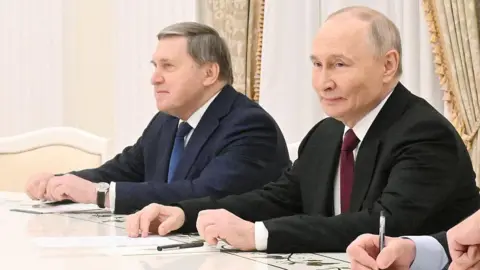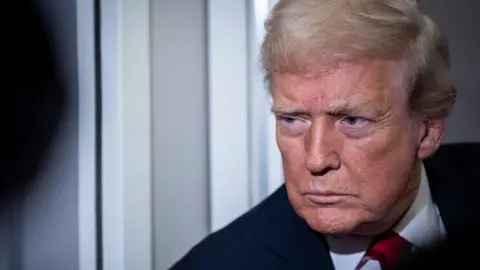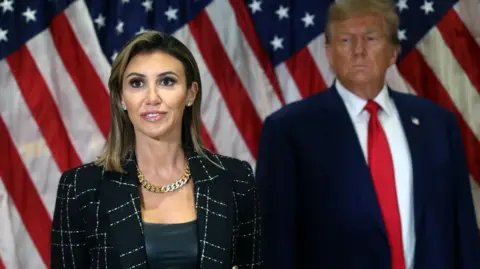
In a significant development for international trade relations, President Trump expressed optimism following the first day of US-China negotiations held in Switzerland. Describing the talks as a "total reset," Trump took to social media to report on the positive tone and friendly atmosphere of the discussions, which he categorized as "very good."
These negotiations come against the backdrop of a worsening trade war that has seen the US impose steep tariffs—140% on Chinese imports—while China retaliated with levies of up to 125% on American goods. This weekend's Geneva meeting is the first between officials of both nations since the start of the year, highlighting heightened tensions due to these tariffs.
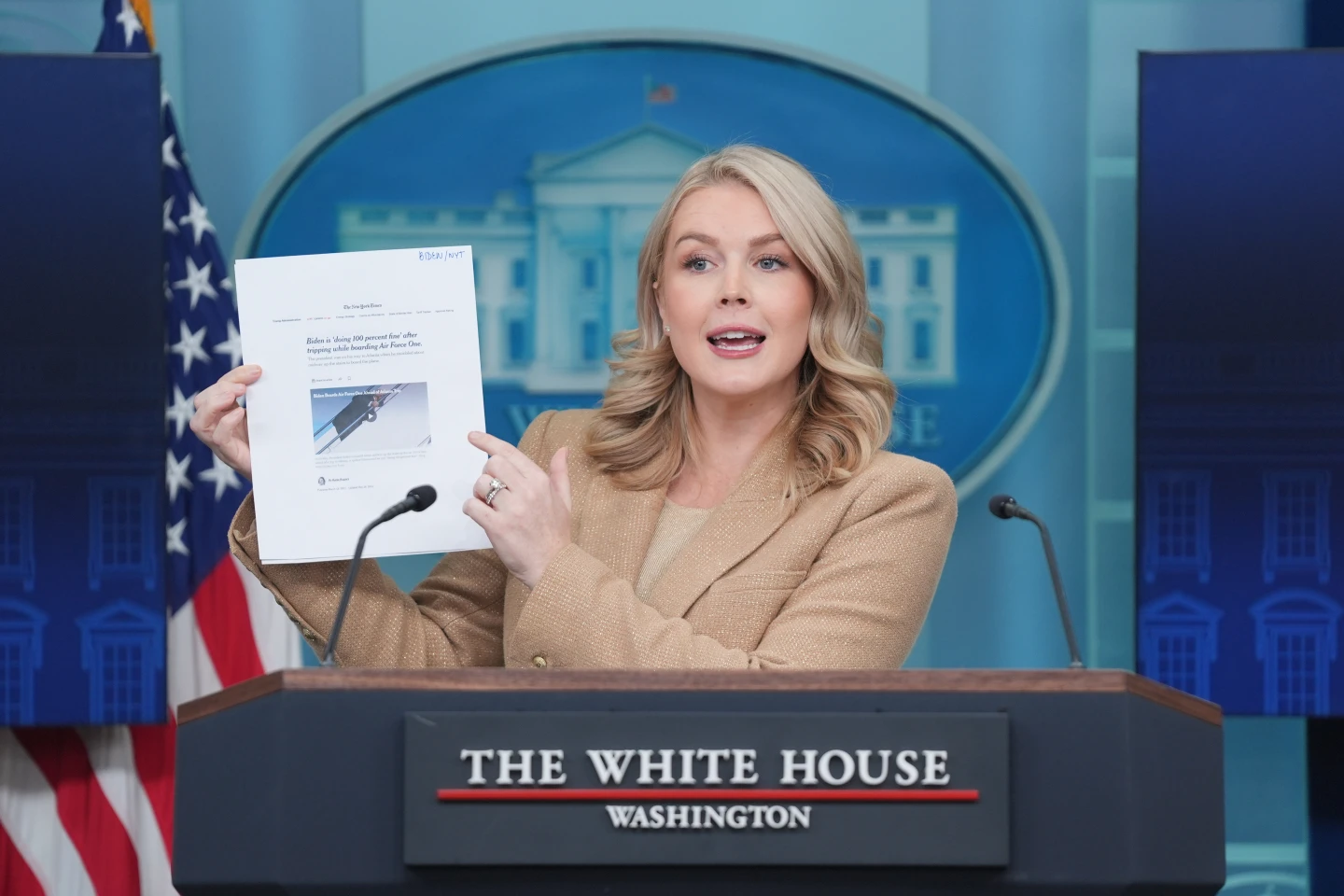
Although specifics of the talks remain scant, Trump emphasized the need for China to open up to American businesses, asserting that significant progress had been made through constructive engagement. Accompanying these sentiments, White House Press Secretary Karoline Leavitt affirmed that the US would not reduce tariffs without reciprocal actions from China.
Chinese state media indicated that China opted for dialogue after weighing global expectations and the impacts on its economy, especially as American tariffs have forced some exporters, like Sorbo Technology, to halt shipments due to lost market access.
Furthermore, recent economic data revealed that the US economy contracted by 0.3% in the first quarter, suggesting that the trade conflict is beginning to impose real consequences on American businesses. Complicating matters is Trump's extended range of tariffs, recently applying a universal tariff on all imports on what he dubbed "Liberation Day," targeting about 60 trading partners, including China and the EU.
As part of ongoing negotiations, an agreement was reached between the US and UK to reduce tariffs on car imports—representing a potential shift in trade dynamics as both nations seek to recalibrate their economic relationships.
Continued dialogue between US Treasury Secretary Scott Bessent and China's Vice-Premier He Lifeng may signal a path forward, yet both sides appear resolute in their positions as they navigate the complexities of a fraught trade landscape.