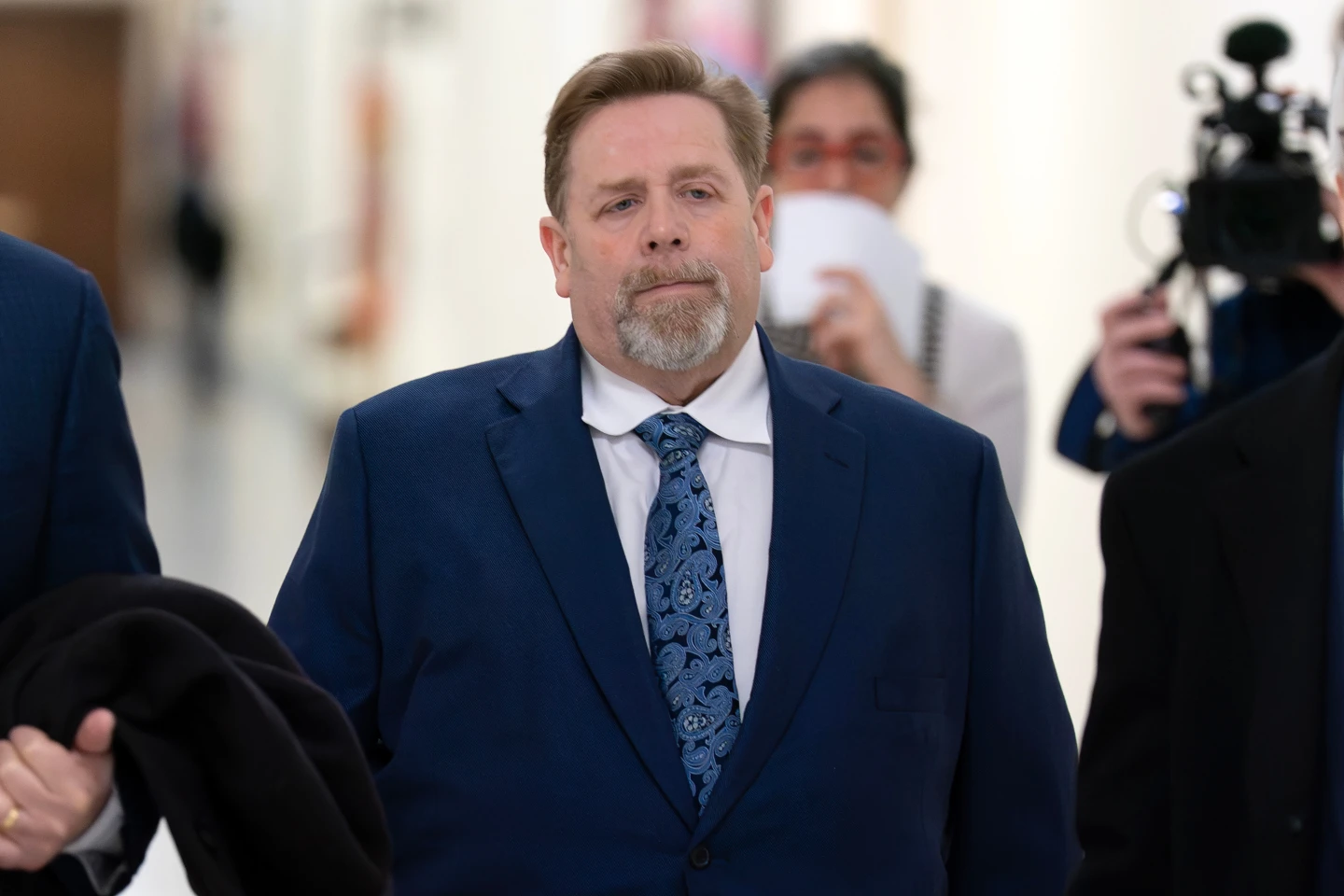
In a significant House Oversight Committee hearing, key testimony was provided by Darren Indyke, the long-time attorney of the late financier Jeffrey Epstein. Indyke stated under oath that he had no prior knowledge of Epstein's involvement in the sexual abuse and trafficking of underage girls, a claim echoed by other associates of the controversial figure.
In his emotional testimony, Indyke, who had represented Epstein for nearly two decades, insisted he would have ceased his professional relationship had he known of the illicit activities unfolding around him. The remarks come as part of an investigation scrutinizing Epstein’s former associates, including prominent figures like Richard Kahn and Les Wexner, who have also denied any knowledge of Epstein’s criminal conduct.
Democratic committee members expressed their frustration throughout Indyke’s deposition, particularly noting his defensive demeanor when pressed for further details about Epstein’s abuses. Representative James Comer, the chair of the committee, pointed out the reluctance of witnesses to provide meaningful answers, suggesting a continued evasiveness among interviewees.
Both Indyke and Kahn are executors of Epstein’s estate, and lawmakers expected that their testimonies would yield key insights into the alleged illegal actions perpetrated by Epstein, who died in 2019 while awaiting trial on sex trafficking charges.
Concerning Developments
As the hearing progressed, it became clear that the investigation faced hurdles in holding Epstein’s associates accountable. There were calls for further documents to be released from Epstein's estate, with some Democratic lawmakers reportedly pushing for evidence related to lawsuits from survivors of abuse, notably involving Ghislaine Maxwell.
Indyke communicated to lawmakers that he was anticipating instructions from the Republican-led committee regarding which documents to provide; however, concerns were raised about the redundancy of information already acquired from other sources.
Moreover, the committee detailed its focus on examining a previously uncorroborated accusation against former President Donald Trump brought up during the investigation without yielding substantial results pertaining to Trump’s involvement with Epstein.
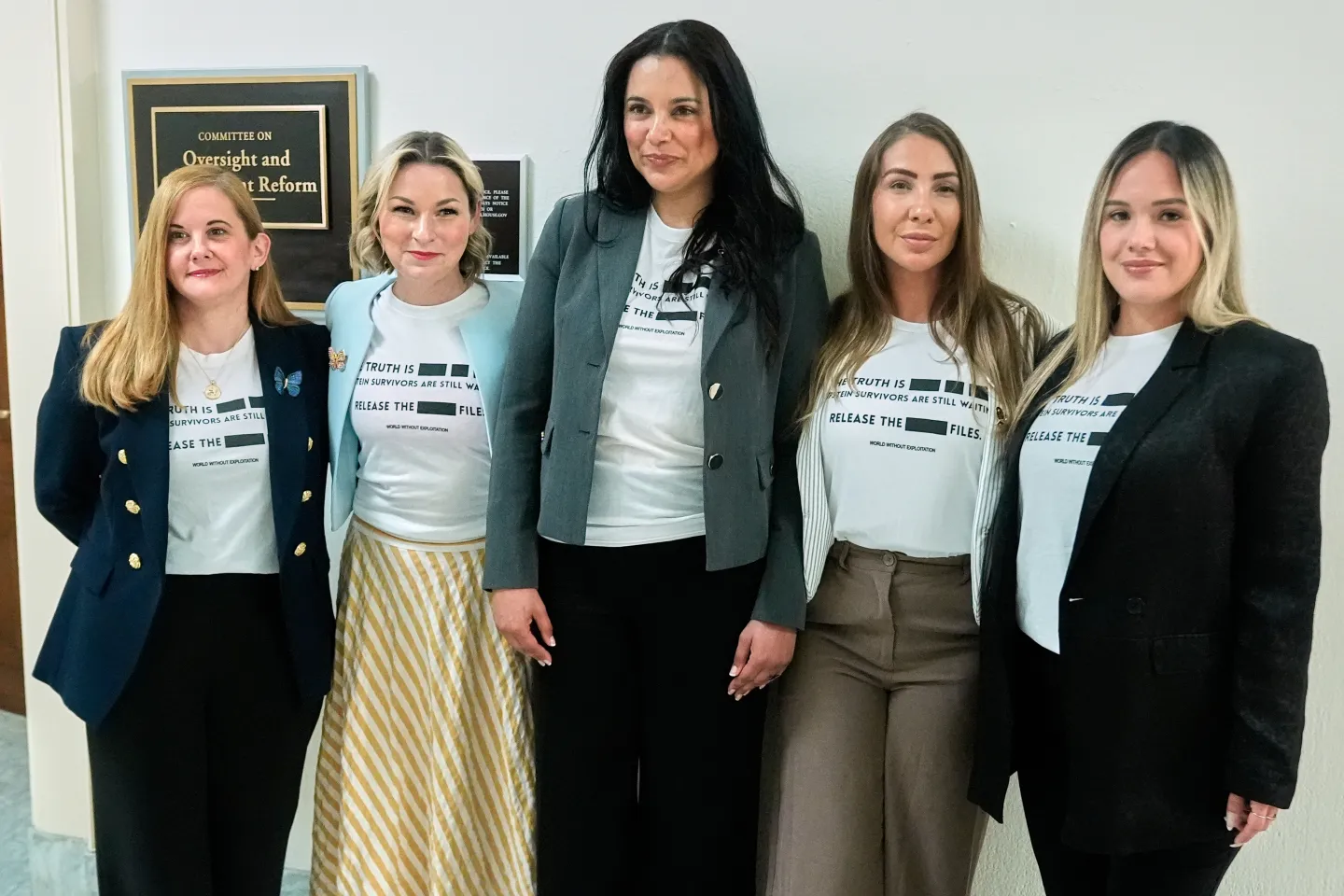
The investigation, which began with a notion of bipartisan cooperation, has devolved into a politically charged atmosphere with significant divisions between Democratic and Republican lawmakers. As both sides continue to clash over the testimony and document requests, Democrats signaled their intent to organize public hearings involving Epstein's survivors, irrespective of Republican participation.