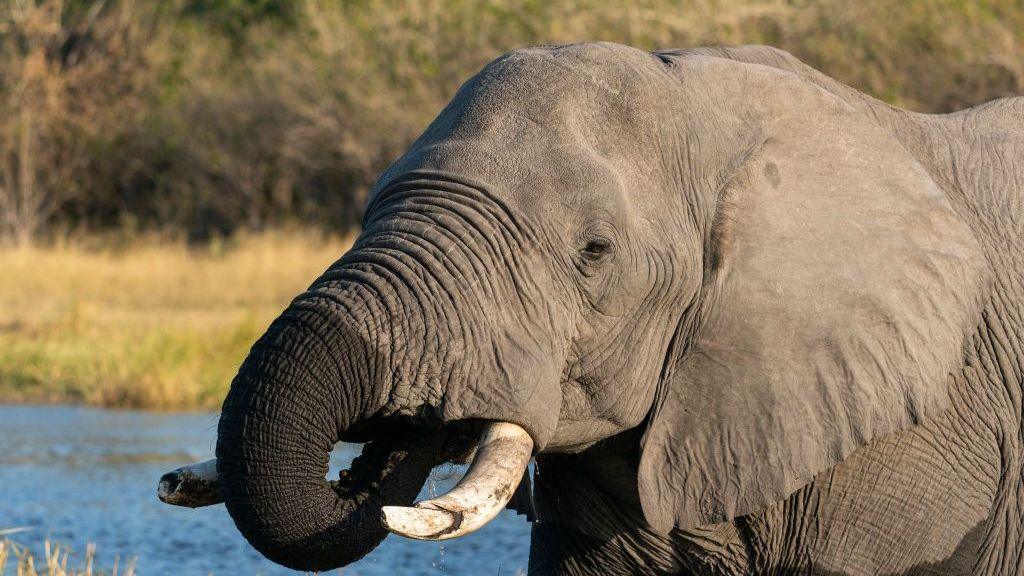
Botswana Faces Backlash Over Elephant Slaughter for Independence Day Celebrations
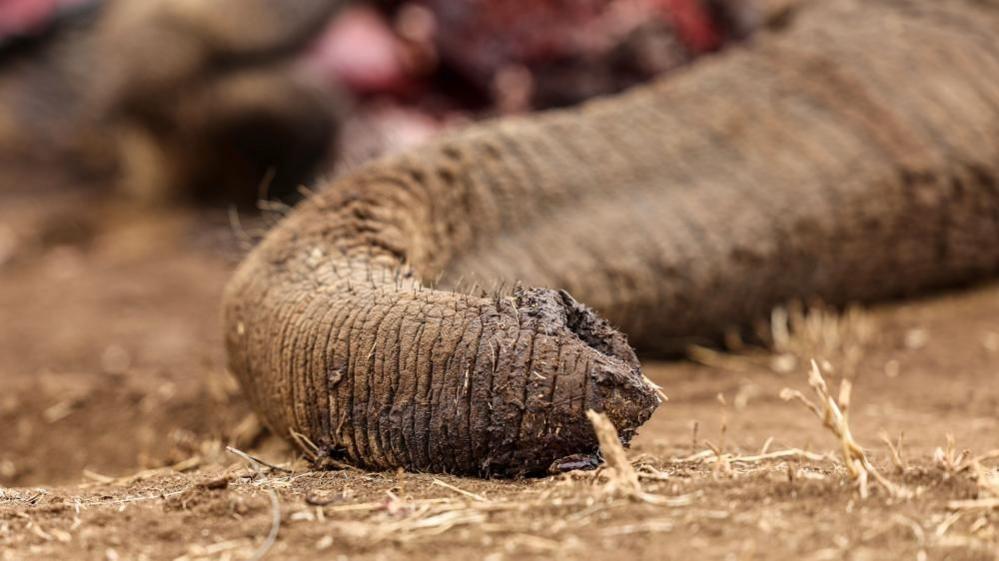
The southern African country has authorised the killing of 23 elephants to supply game meat for its 60th Independence Day festivities, a decision that has drawn strong condemnation from animal‑rights groups and spurred fresh debate over the nation’s hunting policy.

The Licence and the Controversy
A licence issued by the Ministry of Environment and Tourism and leaked to local media authorises the hunting of 23 elephants and other wild animals for "complimentary purposes" during the celebrations. The animals will be distributed across eight districts, but the exact timeline of the killings remains unclear.
Activists Warn of Dangerous Precedents
The Elephant Protection Society, led by chairman Oaitse Nawa, has criticised the government’s decision, arguing that slaughtering elephants for feasting can undermine conservation efforts and signal that it is ethically acceptable to kill these animals on the basis of state sanction.
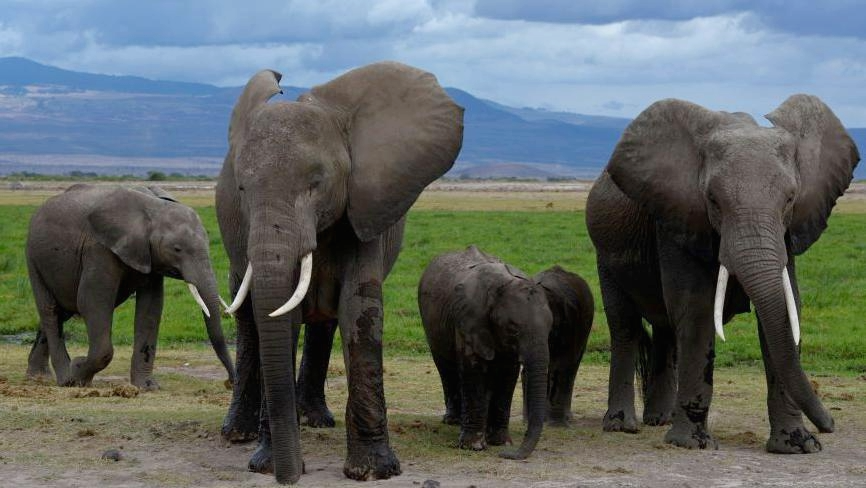
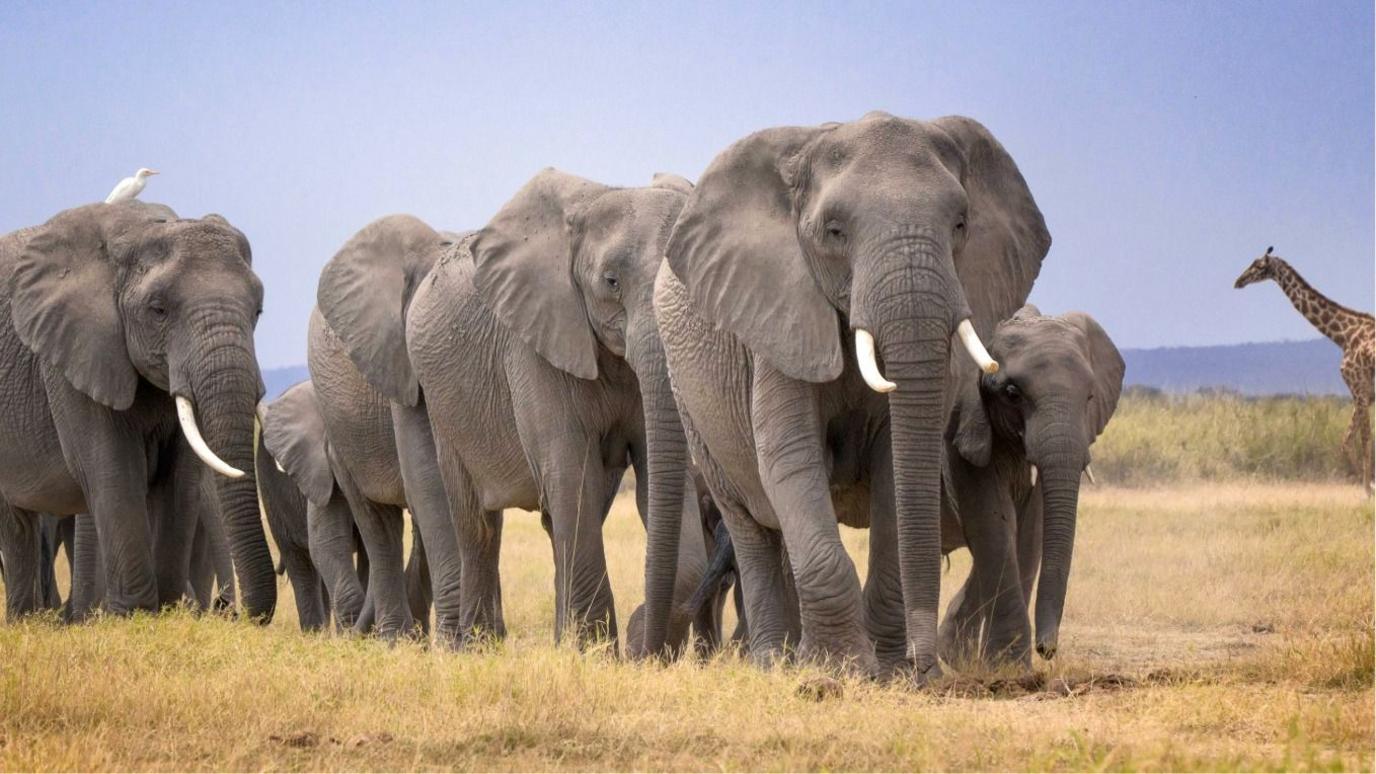
Nawa also warned that elephants’ social structures are disrupted by repeated gunfire, fueling anxiety over future population stability. “Elephants lose their social formations whenever they are constantly moved from one place to another by gunshots,” he said.
Health Concerns and Distribution Logics
Social media users voiced concerns about eating game meat amid an active foot-and-mouth disease outbreak, prompting authorities to impose containment measures. Local MP Simasiku Mapulanga criticised the haphazard distribution, suggesting that carcasses should be processed into portioned packages to uphold hygiene and fairness.
The Broader Debate on Elephant Management
Botswana’s large elephant population has long been a source of conflict, with communities reporting damage to crops and infrastructure. The government maintains that regulated hunting, carried out under licence, generates revenue for conservation projects and local development. In 2025, a special elephant quota reportedly raised 15.6 m pula (about $1.1 m) for projects in elephant‑rich areas.
Critics argue whether current hunting levels are sustainable, noting that public criticism often overlooks the burdens rural communities bear. Supporters claim the policy helps mitigate human‑wildlife conflict through targeted population control.
Looking Ahead
As Botswana celebrates its diamond jubilee, the elephant slaughter controversy has sharpened international scrutiny of wildlife management practices in the region. The government’s forthcoming statement on the matter will likely influence future policy decisions on how the nation balances cultural celebrations with conservation imperatives.