In brief
Bu and Tyapa were confined to cramped cages in Dagestan, Russia, where years of abuse left them malnourished and traumatized. After a multi‑country rescue operation involving over a hundred volunteers, the bears were transported via multiple routes to Wild Ireland in County Donegal. Since arrival, their health has improved dramatically—weight gain, better coat and restored kidney function—making the sanctuary a true rehabilitation haven. The journey highlights the complexities of cross‑border animal rescue amid geopolitical turbulence. Visitors to Wild Ireland are already captivated by the bears’ resilience and the sanctuary’s commitment to natural behaviour.
After years of being kept in cramped, under‑heated cages in the Republic of Dagestan, two brown bears, Bu and Tyapa, have finally found safety in an Irish sanctuary. Their five‑year rescue journey spanned multiple countries, faced geopolitical obstacles and involved more than one hundred volunteers, lawyers, vets and transport specialists.
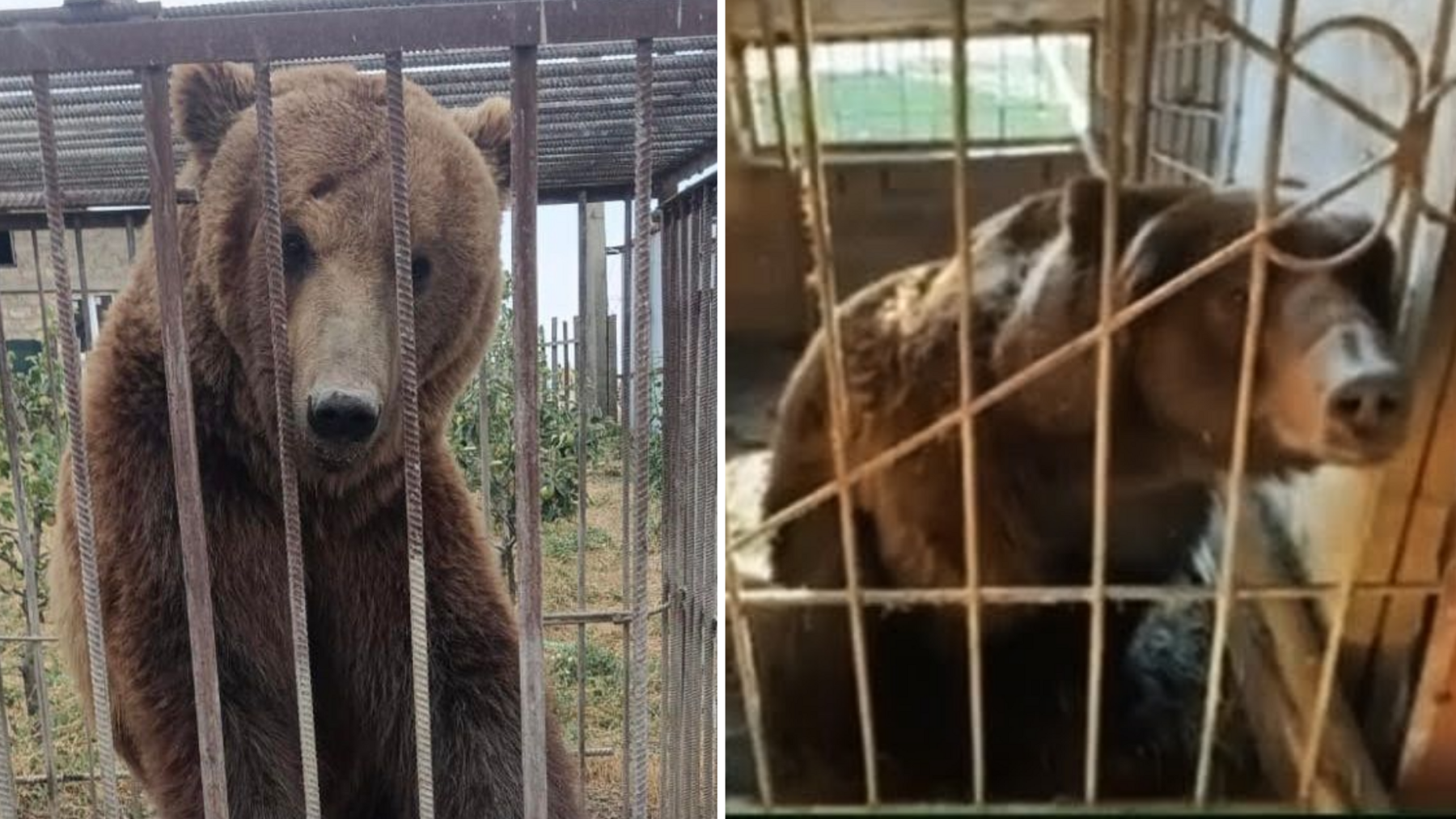
Bu had spent his life in a thin steel box that forced him to perform in a circus, while Tyapa barely fit into a 2.5 m x 2.5 m x 2 m enclosure with no roof, forcing him to drink from a hose and exposing him to harsh weather. The bears arrived malnourished, dehydrated and psychologically traumatized, with kidney damage evident in blood tests.
The rescue began in 2021 when Kayhan McLaughlin, founder of Wild Ireland in County Donegal, learned of the bears’ plight. In late October 2025, rescue team members Dima and Yana Kim drove 36 hours to Dagestan, sedated the bears, and transported them to a sanctuary near St Petersburg for initial veterinary care and quarantine.
Transport logistics were complex. Russia’s 2022 invasion of Ukraine closed the original flight path, requiring a detour through the Middle East. That route was again disrupted in February 2026 because of escalating conflict involving Iran, forcing the team to re‑plan the journey. Ultimately the bears were flown from Moscow via Abu Dhabi to Dublin, arriving on 3 August 2026.
Since settling into Wild Ireland’s 30‑ha woodland, Bu and Tyapa have shown remarkable recovery: they have gained weight, their coats are lush, and kidney function has returned to normal. The sanctuary provides woodland, water and a secure enclosure with shaded areas, allowing the bears to explore safely and retreat from visitors when needed.
"We’ve hidden food around the bear habitats to encourage natural foraging and have seen their confidence grow," said Chloe McElhatton, a zoo science graduate who now works at Wild Ireland. "Over time, we can see great changes, both physically and mentally, in both of them."
Visitors immediately react to the bears’ presence. French tourist Liam remarked, "Very big and very impressive. I saw chickens, wolves, monkeys and then the bears which were definitely my favourite." Northern Irish visitor Chris Roberts expressed hope, "It was fantastic to see them in the flesh. We absolutely loved it and are delighted to see them doing so well, especially considering their backstory and the awful conditions they were once kept in."
Wild Ireland’s experience underscores the importance of international cooperation in animal welfare and the capacity of dedicated sanctuary environments to rehabilitate animals that have suffered extreme abuse. Their journey from Russian cages to Irish sanctuary offers hope for many other endangered or mistreated species worldwide.