In brief
A public notice from the Irish Ministry of Justice criticised a Dublin Rape Crisis Centre ad that showed grandparents eagerly hugging a small boy in a public service message about consent. The campaign, titled "We-Consent", was pulled after critics argued that the imagery insulted older generations and failed to address the core message. Politicians from all sides – including Fianna Fáil’s Jim O’Callaghan and Fine‑Gael senator Gareth Scahill – voiced concerns over public funds being used for a poorly conceived ad. The DRCC has announced it will review the video series while its publishers remove them from social media.
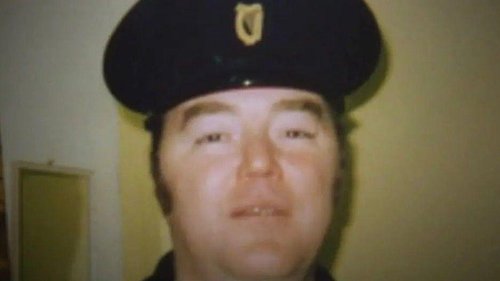
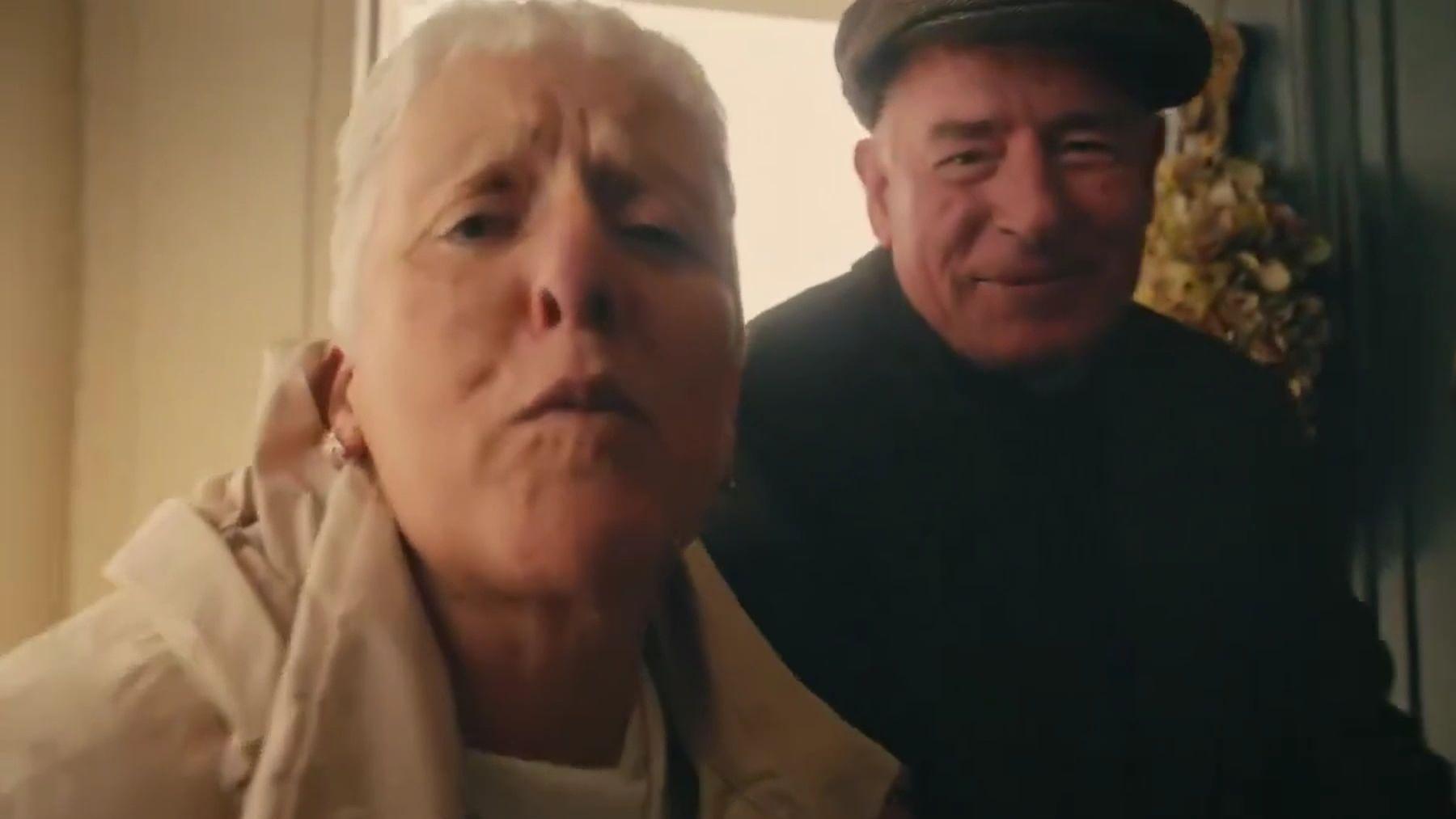
The Irish Minister for Justice has called the ad, produced by the Dublin Rape Crisis Centre (DRCC), “inappropriate and demeaning to grandparents,” and urged the campaign to be removed. The clip showed two grandparent figures enthusiastically hugging a small boy, only to reveal a granddaughter looking uneasy at the embrace—an image the minister said passed a disrespectful message to older people.
The messaging in the video acknowledged that “not everyone wants a hug, even from people they love.” While the intention behind the video was to highlight consent in personal interactions, critics argued that its delivery boiled down a complex concept into a form that many found alienating rather than instructional.
Following the backlash, the DRCC has confirmed that the video has been taken down from its social media channels, and that a review will be conducted to ensure future content better aligns with the intended message.
Fianna Fáil’s Jim O’Callaghan, whose department finances the campaign, noted that the video does not represent the Government’s views. He added that “the lesson about consent was not advanced; in many ways it was counter‑productive.”
Fine‑Gael Senator Gareth Scahill slammed the ad as a waste of public resources and questioned how publicly funded social media could be allowed to illustrate a scenario that he described as “myriad miles off the mark.”
The Department of Justice responded by clarifying that the We‑Consent programme was a DRCC initiative, using low‑cost, volunteer‑made videos, not a government advertising effort. They confirmed that the videos were being temporarily removed while a review process was underway.
Context and broader implications
Beyond the immediate criticism of the visuals, the incident highlights the importance of context, language and cultural sensitivity in public messaging. In the same way that environmental stewardship requires careful consideration of both ecological boundaries and human needs, public health campaigns must ensure that respectful communication is achieved without alienating key audiences.