In brief
When a dusky shark named Bukangi drifted into a narrow commercial canal in Busan, South Korea, the event quickly became a national sensation. Marine biologist Kim Hyun‑woo and rescue teams employed electrical deterrents, nets, and coordinated dives, but the shark repeatedly returned to the concrete waterway. The unexpected presence of the shark prompted locals to name her, launch petitions, and even protest her removal, turning the incident into a focal point for discussions on marine conservation and climate impacts. Scientists attribute Bukangi’s wayward journey to ocean warming that forces sharks toward unfamiliar habitats—highlighting the urgent need for urban planning that respects wildlife corridors and for citizen‑led stewardship of our seas.
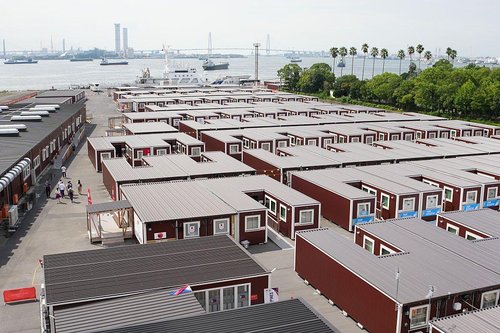
When a dusky shark—half a kilometre long, a fainter cousin to the great white—found itself trapped in a shallow concrete canal at Busan’s North Port, the city’s maritime‑industrial heart turned into a living laboratory of nature and civic engagement.
Marine biologist Kim Hyun‑woo was called the same afternoon he was en route home from a field trip following mackerel shoals. The coastguard’s request to “save a stranded shark” felt surreal, yet Kim’s expertise on shark behaviour quickly became central to any realistic rescue strategy.
Initial efforts relied on an electric deterrent that emits a weak electric current. Sharks generally avoid the field, but after five hours Kim’s team observed that Bukangi was both too large and too fast for the device to influence. The next plan drew on a historical example from Massachusetts, using in‑water jets, but the shark repeatedly circled back.
Meanwhile, the canal drew crowds—tourists and locals alike—both curious and concerned. Residents christened the animal Bukangi, a word combining "Buk‑hang" (the nearby harbour) with a casual affectionate suffix. Her name spurred a flurry of online merchandise, community memes, and even petitions demanding a new stadium, a playful nod to the way she had become the city’s unexpected mascot.
Protesters gathered under the canal’s arch to voice their belief that Bukangi deserved space to stay, while others urged a swift removal. The clash highlighted a broader moral question: can a species that slipped into a man‑made waterway be simply excised before it can resume its natural migration?
Scientists point the anomaly to rising ocean temperatures. South Korea’s maritime ministry estimates that an increase of 1°C can shift shark feeding grounds, pushing them further south. Data from 2026 already shows 50 large sharks recorded off the coast—four times the previous year’s tally—underscoring the tangible impacts of climate change.
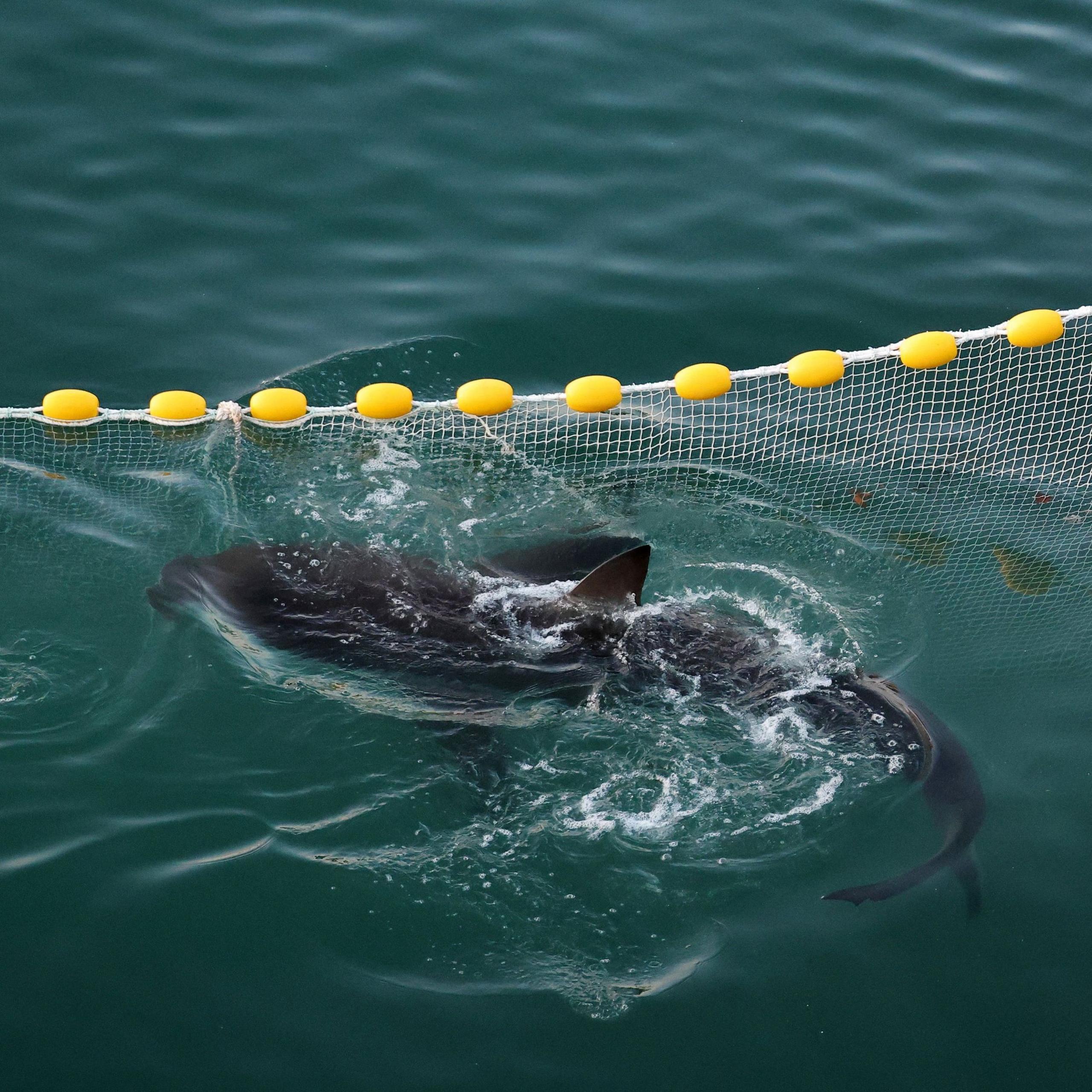
After a week of relentless attempts, a two‑layer net system finally guided Bukangi into the open sea. The operation required coordination between the fisheries institute, Busan Aquarium divers, and a veterinary standby. Yet even as the net was lowered, the shark swam back into the canal before the next day, illustrating the subtle resilience (and desperation) characteristic of marine predators misfit to urban landscapes.
The case of Bukangi reveals an urgent need for integrated urban-water management that honours ecological processes. Concrete canals made for shipping are not suitable for large pelagic species; until sea temperatures rise further, routes that allow safe re‑entry to marine habitats must be planned. It is also a call to support citizen science: community volunteers formed observation groups, while locals supplied data on the shark’s movements—an example of grassroots participation in environmental stewardship.
At present there have been no sighting reports of Bukangi in the last week, a quiet sign that she might have found suitable open‑water conditions. Still, experts warn it could still be months before a dusky shark fully recovers from the abrasions caused by the confined canal. In the coming years, South Korea’s ports may be required to redesign infrastructures, install wildlife corridors, and heighten public education to prevent repeat occurrences—turning an accidental escape into a blueprint for sustainable coexistence.