In brief
A massive landslide on the Nepal‑Tibet border has created a barrier lake that could rupture, sending waters downstream and endangering thousands. Local authorities, guided by recent flash flood data, have issued urgent warnings. This event underscores the escalating risk of glacial lake outbursts as warming accelerates glacial melt and destabilizes mountain slopes. Communities are urging rapid monitoring and emergency planning. The incident sparks dialogue on climate‑adaptation strategies for vulnerable high‑altitude regions.
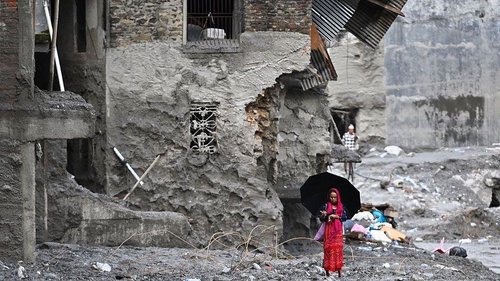
A huge landslide on the Nepal‑Tibet border in late August left a fresh barrier lake behind, raising an urgent fear that the newly formed lake might breach its banks and unleash a second deadly flood downstream. Scientists linked the flash flood that recently devastated the region to the collapse of a mountain glacier into the river system, and now, officials say, the absence of a natural outlet poses a high risk of catastrophic flooding.
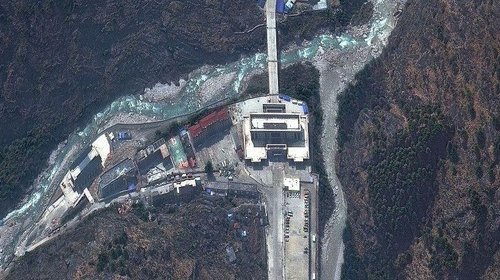
The warning comes from Chinese authorities, who are monitoring the lake’s rapid expansion and performing strength assessments on its dam. Locals and rescue teams fear that a sudden release could submerge settlements, villages, and critical transport routes that supply remote Himalayan communities.
Experts explain that such glacial lake outbursts are becoming more frequent as global temperatures rise. Meltwater pools behind less‑stable ice and sediment layers grow until the pressure exceeds the barrier’s capacity, leading to a sudden spill.
In response, scientists are advocating for a multi‑layered approach: remote sensing to track lake growth, on‑site engineering to reinforce weak sections, and community‑led emergency drills that include evacuation routes and early‑warning systems.
The potential flood illustrates how climate change can magnify natural disaster risks in fragile ecosystems. It encourages the implementation of climate‑adaptive infrastructure and regional cooperation between China and Nepal to protect hillside communities.
Source: BBC News