In brief
Hawaii is grappling with its worst flooding in two decades, affecting over 400 homes and prompting evacuations. As heavy rains lash Oahu, experts cite climate change as a driving factor behind increasingly severe weather patterns. Volunteers are mobilizing to assist with cleanup efforts, while concerns mount regarding old dams under pressure from rising waters.
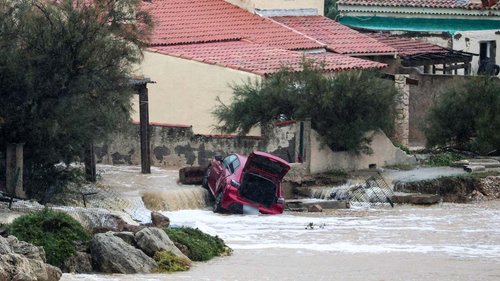
HONOLULU — Hawaii has experienced the worst flooding in two decades, as homes were swept off their foundations and cars floated down streets in the aftermath of unprecedented rainfall. The storm, being assessed by crews, has resulted in significant damage to hundreds of homes, schools, and hospitals across the islands.
As of Monday, no fatalities have been reported; however, over 230 people were rescued from rapidly rising waters. The heavy rains surged after the region was already saturated by previous adverse weather, leading to a declaration from Governor Josh Green about the possible financial impact of the devastation exceeding $1 billion.
Climate Change Fuels Disasters
The intense rainfall — measuring between 8 to 12 inches in places — is linked to climate change, with experts noting that the frequency and intensity of such weather events have only increased in recent years. These deluges primarily stem from winter storm systems known as “Kona lows,” which bring moisture-laden winds from the south.
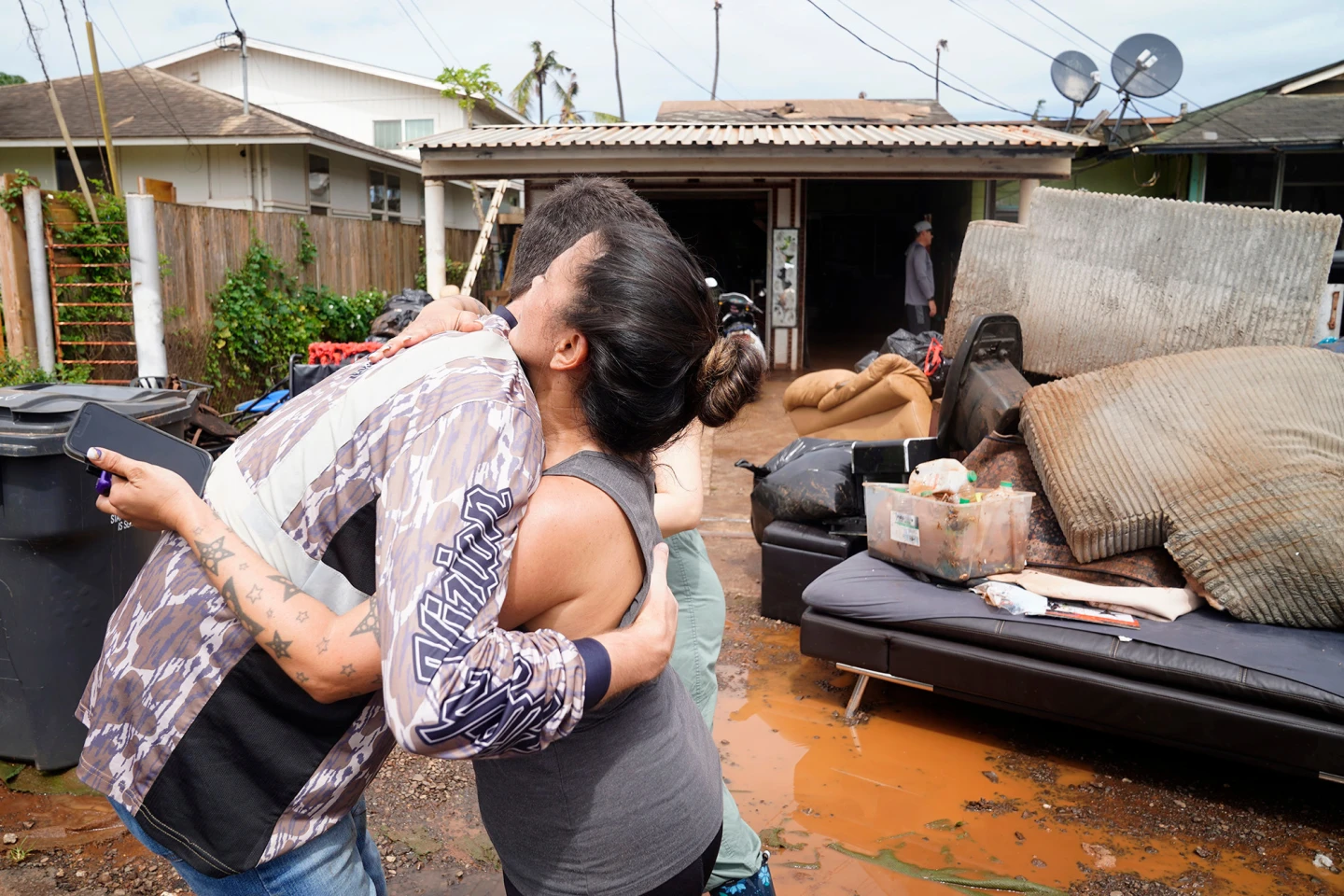
Community efforts have rapidly mobilized, with volunteers arriving from across the island and beyond to help with the cleanup, which involves navigating through thick, muddy silt with a high iron content, complicating cleanup efforts and raising health concerns.
Concerns Over Aging Infrastructure
As flood waters surged, fears grew regarding the 120-year-old Wahiawa dam, which faced risks of imminent failure. The dam, a key structure built to enhance agricultural production in the early 1900s, has long been flagged for safety deficiencies and has prompted warnings from state officials about potential catastrophic consequences if it fails.
How the Community Can Help
In light of the continuing recovery efforts, Governor Green has encouraged donations to local initiatives such as the Hawaii Community Foundation's Stronger Hawaii Fund, aimed at distributing resources to those impacted by the disaster. The Hawaiian Council has also launched the Kako’o Oahu initiative to support families with housing and financial assistance, reflecting the immediate need for assistance as communities across Hawaii begin to rebuild.
As recovery efforts unfold, resilience in the face of climate-induced disasters will be paramount, as Hawaii grapples with the urgent need for systemic changes to tackle the climate crisis.