In brief
On a summer Saturday, a grassfire ignited near Canadian Forces Base Wainwright in Alberta and, aided by unusually strong winds, swept into a high‑intensity training range. Four service members died and 39 were wounded, many critically, prompting a full emergency response. Military officials note that the event is under investigation, but no signs of terrorism have emerged. The incident underscores the urgent need for climate‑adapted fire prevention and resilient training protocols in increasingly dry, wind‑prone regions.
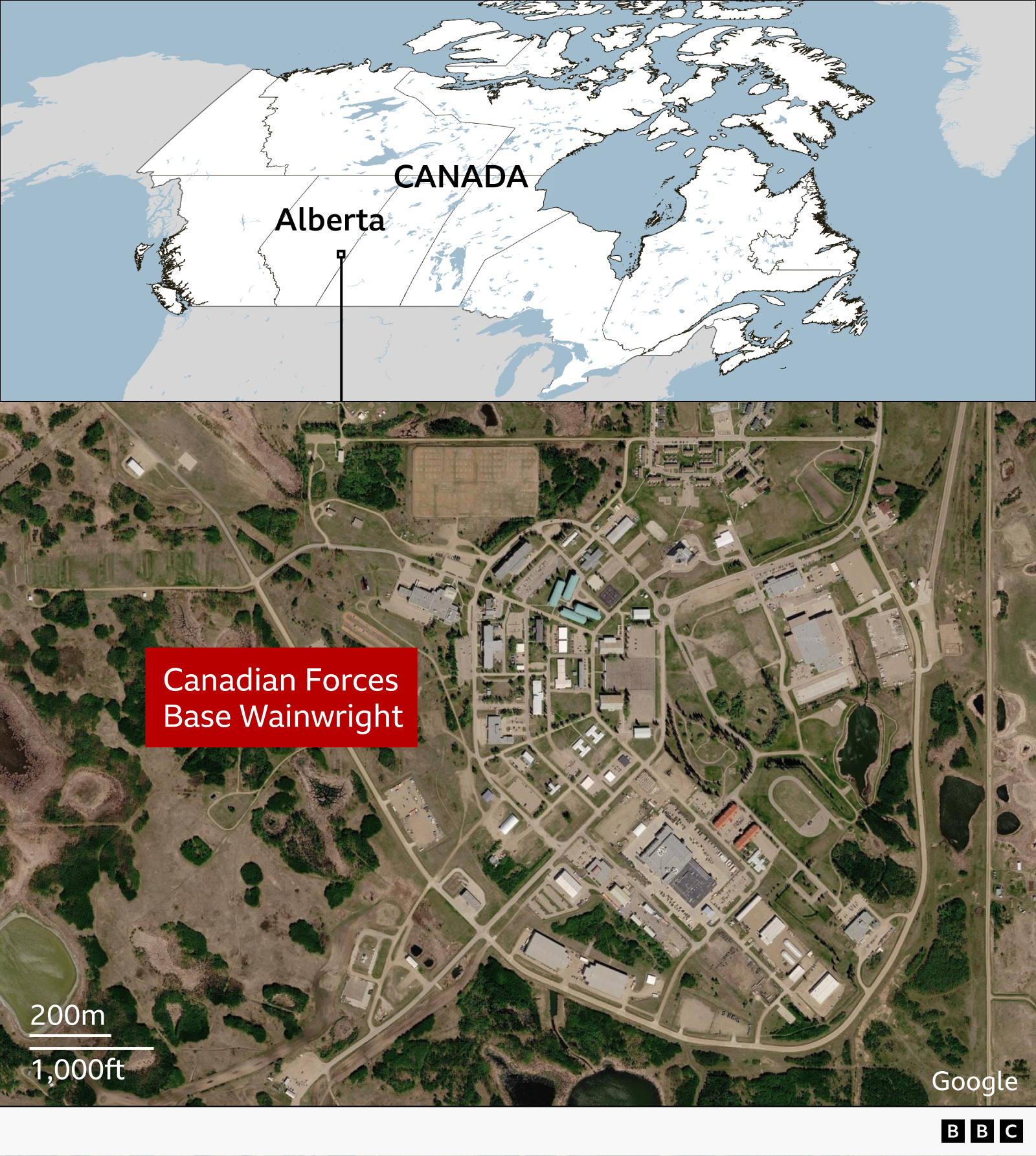
On a hot Saturday in late October, a grass fire erupted just outside Canadian Forces Base Wainwright, a major live‑fire training installation 210 km east of Edmonton. The blaze, fueled by dry vegetation, was propelled by wind gusts exceeding 30 km h‑1, a pattern increasingly common in Alberta as winter thaws usher in brighter, drier months.
As the flames crossed a mile‑wide strip of grass, they struck the base’s grenade and attack ranges where troops were conducting high‑intensity live‑fire drills. Four soldiers—Sgt. Morgan Wong, Pvt. Shaun Farrell, Pvt. Aidan Goulding and Pvt. Hayden Lykkemark—were killed, and 39 others sustained injuries, 19 of them in critical condition. The rapid spread caught fire crews and military medics off‑guard, forcing a chaotic “all hands on deck” response that spilled into hospital corridors and emergency services transports.
Firefighters and base commanders are still canvassing the cause, yet the details point to a single ignition point a kilometre from the training area. Military officials confirm no indications of sabotage or terrorism, but the event underscores a heightened risk profile for training sites located on dry, wind‑prone grasslands—a risk that climate science predicts will grow as the region warms.
The province deployed 30 ground ambulances, six fixed‑wing aircraft and two rotary‑wing units from Edmonton, Saskatoon and Calgary to shuttle wounded soldiers to tertiary care. Emergency health staff described the scene as “like a war movie,” noting that the sheer volume of patients surged critical care demand across Alberta. The Royal Alexandra Hospital, a hub for the province’s specialist services, went into a code orange status to triage the influx of casualties.
Military briefings emphasised that the base’s training schedule included live ordnance—grenade launchers, small‑arms ammunition and live munitions—within the same area. Such concurrent activity, combined with the erratic fire behaviour, magnified the tragedy’s impact. Defence officials plan an overhaul of fire‑fighting protocols, including the integration of real‑time wind monitoring and adaptive safety buffers between training zones and potential ignition sources.
Climate change scientists note that the frequency of extreme wind events in western Canada has risen by over 40 % in the last two decades, while moisture deficits in mid‑latitude grasslands have led to drier fuel loads. The Wainwright fire serves as a stark illustration of how non‑weather‑related operations—military drills, industrial sites or large agricultural complexes—can become tinderboxes as the climate system shifts.
Looking ahead, the incident invites a broader conversation about climate‑resilient infrastructure. From fire‑proofed building materials to diversified training schedules that shift high‑risk activities to cooler times of the day, the military’s response can provide a template for other sectors. As Alberta and beyond continue to grapple with increased wildfire activity, adaptive planning and community engagement will be key to safeguarding life, training assets and the environment alike.