In brief
In late October, mass demonstrations in France culminated in a destructive fire that gutted Limoges' historic town hall. Security forces arrested a 34‑year‑old suspect listed on France's national security watchlist. Authorities imposed curfews across major cities to restore order, while the incident highlighted the vulnerability of cultural heritage buildings to fire—an issue compounded by climate change. The unrest underscores the need for resilient, sustainable urban management that balances security, public protest, and heritage preservation.
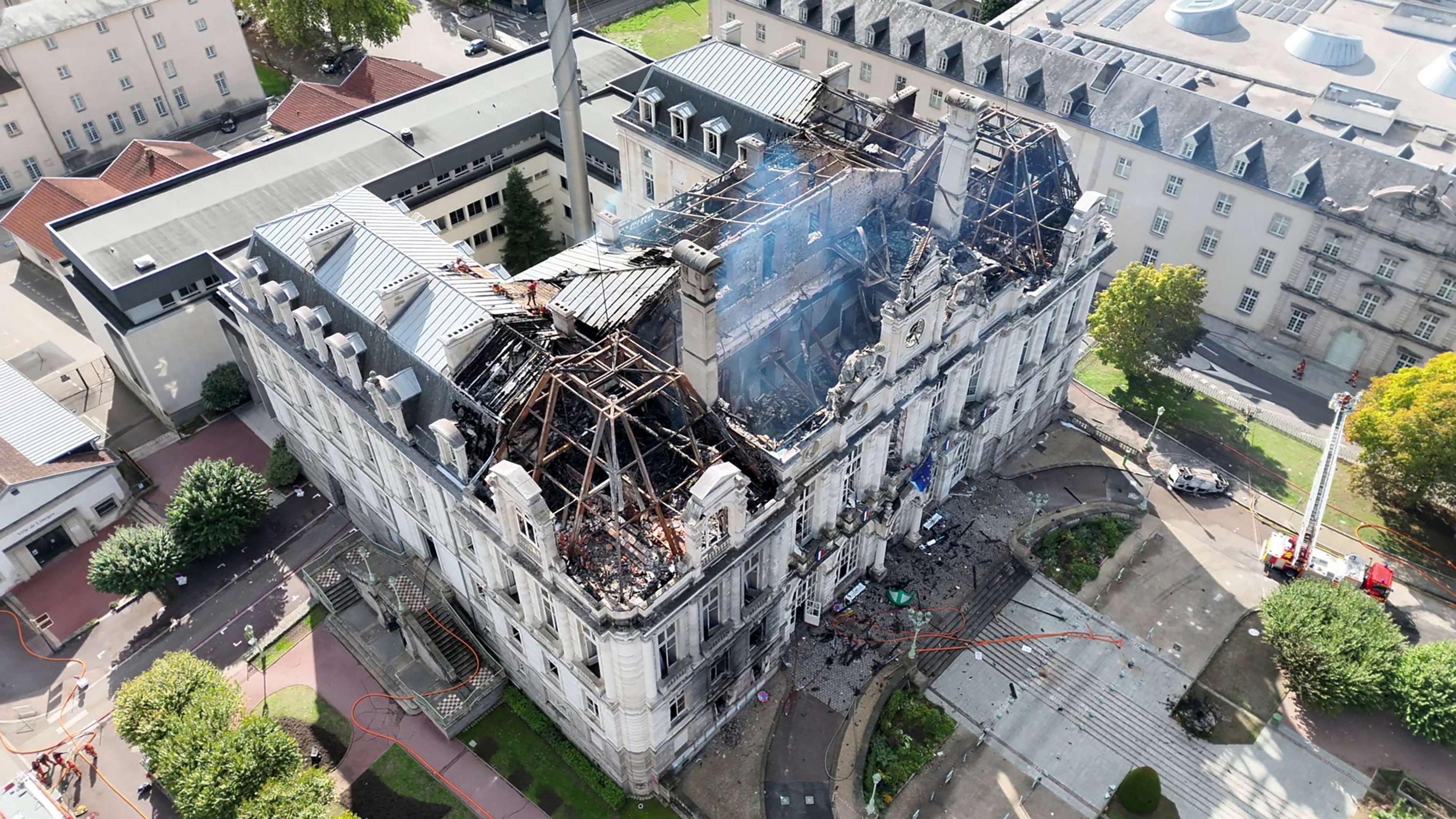
A suspect linked to a far‑left movement was arrested in France after a 19th‑century town hall in Limoges was gutted by a blaze that erupted amid weekend‑long civil unrest.
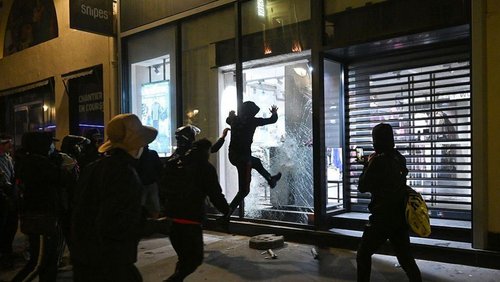
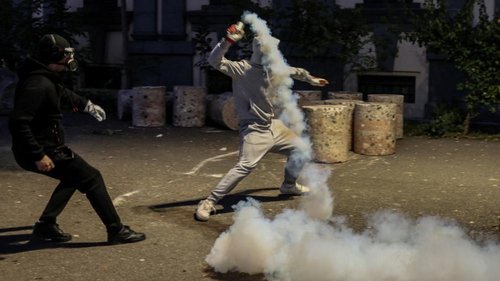
The fire, which consumed the clock tower and roof of the ornate building, collapsed on Saturday night, adding to the widespread damage caused by looting and clashes across the country.
The 34‑year‑old suspect, known to police for prior violent acts against public officials, is listed on France’s national security “S” watchlist, authorities said.
In the wake of the violence, Prime Minister Sébastien Lecornu announced curfews in Marseille, Paris, Lyon, Bordeaux, Nice and other cities, while the Justice Minister urged a firm response to protect civil servants and public buildings.
Months of protests began over students demanding improved school conditions but soon expanded to cover rising fuel prices and deteriorating public services, with thousands chanting on the streets.
The destruction of the historic town hall raises new questions for heritage preservation: many culturally significant buildings are vulnerable to fire, a risk that climate change is expected to amplify through increased temperature extremes and changing weather patterns.
Experts argue that resilient, climate‑adapted conservation strategies are essential to safeguard heritage assets and the communities that depend on them. This includes installing fire‑resistant materials, improving early‑warning systems and integrating heritage sites into broader urban sustainability plans.
Civil unrest, while a legitimate civic expression, challenges policymakers to balance public safety with the directives of the Paris Convention on the Protection and Promotion of the Heritage of Humanity, a treaty that obliges France to preserve its cultural patrimony.
Moving forward, the French government and citizen science groups are urged to collaborate on developing a national framework that couples security measures, community engagement, and climate‑friendly heritage management, ensuring that historic sites remain safe, resilient and inclusive for future generations.