In brief
Police in Pakistan have arrested Faheem Akram, the mastermind behind LabelsBank.com, which sold counterfeit US postage stamps online, costing the USPS $126 million. The scheme involved over five million pseudo‑labels sold at a flat $2 rate, disregarding weight, size and destination, leading to massive revenue loss and encouraging excessive, low‑cost shipping. These illegal operations not only mislead consumers but also inflate packaging waste, complicating the USPS’s sustainability goals. Authorities seized the website and offered a $100,000 reward for information, showcasing international cooperation to curb digital fraud and its environmental toll.
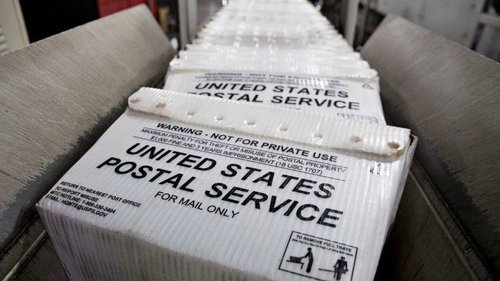
Pakistan’s cybercrime agency has arrested a man accused of running a counterfeit operation that caused $126 million in losses to the US Postal Service.
Faheem Akram, a 33‑year‑old from Khanewal, operated the fraudulently run website LabelsBank.com since 2023. The site offered counterfeit US postage stamps and shipping labels at a flat $2 rate, regardless of the package’s weight, size or destination.
According to US prosecutors, the scheme resulted in more than 5.1 million fake labels sold to over 5,200 customers, wiping out legitimate revenue streams and encouraging customers to ship more frequently at reduced cost.
While the financial damage is clear, the environmental impact is equally concerning. Cheap, counterfeit shipping fuels higher parcel volumes, leading to increased use of packing materials, more plastic waste, and greater carbon emissions from additional delivery routes. The USPS, which has pledged to cut waste and improve sustainability, now faces a backlog of unsustainable shipping practices that undermine its green agenda.
The crackdown also highlighted a cross‑border partnership. The US Postal Inspection Service had offered a reward of up to $100,000 for information leading to the arrest, and federal prosecutors charged Akram with conspiracy to defraud the United States, counterfeiting postage, and wire fraud. Conviction could bring up to five years in prison on fraud counts and twenty years on each wire‑fraud charge.
The market has quieted after the website’s shutdown, but the case serves as a reminder that digital fraud can have ripple effects that extend beyond the balance sheet, threatening sustainable shipping infrastructures worldwide.