In brief
FIFA’s president Gianni Infantino has faced scrutiny after the cancellation of a proposed private‑investment deal for FIFA’s competitions. Yet many African federations—especially those in Morocco, Egypt, DR Congo, Nigeria and others—remain supportive, citing the benefits of the Forward programme for infrastructure, youth and women’s football. Their backing reflects a pragmatic view: the income and development funding provided by FIFA is vital for football – and by extension, sport‑driven community resilience – in resource‑constrained nations. The debate illustrates how global governance choices can shape the sustainability of local sports ecosystems.
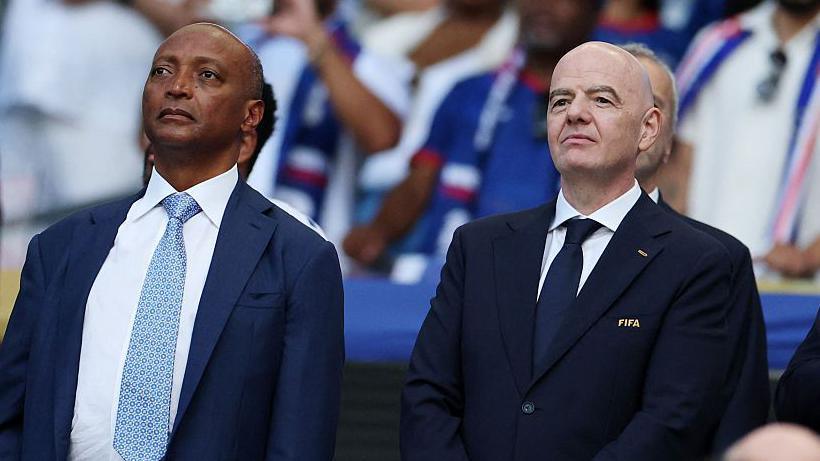
The cancellation of a controversial private‑investment package for FIFA’s global competitions has left the president Gianni Infantino facing intense scrutiny. Yet many African football federations continue to support him, arguing that FIFA’s Forward programme remains a lifeline for infrastructure and development projects across the continent.
Morocco: loyalty in a hub of FIFA activity
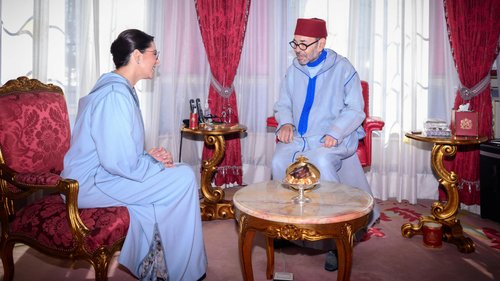
With Rabat hosting FIFA’s Africa regional office and serving as a co‑host for the 2030 World Cup, Morocco’s president Fouzi Lekjaa publicly reaffirmed his support for Infantino after the club‑world‑cup‑style Forward Enterprise proposal was withdrawn.
Egypt: the power base of Africa‑FIFA ties
Egypt’s FC headquarters and long‑time member of the FIFA Council give it a close relationship to Infantino. The country has benefited from consistent investment in youth, coaching and women’s programmes, leveraging FIFA funding to jump‑start local sport infrastructure.
DR Congo: defence of a decade’s legacy
The Congolese federation states that the collapse of the Forward Enterprise proposal should not eclipse Infantino’s longer‑term record of promoting football worldwide. The federation has received substantial grant funding for development and infrastructure under the Forward programme.
Nigeria: the fight for development and economic resilience
Nigeria’s football federation is facing chronic funding constraints; Infantino’s funding plans, even a limited one, are seen as vital to building training facilities and boosting national team readiness. The current technical centre redevelopment in Abuja is a flagship example of this.
Other African voices
Various African officials—from South Africa’s sports minister to the leaders of Malawi, Uganda, Gambia and Sierra Leone—have weighed in. While many echo Infantino’s goodwill, some caution against over‑commercialisation and call for clearer governance and sustainability frameworks in the sport’s future.
This article captures the perspectives of African football bodies rooted in a context where sport can play a vital role in community resilience, sustainable infrastructure and youth empowerment.