In brief
Fatima Zahra El Mansouri becomes Morocco’s pioneering female head of government amid entrenched religious and political scepticism. The solo royal appointment sparks both admiration and backlash, revealing how much Morocco’s monarchy influences gender narratives. While the move signals progress, critics say the king‑backed woman‑in‑power tokenises modernity without toughening reforms on inheritance, polygamy and family law. Young women, particularly in rural areas, see her as a rare symbol; still, her background and the state’s selective feminist rhetoric leave many doubtful on actual policy change.
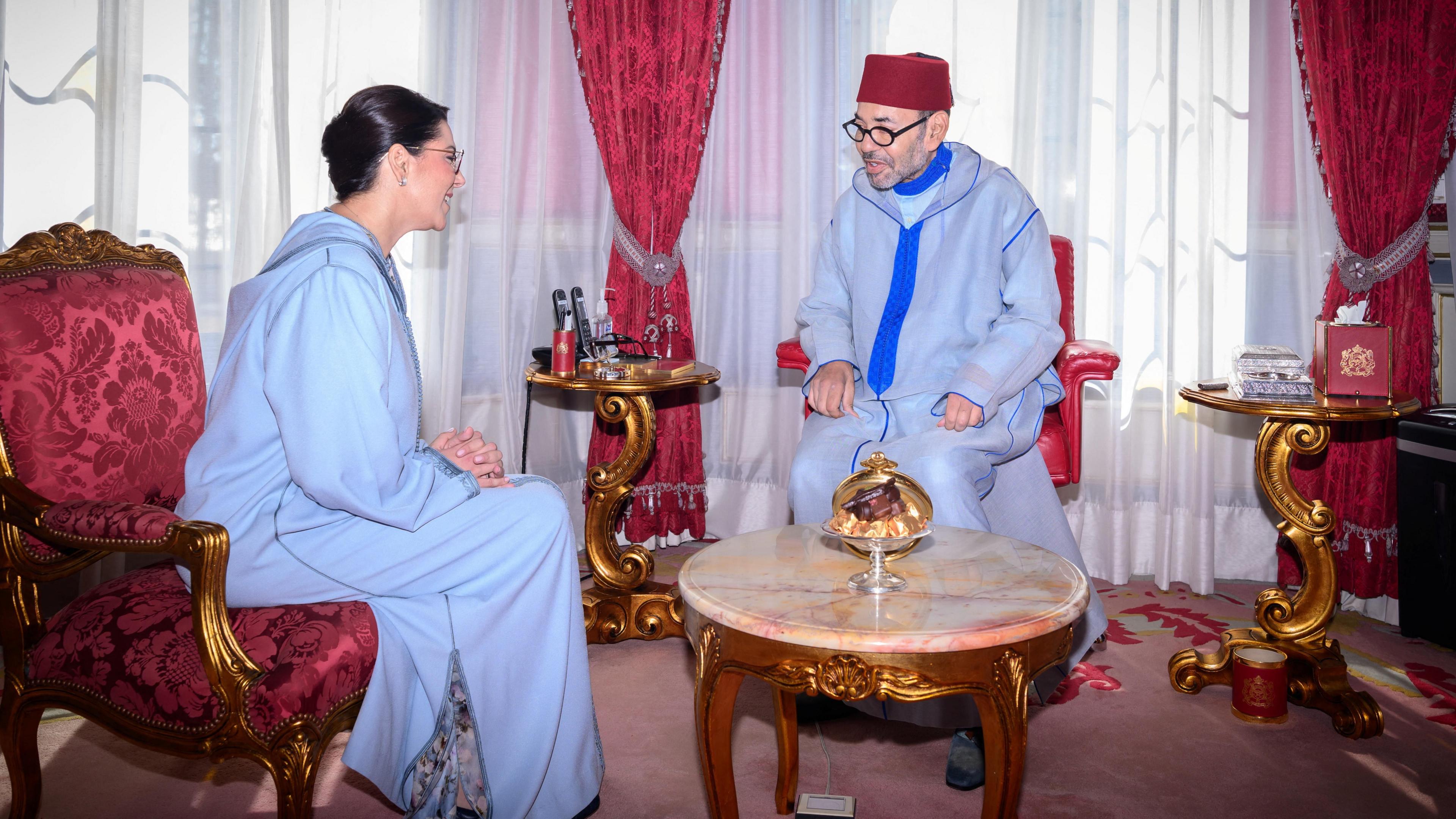
Fatima Zahra El Mansouri, 50, has become the first woman to hold Morocco’s highest governmental post, a milestone that unfolded against a backdrop of religious scepticism, royal authority and enduring gender norms.
Royal power and constitutional limits
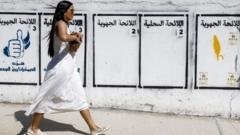
Morocco is a constitutional monarchy, yet executive authority rests largely with King Mohammed VI. That the king appointed El Mansouri illustrates the monarchy’s continuing influence over state direction, while also hinting at a desire to project modernity in a country where turnout in the September parliamentary elections dropped to 38%.
Long‑standing grudges in gender debate
The Islamic saying that a nation will fail if it entrusts leadership to a woman resurfaced after the appointment, igniting criticism from former justice minister Mustafa Ramid and conservative clerics. Media coverage ranged from mocking satire to probing the reality of women’s rights in a nation where inheritance, marriage, divorce and polygamy are still heavily governed by religious doctrine.
Reforming Moudawana, the family code
Key reforms to the 1957 Family Code (Moudawana) would restore equal inheritance for daughters, end the parasitic stump rule and force inclusion of women’s veto on a husband’s second marriage. However, the Higher Council of Ulemas has frequently opposed such moves, citing Islamic jurisprudence, and the legal changes announced in 2024 are still pending.
Education gap and menstrual health
Girls in rural Morocco attend school far less often than their urban counterparts, with poverty, early marriage and inaccessible transport barriers. Many report lack of menstrual products as a key reason for dropping out, a problem demanding policy attention that Elena Mansouri may choose—or not—to address.
An appointment amid ambiguity
Though El Mansouri’s background – a former mayor, minister and parliamentary member – helped her navigate the corridors of power, her party’s modernist platform has yet to translate into concrete reforms. Young Moroccan women feel optimism, but many say a woman in office is not a guarantee of feminist progress; actual changes in law and practice will decide the real impact.
© 2026 BBC News Africa. All rights reserved.