In brief
The recent turmoil in Syria underscores the challenges of unifying a nation deeply divided by sectarian lines in the wake of civil conflict.
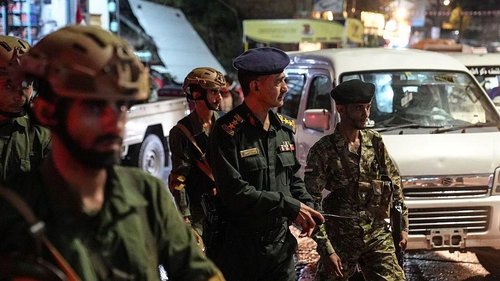
The rebels who dethroned Syrian dictator Bashar al-Assad in December are under increasing pressure as the aftermath of civil war brings challenges of unification amid fears of sectarian violence. The new government, predominantly representing the Sunni Arab majority, is struggling to assure the nation’s minorities—such as the Druse, Alawites, and Kurds—of their safety against extremist factions that have persisted despite the regime change. Recent assaults carried out by Islamist fighters around the capital, Damascus, have resulted in numerous casualties among the Druse minority, prompting Israeli airstrikes in a show of support. This dire situation has roots in the devastating losses suffered by Alawite communities earlier this year at the hands of extremist coalitions, reportedly containing individuals from the very ranks of the rebels who initiated the regime change.While the new authorities have pledged to integrate various rebel factions under a singular national army, extremist groups largely remain outside of governmental control, perpetuating a cycle of violence. In response to the instability, several minority groups, including the Druse and Kurds, have maintained armed militias throughout the 14-year civil upheaval, showing no signs of disbanding. Even Alawites, some formerly aligned with the Assad regime, are resistant, taking up arms against the new governance.This precarious environment sheds light on Syria's multifaceted minority communities and the urgent need for a cohesive approach to address their security and integration into a war-torn society still grappling with its troubled legacy.