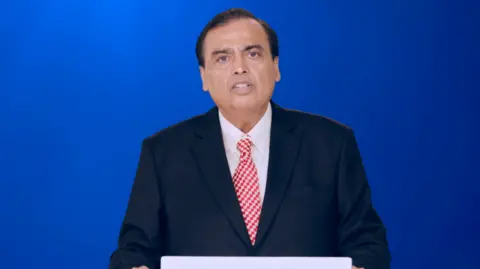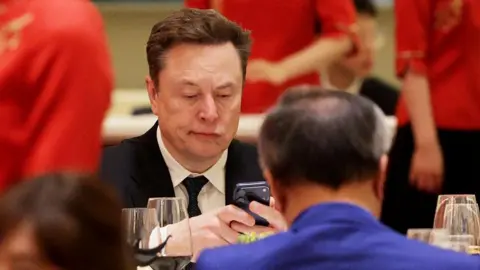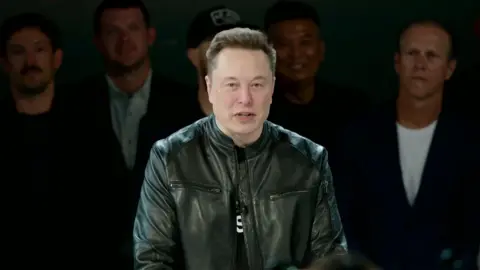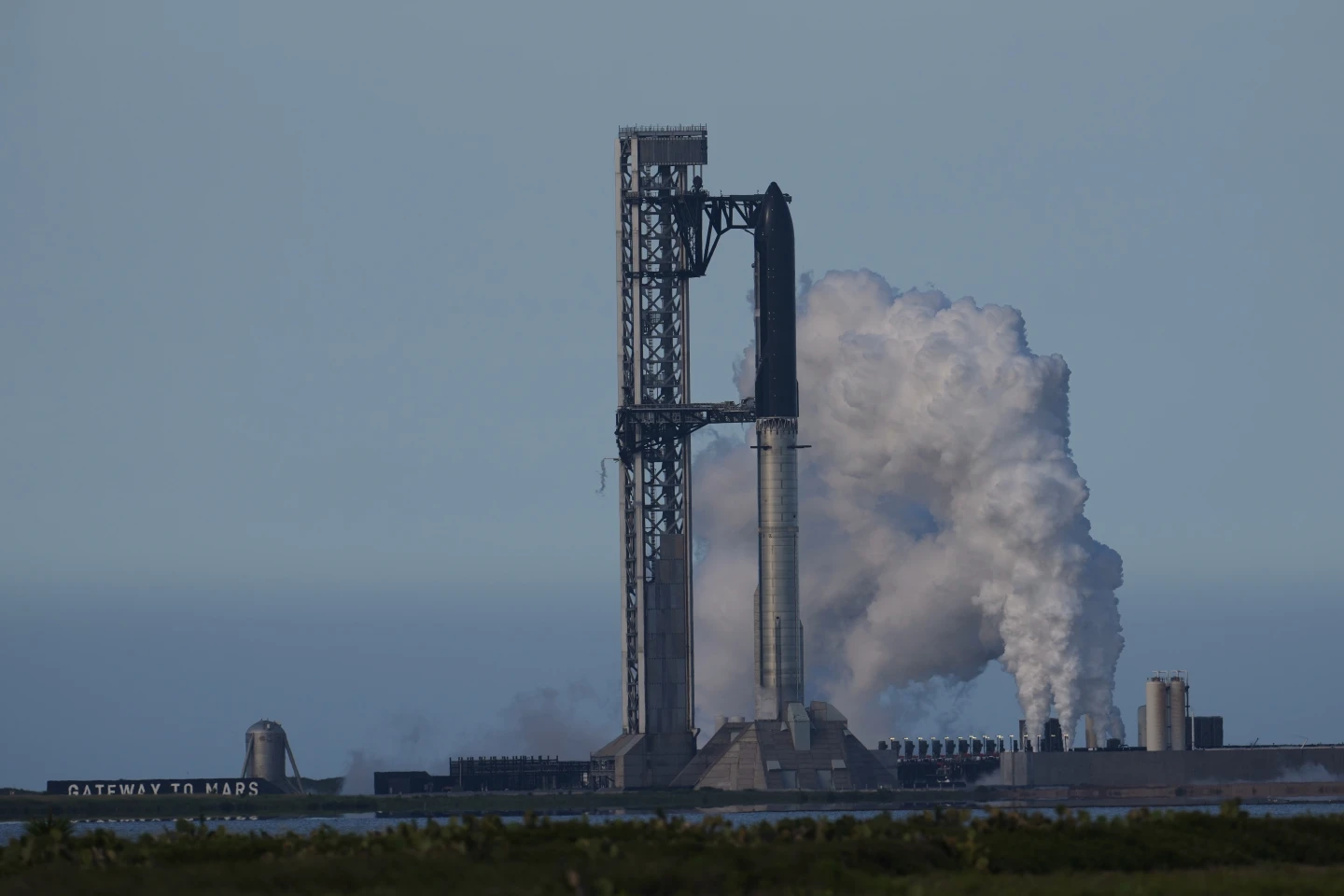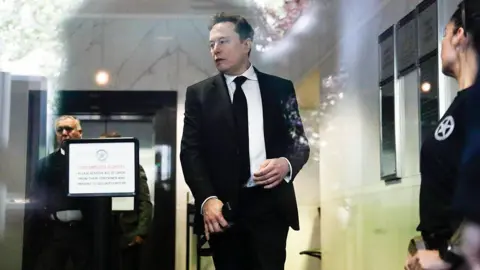
India's telecommunications regulator has yet to establish pricing for the spectrum, but estimates suggest subscribers to satellite internet may reach two million by 2025, creating a fertile ground for market competition. Musk’s Starlink, with its impressive fleet of 6,419 satellites and four million global subscribers, aims to establish a presence in India after facing regulatory obstacles since its 2021 launch intentions. Meanwhile, Ambani's Reliance Jio, having invested heavily in traditional telecommunications through airwave auctions, plans to leverage its partnership with satellite operator SES Astra, which operates medium-Earth orbit satellites that provide a more cost-effective solution than Starlink's low-Earth orbit model.
The stakes are high, particularly since nearly 40% of India's 1.4 billion population remains offline. The implications for economic growth and digital advancement are significant as competition among various key players—approximately six, with Jio at the forefront—begins to take shape. While some industry experts view the administration of spectrum allocation as an opportunity for Starlink, Ambani’s camp insists that auctions are essential to ensure fair competition amid a landscape blurred by new satellite technologies.
As potential pricing for satellite internet services becomes a focal point, analysts predict a challenging environment for Starlink, particularly due to significantly higher costs compared to traditional providers. This contentious atmosphere underscores the dynamic shifts within India's digital landscape, where Musk's deep pockets might lead to a price war that pressures local providers, fearing a shift in market dominance. The future of broadband internet in India hinges on the outcome of this duel of titans, posing challenges and inspiring hopes for a connected nation.
This fierce competition not only demonstrates the transformative potential of satellite technology but also highlights the importance of equitable access to the internet—an essential tool in today's digital economy. The outcome of this high-stakes battle will have lasting implications for how millions of Indians access and engage with the digital world.
The stakes are high, particularly since nearly 40% of India's 1.4 billion population remains offline. The implications for economic growth and digital advancement are significant as competition among various key players—approximately six, with Jio at the forefront—begins to take shape. While some industry experts view the administration of spectrum allocation as an opportunity for Starlink, Ambani’s camp insists that auctions are essential to ensure fair competition amid a landscape blurred by new satellite technologies.
As potential pricing for satellite internet services becomes a focal point, analysts predict a challenging environment for Starlink, particularly due to significantly higher costs compared to traditional providers. This contentious atmosphere underscores the dynamic shifts within India's digital landscape, where Musk's deep pockets might lead to a price war that pressures local providers, fearing a shift in market dominance. The future of broadband internet in India hinges on the outcome of this duel of titans, posing challenges and inspiring hopes for a connected nation.
This fierce competition not only demonstrates the transformative potential of satellite technology but also highlights the importance of equitable access to the internet—an essential tool in today's digital economy. The outcome of this high-stakes battle will have lasting implications for how millions of Indians access and engage with the digital world.