In brief
Despite Serbia’s booming economy, President Aleksandar Vucic faces his greatest political challenge in years as protests escalate. Students lead the charge against his administration, voicing frustrations over corruption and high living costs.
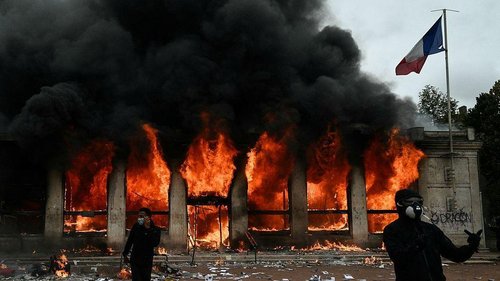
---In Serbia, a contradiction is unfolding as the economy flourishes while public discontent boils over. President Aleksandar Vucic, expected to relish the fruits of economic growth surpassing the European average, now grapples with months of escalating protests, reflecting a significant political crisis in his decade-long leadership.The protests have gained momentum predominantly among the youth in urban centers like Belgrade, the capital. Seeking to quell the unrest, the government proposed substantial state-subsidized loans of around $100,000 for young citizens to purchase homes. However, student leaders dismissed this offer, signaling a strong demand for genuine political change over financial incentives.Vucic's support base, traditionally bolstered by rural citizens he supplied with infrastructure improvements, is also voicing grievances. Farmers like 68-year-old Dusko Grujic have joined protests, arguing that the official statistics don’t reflect their lived reality—namely, soaring food prices, corruption, and the government’s dismissive attitude toward dissent.The growing protests reflect deeper societal issues beyond mere economics, as citizens demand accountability and transparency from a government they increasingly view as authoritarian. With mounting pressure from students and other disenfranchised groups, Vucic's tenure faces a critical test, as the balance between economic success and political legitimacy hangs in the balance.