In brief
Delhi's air quality has reached alarming levels, leading to widespread concern among residents and prompting governmental action.
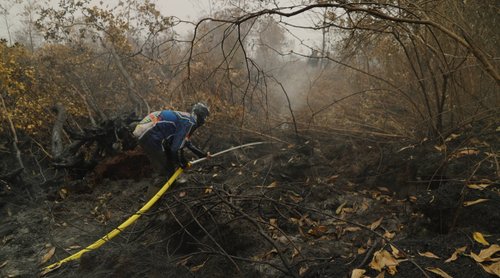
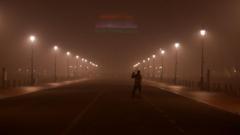
Delhi's air pollution crisis has escalated to unprecedented levels, leaving residents gasping for breath as the city grapples with dangerously unhealthy smog. On Monday, pollution levels soared to a staggering 1,500 on the Air Quality Index (AQI), according to real-time data from IQAir, marking a staggering 15-fold increase above the threshold deemed safe by the World Health Organization (WHO). The toxic haze has not only disrupted air travel but has also forced authorities to implement emergency measures, including the closure of schools and a halt on construction activities.Just weeks prior, Lahore, a nearby city in Pakistan, reported similarly alarming air quality metrics above 1,000. Experts are cautioning that the situation may deteriorate even further, compelling authorities to consider more drastic strategies to alleviate the environmental health crisis in Delhi. The WHO places any AQI score above 300 in the hazardous category, and Delhi's pollution control body classified the air quality as "severe plus," following readings exceeding 450 early in the day.In an effort to combat the worsening crisis, Delhi's government has restricted the entry of non-essential trucks, mandated that half of the workforce operate remotely, and enacted a ban on activities involving coal and firewood, along with non-emergency diesel generator use. Seasonal factors, such as a drop in temperature, agricultural stubble burning, and vehicular emissions contribute to the worsening air quality, especially between October and January.Delhi Chief Minister Atishi has declared a "medical emergency" in response to the rampant stubble burning in surrounding states like Haryana and Uttar Pradesh, attributing responsibility to the ruling Bharatiya Janata Party (BJP) for failing to address the escalating pollution problem over the years. Conversely, the BJP has pointed fingers at the Aam Aadmi Party (AAP), the ruling party in Delhi, for not curbing pollution within the city.As conditions deteriorate, residents express their frustration and concern. Individuals using social media platforms have shared distressing testimonials, noting symptoms such as itchy, painful throats and the inadequacy of air purifiers in making indoor air breathable. Calls for grassroots activism, including peaceful protests against the toxic environment, echo throughout social media as citizens unite in their plight for cleaner air and government accountability.