In brief
In a dramatic reversal, Gabon’s High Communication Authority announced the removal of a social‑media ban that had been in place since February. The censorship, justified by authorities as a measure to curb conflict‑spreading content, left 2.5 million Gabonese forced to rely on VPNs to reach the web. With younger citizens increasingly using these tools for business, leisure and activism, the restoration may empower discussions around Gabon’s rich biodiversity and its oil‑and‑timber economy. The decision follows a period of unrest—teachers and civil servants striking over pay, and a presidential election that delivered a 90 % vote share after a recent coup. The reopening is expected to facilitate community‑led climate action, encouraging the use of social media as a platform for sustainable solutions.
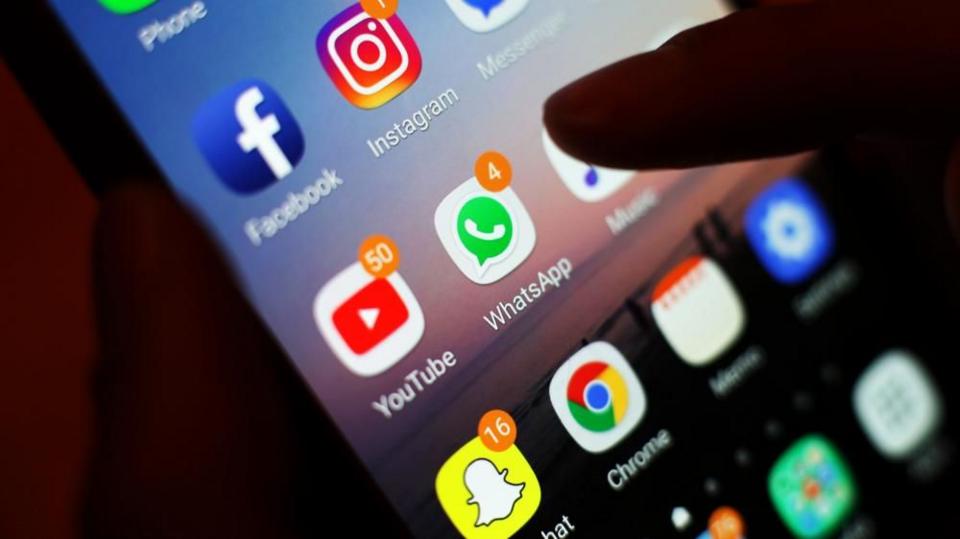
Gabon has lifted its eight‑month prohibition on social media. The announcement, made on Saturday by the High Communication Authority (HAC) in a televised statement, ended a ban that had silenced popular platforms such as Facebook, TikTok, YouTube and Instagram.
The restriction, imposed on 17 February, was justified by the HAC as a response to online content that allegedly fostered conflict and deepened social divisions. It came at a time of heightened political tension, as President Brice Oligui Nguema faced widespread unrest and a series of strikes by teachers and civil servants over wages and working conditions.
The ban left approximately 2.5 million Gabonese users, many of whom depend on the internet for business and leisure, scrambling to access the web. Protesters turned to VPN services to bypass the blockade, highlighting the public’s demand for digital connectivity.
With Gabon’s environment at the heart of its economy—rich in oil, timber and biodiversity—reopening social media could revitalize public discourse on climate resilience and sustainable development. Young citizens can now share best practices, organise local environmental initiatives and connect with global changemakers through familiar digital channels.
The decision marks a significant shift from the previous administration’s pattern of controlling information flow. It may also signal an avenue for more transparent governance and community engagement in Gabon’s future environmental policies.