In brief
On Saturday, France’s cities were engulfed in counter‑demonstrations as more than 1,300 people were detained for protesting steep living‑cost pressures. Though largely peaceful initially, clashes erupted against police, who deployed tear gas, water cannons and elite riot units across Paris, Marseille, Bordeaux and Lyon. The unrest reframes the nation’s dialogue on climate ambition, as soaring energy bills and diluted public services tighten the strain on families while the government strives for carbon‑neutral goals. The events come before a much‑anticipated presidential campaign that could determine the future trajectory of France’s environmental and social policies. Efforts to prevent further violent escalation must integrate safer protest rights, stronger economic support and transparent climate policies to restore public trust.
French Protests Hit 1,300 Arrests as Climate and Cost Issues Collide
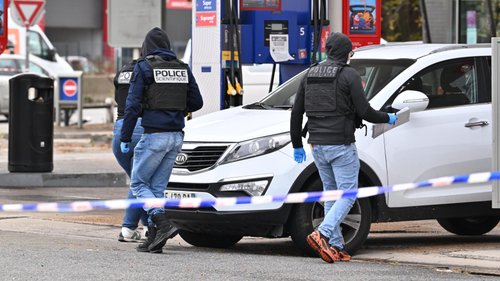
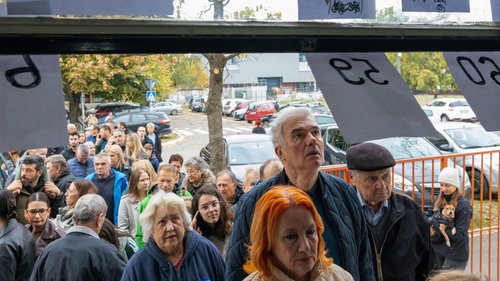
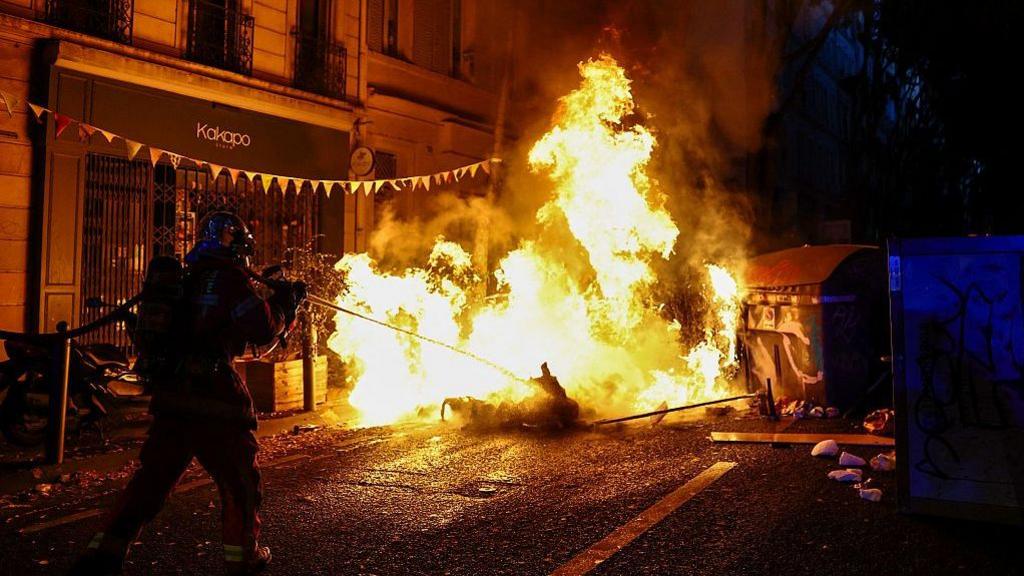
More than 1,300 people were arrested as crowds surged across France’s major cities on Saturday, according to the Interior Ministry. Thousands of demonstrators staged marches in Paris, Marseille, Bordeaux, Lyon and other urban hubs, demanding relief from the escalating cost of living while also calling for stronger action on climate change.
The protests began peacefully; however, tensions rose when police used tear gas, water cannons and a specialised elite unit to disperse crowds. In Paris, riot police charged groups of masked youths who were smashing a car dealership. The Interior Minister said 142 people were detained in the capital alone, half the number taken last week.
These events unfold against a backdrop of France’s aggressive carbon‑neutral ambition. As the government pushes for major reductions in greenhouse‑gas emissions, the populace is simultaneously hit by higher energy prices and budget constraints in public services. The clash highlights a broader struggle where environmental objectives intersect with social equity.
Public safety officials deployed about 70,000 officers across the country, imposing restrictions on several towns to prevent a repeat of last week's chaos. While the police reported that 53 officers were injured, officials also mentioned serious injuries to two protesters, including a 20‑year‑old who lost fingers to an explosive device.
French President Emmanuel Macron has declared that only protests organized by recognized trade unions would be allowed, a move aimed at curbing future unrest. Meanwhile, opposition parties argue that the crackdown stifles legitimate dissent and undermines the democratic process, especially as the presidential election looms.
The unrest mirrors protests in other European cities—Barcelona, Brussels, Milan, Tirana—all highlighting widespread grievances over living costs and responsive governance in an era of rapid environmental change.
With the election only half a year away, calls for comprehensive reforms grow louder. “We want a change in France,” shouted a teenage protester, resonating the hope that future policies, inclusive of robust climate strategy, will address both environmental and social challenges.