In brief
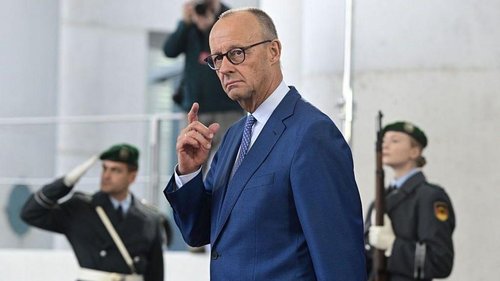
Friedrich Merz, leader of the Christian Democrats, appears set to become Germany's next Chancellor, promising reforms to reinvigorate the economy and confidently navigate Europe's new political landscape.
Germany is poised for significant political change following its recent parliamentary elections, where voters notably supported the centrist conservative Christian Democrats, led by Friedrich Merz. With the far-right Alternative for Germany (AfD) trailing in second, the results reflect a distinct shift in German political sentiment, particularly as the country grapples with economic difficulties and a contentious approach to immigration.Emerging from a turbulent coalition era under Chancellor Olaf Scholz, which saw an unprecedented three-party partnership struggle with governance, Merz's victory is a clear mandate for change. "We have won it," he proclaimed to supporters in Berlin, emphasizing his commitment to quickly forming a governing coalition to restore Germany's leadership role in Europe.The election, which came about seven months earlier than scheduled, witnessed robust voter turnout reminiscent of previous decades, indicating heightened public engagement in the political process. As Germany heads toward a new chapter, Merz has pledged to implement policies aimed at reducing taxes and cutting business regulations to stimulate economic growth, along with a tougher stance on immigration.In an evolving international context, Merz is also advocating for a more assertive foreign policy, particularly regarding support for Ukraine amidst renewed concerns over shifting alliances under the presidency of Donald Trump in the United States. While Merz has previously portrayed a potentially collaborative stance with Trump, his recent reflections question the future of democracy in the U.S. against the backdrop of alleged interference with the AfD.As Friedrich Merz prepares to navigate the complexities of coalition negotiations, his leadership could reshape not just Germany, but also the broader dynamics of European politics in a post-Trump era.