In brief
A resurgence of violent protests in Bangladesh has erupted as student activists clash with supporters of former Prime Minister Sheikh Hasina following her virtual address from India, emphasizing the nation's tumultuous political landscape and the government's struggle to maintain order.
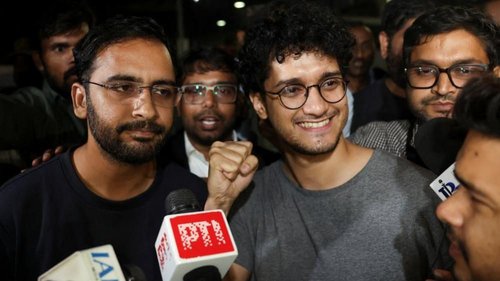
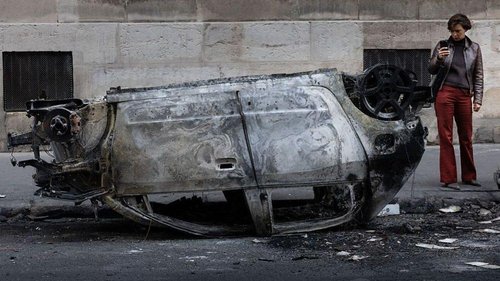
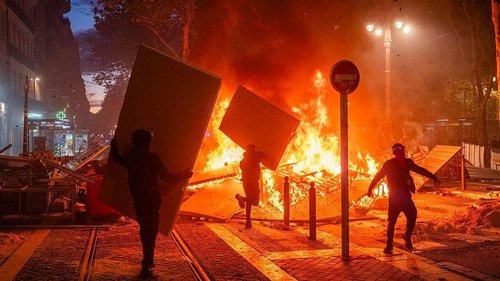
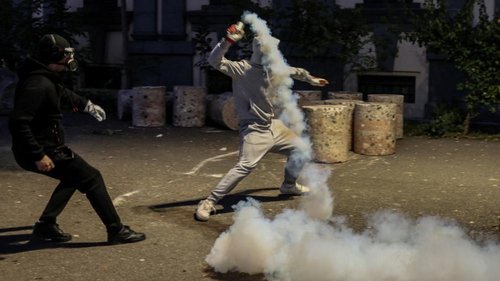
Bangladesh is witnessing a resurgence of violence as student-led protests continue to escalate following the virtual address by former Prime Minister Sheikh Hasina, who has been living in exile since her government was ousted in August. Tensions flared after Hasina, addressing citizens via audio from India, raised concerns among student activists, who feared that her speech would incite further conflict. In response, thousands of students took to the streets to demolish and set fire to a museum that was once home to Hasina’s father, Sheikh Mujibur Rahman, a key figure in the country's founding.The violent skirmishes began on February 8 and persisted for three days, demonstrating the fragile state of recovery in Bangladesh as it seeks to move away from the previous authoritarian regime. The interim government, now led by Nobel laureate Muhammad Yunus, launched "Operation Devil Hunt" to restore order, deploying police and paramilitary forces to quell the situation after the clashes left many injured.In her remote address, Hasina invoked her father's legacy and the advancements made during her rule, prompting additional unrest between her supporters and the protesting students. Since the outbreak of violence, over 1,300 individuals have been arrested, predominantly from the Awami League, her political party. The interim government is attempting to curb Hasina's influence and has gone so far as to threaten a ban on her party, even as Awami League members call for new protests.Amid these tensions, Yunus appealed for adherence to the law, asserting a vision for a "new Bangladesh" free from what he termed fascist governance. Nevertheless, with the Awami League framing student groups as Islamist militants, the potential for further unrest looms as both factions prepare for continued confrontations.