In brief
Ajman Municipality announced on November 6, 2026 that it had concluded its rainy‑season readiness plan, equipping the emirate with 82 pumps, 15 tankers, and 14 field teams. The effort expands the stormwater drainage network from 29 to 32 stations, increases coverage to 89.3 km by year‑end, and includes preventive maintenance on 18,500 inlets. Ongoing projects aim to strengthen infrastructure and protect residents during heavy rainfall.
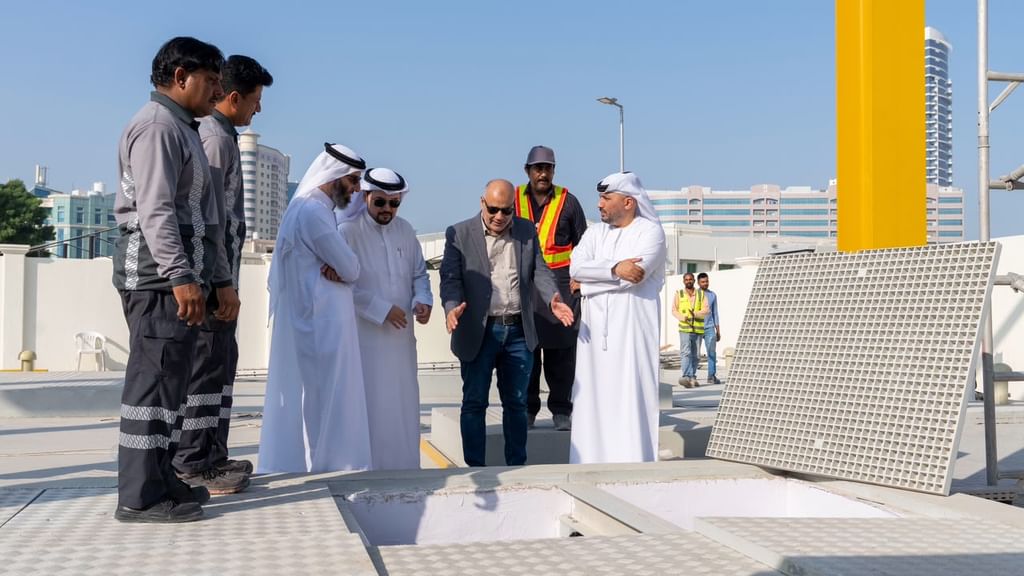
On November 6, 2026, Ajman Municipality confirmed that it had finished its preparations for the forthcoming rainy season, deploying 82 pumps, 15 tankers, and 14 field teams to bolster the emirate’s stormwater drainage capacity. The initiative was led by Mohammed Ahmed bin Omair Al Muhairi, Executive Director of the Infrastructure Development Sector, who inspected the newly upgraded stations alongside Abdullah Mustafa Al Marzouqi, Director of the Roads and Infrastructure Department.
Al Muhairi said the effort is part of the department’s ongoing push to develop the emirate’s stormwater drainage system, improve infrastructure efficiency and strengthen field readiness through preventive maintenance, vital infrastructure projects and specialised equipment and personnel. The 14 field teams, comprising 60 engineers and specialists and 173 workers, operate under preparedness and field‑response plans designed to ensure rapid handling of reports and emergency situations across all locations.
Currently, Ajman’s stormwater drainage system includes 29 stations, with plans to expand the network to 32 by the end of 2026. The total length of drainage networks stood at 81.65 kilometres at the close of 2025 and is expected to reach 89.3 kilometres by year‑end, thereby increasing capacity and drainage efficiency throughout the emirate. Al Muhairi added that preventive maintenance is ongoing on approximately 18,500 stormwater drainage inlets, covering cleaning, maintenance and readiness checks to smooth water flow and reduce obstructions during heavy rainfall.
In addition to the pumps and field teams, the plan calls for 15 truck‑mounted tankers that can swiftly mobilize to manage localized flooding. These vessels are positioned strategically to respond quickly to any blockages or overflow incidents, ensuring that drainage remains functional even during intense weather events. The expanded fleet works in concert with the newly installed pumps to prioritize the swift removal of stormwater from key arteries and residential areas.
Ongoing development projects further underpin the municipality’s strategy to reduce flooding risks. The City Centre Roads Development Project, the construction of a stormwater drainage station on Sheikh Zayed Street, and a new station on Abu Musa Island Street in Al Safia are key components. Preparation and maintenance works also cover major roads and neighborhoods, including Sheikh Rashid bin Abdulaziz Street, Sheikh Zayed Street, Sheikh Khalifa Street, and Sheikh Abdullah bin Ida? (source truncates at this point).
The integration of pumps, tankers, and field teams is complemented by a coordinated approach with emergency services to protect residents during heavy rain events. According to Al Muhairi, the municipality has established protocols to coordinate traffic flow and evacuate vulnerable areas if necessary, ensuring that infrastructure and community safety remain aligned. Through this partnership, the municipality aims to maintain smooth traffic conditions and reduce emergency response times during adverse weather.
Enhancing Sustainability Through Infrastructure Modernisation
Ajman’s investment in drainage infrastructure also aligns with broader environmental goals. By expanding the network and improving maintenance, the municipality mitigates the impact of urban flooding, which can lead to water pollution, soil erosion, and damage to ecosystems adjacent to the city. Enhanced stormwater management reduces the likelihood of surface runoff carrying contaminants into local waterways, contributing to healthier marine and terrestrial habitats.
Moreover, the strategic placement of new stations and the upgrade of existing inlets support the emirate’s sustainability targets by promoting efficient water use. Improved drainage reduces the need for stormwater treatment facilities and lowers the energy footprint associated with pumping operations. The use of modern pumps and tanker fleets ensures that equipment is energy‑efficient and capable of delivering higher flow rates with reduced operational costs.
Residents and local environmental groups have welcomed the municipality’s proactive stance. By addressing potential flood risks before the rainy season, Ajman demonstrates a commitment to climate resilience and sustainable urban development. The municipality’s plans are expected to serve as a model for other emirates seeking to upgrade their stormwater infrastructure in a climate‑adapted context.
As the rainy season approaches, Ajman’s infrastructure team remains on standby, ready to deploy its expanded fleet and skilled workforce. The municipality’s focus on preventive maintenance, field readiness, and coordinated emergency response underscores a broader strategy to safeguard communities, protect ecosystems, and enhance the resilience of urban water infrastructure in the face of ever‑increasing climate variability.