In brief
The recent fashion event in Kashmir highlights the clash between artistic expression and local sentiments, revealing the intricate dynamics of cultural identity in a politically sensitive region.
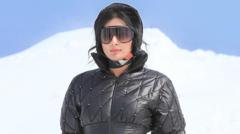
In the serene and picturesque landscape of Gulmarg, Kashmir, a fashion show held last week has ignited a fierce controversy. The renowned brand Shivan & Narresh hosted the event to unveil their skiwear collection, making it the first major non-local brand to conduct such a show in the area. This Himalayan paradise, steeped in cultural and historical significance, has long been at the epicenter of political unrest.The backlash commenced when videos posted by Elle India showcased models in revealing outfits, leading to widespread outrage among locals, politicians, and religious leaders. The criticism intensified when footage of a post-show celebration surfaced, depicting attendees drinking alcohol outdoors, sparking accusations of insensitivity during the holy month of Ramadan, a significant time for Muslims which emphasizes fasting and reflection. Opponents of the show labeled it "obscene" and claimed it represented a disrespect toward local customs and religious beliefs.Adding fuel to the fire, some local clerics articulated concerns regarding perceived cultural encroachment from outsiders. With a backdrop of prolonged conflict and unrest in the region, these sentiments reflect deeper worries about preserving cultural identity amidst external influences. In response to the charged atmosphere, Elle India and Lifestyle Asia swiftly deleted the offending videos.The designers offered public apologies, clarifying that their intent was solely to celebrate creativity without offensive implications. The controversy has spilled into political arenas, shaking the Jammu and Kashmir assembly. Opponents criticized government officials for permitting such an event, questioning their awareness of local sentiments. Chief Minister Omar Abdullah notably distanced his administration from the show, urging investigations into potential violations while vowing strict action if warranted.Kashmir’s rich spiritual heritage typically advocates for modest dress, exemplified by traditional garb like the pheran, a long cloak worn by both genders. Fashion industry professionals noted that the choice of Gulmarg as a venue aligns with a trend among designers to host shows in striking locations, akin to the theatrical presentations of legendary designers. Yet, as experts warn, when experimenting with aesthetics, it’s crucial to consider the political and cultural context, particularly in regions like Kashmir, etched with scars from historical conflicts.The resonance of events like these serves as a stark reminder of the complexities nestled within cultural expression and identity. For many locals, every expression of art is viewed through a political lens, fueling skepticism towards foreign enterprises. As the fashion industry continues to engage with varied cultures, the importance of mutual respect and understanding grows, especially in sensitive locales with rich histories. The backlash against this show underscores a persistent national dialogue regarding what constitutes cultural appropriation versus artistic celebration, as Kashmiris navigate their identity amid the influx of tourism and external influences. The potential for harmonious cultural exchange exists, but it demands an awareness and reverence to local customs, values, and the historical events that shape them.