In brief
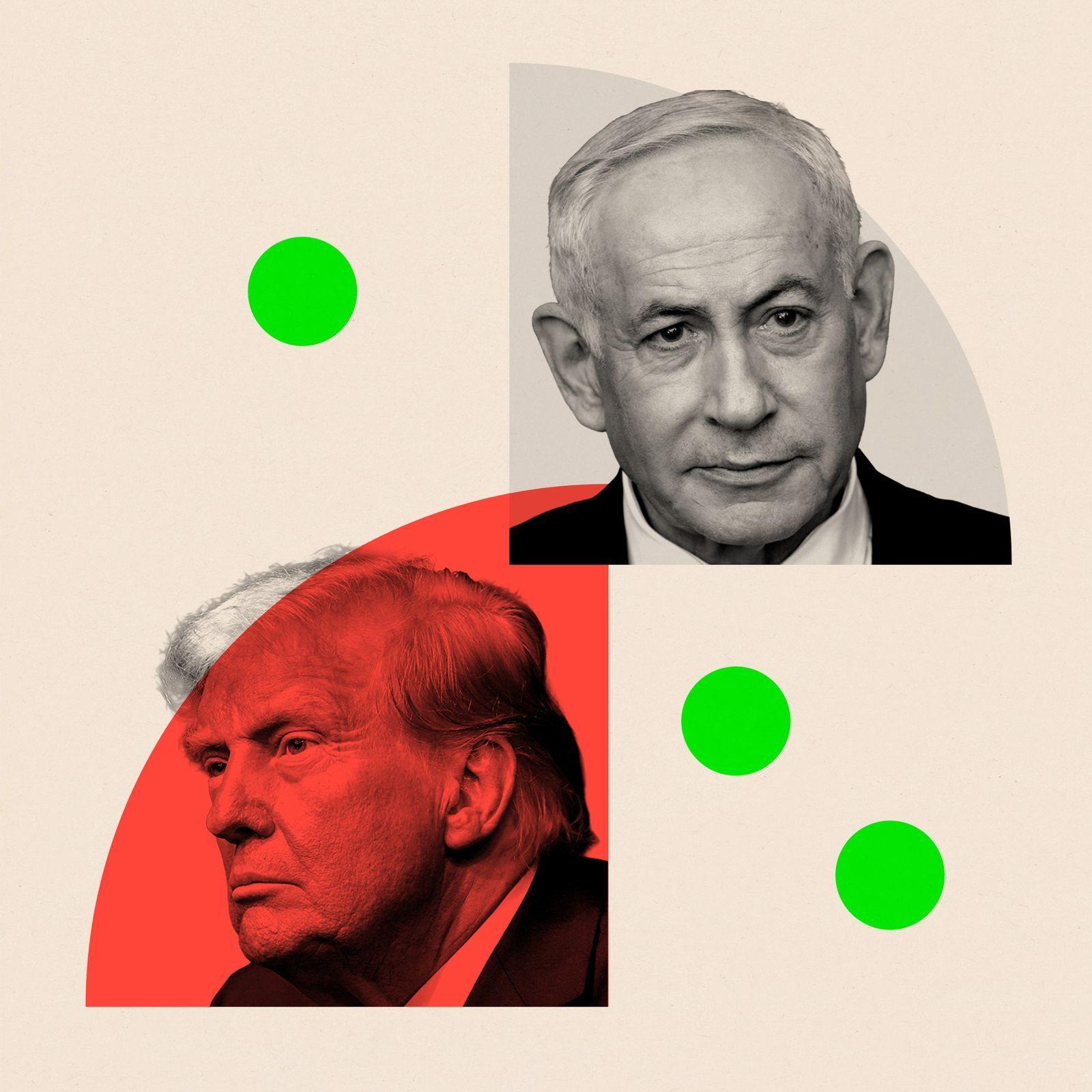
In a rare coincidence, the Israeli and American elections will take place within a week, setting the stage for new governments to decide on defence, sanctions and energy policy. Israel’s leader will determine the intensity of the ongoing conflict with Iran, with implications for oil flows through the Strait of Hormuz. American congressional outcomes could influence military aid levels and the country’s net‑zero targets, affecting global demand for fossil fuels. Both elections are interconnected by dual‑citizen voters whose ballots may sway close races, underlining how domestic politics can ripple across climate and energy stability.
In a rare coincidence, Israeli voters will head to the polls on Tuesday to choose a new parliament, while a week later, Americans will decide the future of the U.S. Congress. These events are more than domestic politics – they carry implications for energy security, climate commitments and the global economy.
Israel’s choice of prime minister will shape its stance on the ongoing war with Iran, with possible impacts on oil flows through the Strait of Hormuz, the world’s most vital chokepoint for petroleum. A new Israeli leadership could either keep the pressure on Tehran or seek a more measured approach that mitigates disruptions to fuels and renewable‑energy imports.
In the United States, Republican and Democratic leaders debate how to balance federal support for Israel with broader climate and economic goals. Congressional outcomes could limit or sustain military aid, with ripple effects on fossil‑fuel demand, global prices and the transition to low‑carbon alternatives.
Both elections are interconnected by a complex web of voters with dual citizenship, whose ballots could swing tightly contested races such as Michigan’s Senate race. The timing also poses a challenge to Washington’s decision‑making regarding the conflict with Iran, and to the global community’s ability to manage climate risks that hinge on energy stability.
As the world watches, the decisions made in Jerusalem and Washington will affect not only regional security but also the trajectory of climate change mitigation efforts, underscoring the profound link between politics and the planet.