In brief
Despite the evident climate crisis, climate change is overshadowed by political standoffs in the Canadian election landscape.
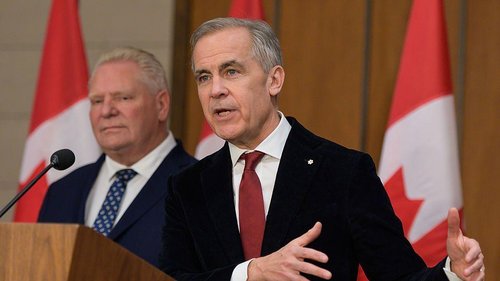
In the face of alarming environmental events, such as unprecedented Arctic melting and raging wildfires, climate change has surprisingly slipped down the hierarchy of voter concerns in Canada’s elections. Recent polling indicates that environmental issues don't rank among the top preferences for voters. According to political analyst Jessica Green from the University of Toronto, the prevailing mood centers around the necessity of choosing a leader capable of confronting American President Donald Trump, whose provocative stances threaten Canadian sovereignty.Leading the polls is Mark Carney, a candidate from the Liberal Party, who carries a robust background in climate policy. His previous roles include the United Nations Special Envoy on Climate Action and Finance, where he successfully orchestrated a coalition of financial institutions to commit to a net-zero emissions goal by 2050. However, in a surprising turn, Carney has not prioritized climate action in his electoral campaign. One of his first moves following Prime Minister Justin Trudeau’s resignation was the termination of a contentious fuel tax geared towards reducing emissions from gasoline.Carney’s actions raise questions about the prioritization of climate policies amidst pressing economic and geopolitical concerns, leaving many wondering whether the Canadian electorate will have a chance to address the escalating climate crisis in future political platforms.