In brief
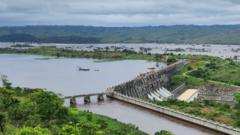
After decades of planning, the Grand Inga Dam on the Congo River in DR Congo, touted to be the world's largest hydroelectric project, faces significant obstacles, including funding troubles, partnerships volatility, and environmental concerns. While the need for increased electricity access in sub-Saharan Africa is pressing, clarity about the project's future remains elusive.
The Grand Inga Dam, envisioned as a monumental renewable energy project capable of generating more electricity than China's Three Gorges, has long sparked hope in the Democratic Republic of Congo (DR Congo) and beyond. Initially proposed decades ago, its promise of powering vast regions of Africa had investors intrigued. However, nearly a year after the withdrawal of the Chinese Three Gorges Corporation, concerns are deepening over its feasibility and the political climate surrounding the project.As DR Congo's government continues to proclaim its commitment to the Grand Inga's development, critics highlight a troubling history of delays, corruption, and lack of proper governance that have plagued the country's infrastructure projects. Despite optimism from some international bodies, the absence of tangible progress suggests stagnation.Currently, about 600 million people remain without electricity in sub-Saharan Africa, underscoring the urgency for reliable energy solutions. However, attempts to rectify this issue through the Grand Inga have experienced numerous pitfalls, including the disbandment of the Westcor consortium, which had aspired to expand the existing Inga I and II dams. The original dams were constructed under Mobutu Sese Seko’s regime but by the end of the last century, they had fallen into disrepair due to insufficient funding. Efforts to rejuvenate these assets, including plans for six additional dams, have been met with skepticism and conflicting international interest. Recent discussions between the World Bank and the DR Congo government hint at a potential revival, but substantial financial hurdles remain. Estimates for the Grand Inga project's completion soar to $80 billion, with investors wary of potential outcomes in a country historically marred by conflict and instability. The ongoing challenges surrounding funding and oversight have left the Grand Inga’s future teetering on a precarious balance.Despite these challenges, burgeoning collaborations with African financial institutions offer a glimmer of hope. If construction of the Inga 3 dam could commence, two of its turbines are projected to be operational by 2032, aiming to benefit both local communities and electricity-hungry countries like South Africa, which has shown interest in the dam's output.Environmental and social ramifications also complicate the Grand Inga’s narrative. Critics raise alarms regarding the displacement of approximately 37,000 residents and the ecological impact of altering river flows. Historical precedents from Inga I and II reveal the painful legacy of communities uprooted without adequate compensation and dwindling biodiversity as consequences of hydropower expansion.While proponents argue for the initiative's promise of change, voices from civil society question whether the benefits will truly reach local populations, who largely rely on wood fuel for cooking amidst growing electricity needs. Thus, the saga of the Grand Inga Dam epitomizes the complexities of major infrastructure projects, especially in developing regions. While optimism remains, the interplay of governance, investment, environmental considerations, and community welfare will ultimately dictate whether this grand vision transforms into reality or remains a promise unfulfilled.