In brief
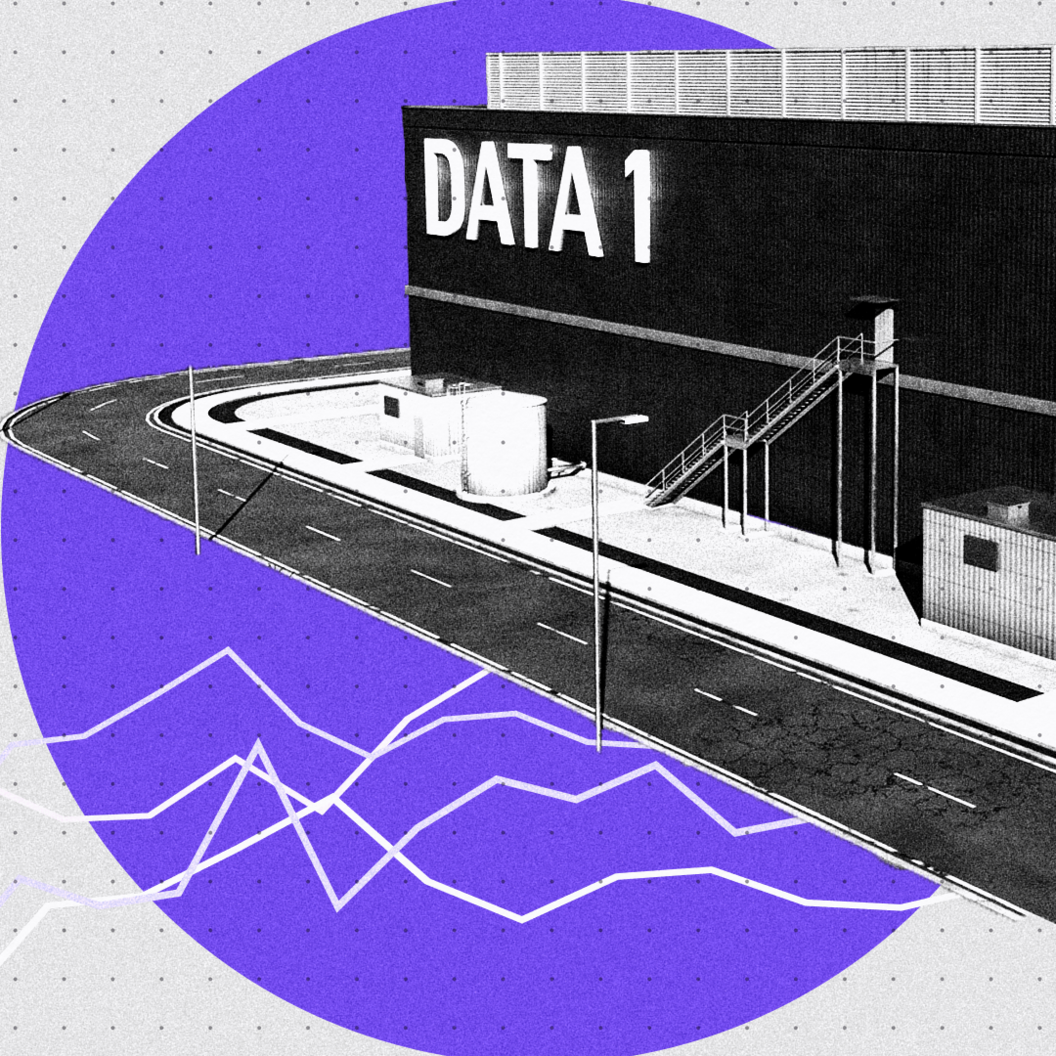
Data centres are exploding in size and number, drawing political fire ahead of the U.S. midterm elections. Their high energy and water demands rival those of entire countries, raising carbon‑emission alarms. While proponents claim massive job and security benefits, critics warn of environmental costs and noisy, land‑consuming growth. Industry estimates project the AI‑driven data‑centre market to top a trillion dollars next year, pushing innovators towards solar‑powered space or lunar solutions. The debate highlights the need for responsible infrastructure that balances progress with planetary health.
Many people still do not know what a data centre is. These skyscraper‑size warehouses are the invisible backbone of the internet, powering searches, emails, streaming and the latest artificial‑intelligence chatbots.
As machine‑learning models grow, the industry has built a network of colossal hubs that consume far more electricity than many nations. The surge in demand has created a new policy battlefield as the U.S. election approaches.
Republicans and Democrats alike now face voters who question whether expanding data‑centre infrastructure is worth the environmental and economic cost. President Trump has dismissed the opposition as a "sick conspiracy," but natural‑resource groups point to real‑world impacts on power grids and water supplies.
Rapid Growth Europe‑Trends a Global Sprawl
From 2021 to now, the number of operational data centres worldwide has jumped from around 8,000 to about 12,250, with the United States alone hosting 4,767 sites. Europe lags behind, but its major economies—especially the UK and Germany—are adding new facilities at a rising pace.
Historically, most sites were constructed near urban centres to tap high‑voltage lines and cooling water. Growing capacity has forced developers to seek rural plots where grid density and cooling resources are more abundant, a shift that some estimate will boost local electricity fees.
Megascale and the Footprint of AI
Ranging from a shed‑sized server room to the roughly one‑million‑square‑metre complex in Inner Mongolia, data‑centre sizes vary widely. The largest projected build is SpaceXAI’s Colossus 2, set to contain Nvidia chips and run on 41 methane turbines that regulators say meet air quality standards yet may still raise local pollution levels.
Energy Demand and the Water Conundrum
World‑wide consumption of electricity by data centres now outpaces the total of France, driving up greenhouse‑gas emissions and pushing existing power grids to their limits. Cooling processes also draw tremendous volumes of water, threatening regional shortages and increasing local utility bills.
Jobs, Economy, and the Debate of Value
Advocates insist that data centres are critical for national security and the ongoing AI revolution, citing tax revenue and construction jobs as benefits. A Brookings Center study confirms local employment does rise, though modestly, with hyperscale projects delivering the greatest impact.
Colocation facilities, which rent out space to third‑party tenants without a direct local presence, tend to produce fewer community benefits, according to the research.
Beyond Earth‑Bound Towers
Some of the most forward‑thinking proposals involve moving servers to space or the moon, where abundant sunlight could power unmanned data hubs. Other forecasts suggest that deep‑learning workloads could be migrated onto everyday devices, eliminating the need for ever‑larger facilities.
Industry forecasts predict a global AI infrastructure spend of more than one trillion dollars by 2027, but the next chapter of the debate will hinge on whether this capital can be deployed responsibly.
Additional reporting and design by Erwan Rivault, Matt Faraci and Dominic Bailey.