In brief
A Panama‑flagged oil tanker, identified as Gem No. 2, was struck by an unknown projectile in the Strait of Hormuz in early October. The resulting spill has expanded to more than 35 km of the United Arab Emirates coastline, forcing beach closures and raising alarm over impacts on biodiversity hotspots such as the Siniyah and Khor Al Beidah islands. While containment efforts have begun, scientists caution that the extent of damage depends on oil type, evaporation rates and cleanup effectiveness. The incident highlights the growing danger of maritime attacks amid tensions in the region and underscores the urgent need for robust maritime environmental safeguards.
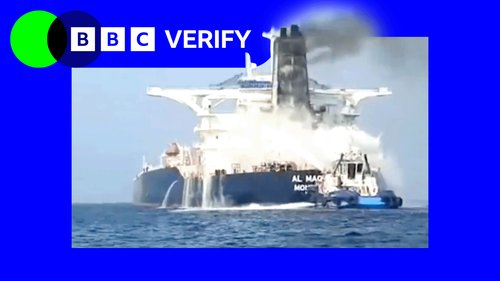
A crude oil tanker – later identified as the Panama‑flagged Gem No. 2 – was struck by an unknown projectile in the Strait of Hormuz on 9 October. The bombardment caused a fire and a leak that has since spread along the United Arab Emirates (UAE) coast.
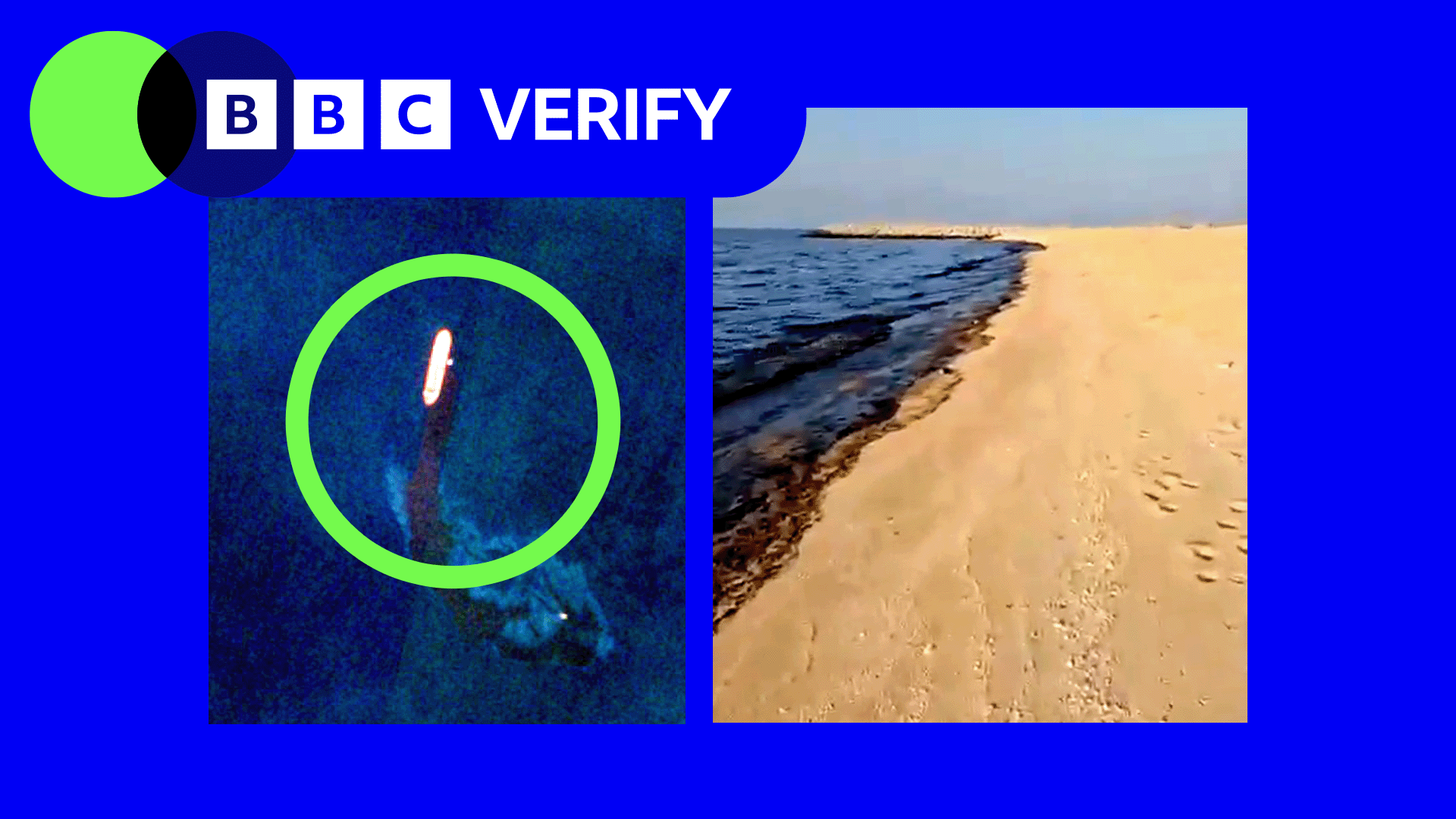
Satellite imagery from Monday showed the beginning of the spill and, by Wednesday, the slick had stretched over 35 km (22 miles) from the vessel. Most of the oil has now washed up along the beaches near Umm Al Quwain, prompting authorities to close affected sections and begin containment operations.
Officials from the UAE Ministry of Climate Change and Environment say they are “immediately” engaged in containment to limit environmental impacts, though scientists underline that the full extent of damage is uncertain. The slick approaches the Siniyah and Khor Al Beidah islands, internationally recognised Key Biodiversity Areas that host coral reefs, seagrasses, salt marshes, green turtles and the critically endangered Halavi guitarfish.
Marine researchers warn that oil can cause immediate deaths through physical entanglement or chemical toxicity and can also hamper reproduction with long‑term effects on species. The rate of evaporation, biodegradation and the efficiency of cleanup efforts will determine the lasting impact.
The incident follows a record surge of vessel strikes reported by the Strait of Hormuz in early October, with the Gem No. 2 being one of the most recent. Iranian state media released footage of the damaged ship on fire, while all 22 Indian crew members were rescued after their vessel tried to exit the strait via an “unauthorized and dangerous” route.
The spill adds to a list of regional maritime pollution events, such as the August incident that washed onto Qeshm Island, underscoring the intersection of geopolitical conflict and environmental risk in critical shipping lanes.
For more information on related incidents, see Major oil slick washes up on Iran coast after Hormuz ship strike.