In brief
Khalifa University, partnering with UNESCO and Youth4Water, has shortlisted 63 teams from 26 nations for the 2026 Global Water Hackathon. The lineup, drawn from 45 teams outside the UAE, covers six innovation themes aligned with UN Water Pillars. The finalists will refine their projects with the goal of showcasing practical solutions at the upcoming UN Water Conference and beyond.
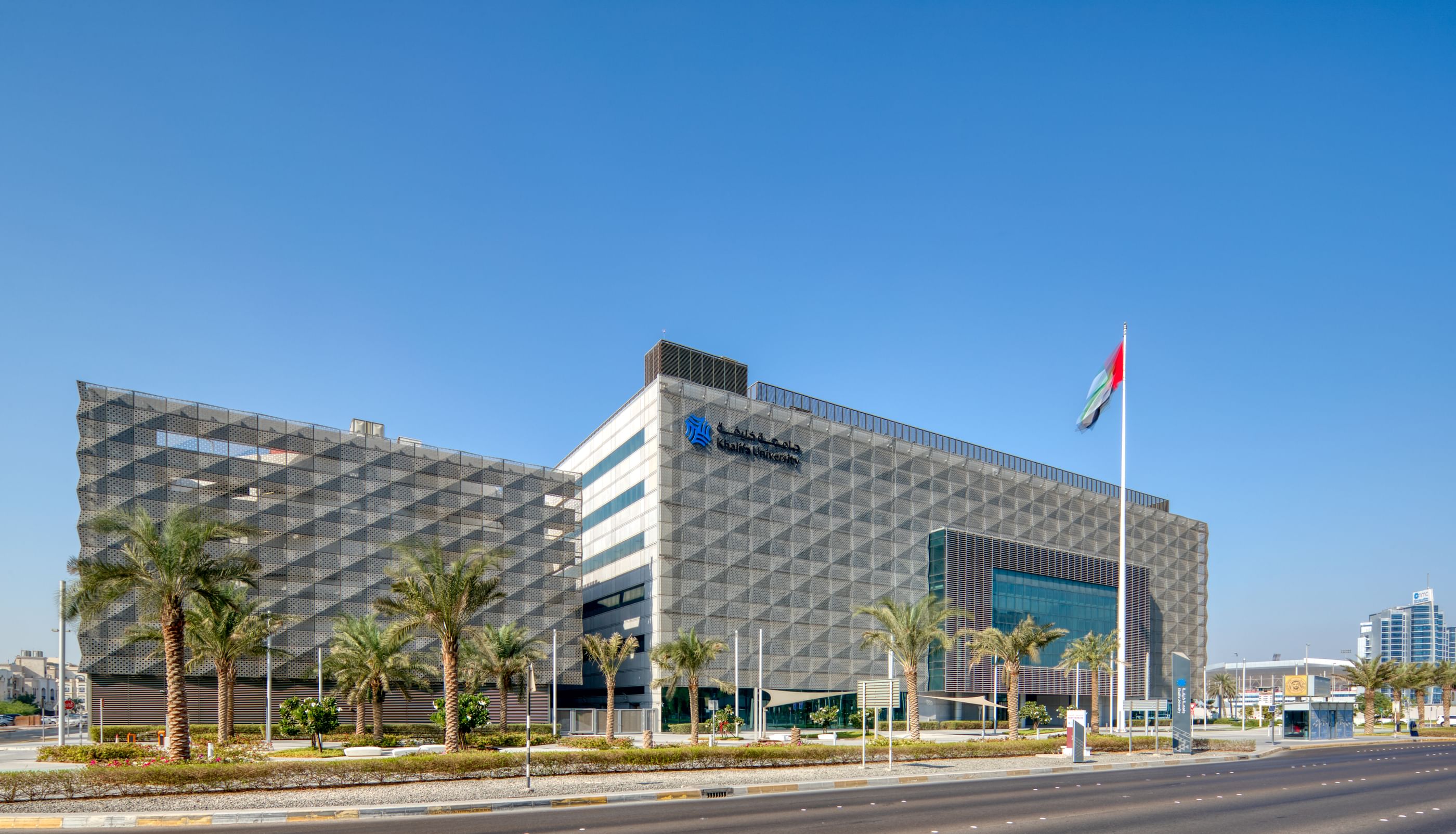
At the dawn of 2026, Khalifa University of Science and Technology announced the shortlisting of 63 teams from 26 countries for the Khalifa University–UNESCO Global Water Hackathon. The competition, which follows an initial pool of 238 teams from 56 countries, aims to spur innovative solutions in water security, resource efficiency and climate resilience ahead of the United Nations Water Conference in Abu Dhabi.
Broad International Participation and Thematic Breadth
Of the shortlisted entrants, 45 teams hail from outside the United Arab Emirates, accounting for 71 percent of the roster. Their projects span six water‑innovation themes that echo the UN Water Pillars: Smart, Digital and AI‑Enabled Water Systems; Water Reuse, Circularity and Resource Efficiency; Water Security and Sustainable Desalination; Energy–Water Nexus and Climate Resilience; Water Quality, Health and Environmental Protection; and Integrated Water Systems, Governance and Cooperation.
These themes connect emerging talent across Asia, Africa, South America, Europe, Oceania and North America to shared priorities in safeguarding water resources and enhancing climate resilience. By framing the competition around established global pillars, the hackathon hopes to produce solutions that are not only technically sound but also aligned with international policy frameworks.
“The participation of shortlisted teams from 26 countries demonstrates the value of international cooperation in advancing water innovation. Through this Hackathon, Khalifa University is connecting emerging talent with scientific expertise and opportunities to develop solutions that respond to shared water challenges,”
said Professor Ebrahim Al Hajri, President of Khalifa University.
Towards Practical Outcomes and the 2026 UN Water Conference
Led by Khalifa University’s Centre for Membranes and Advanced Water Technology (CMAT) and organised in partnership with UNESCO and Youth4Water—a flagship initiative aiming to empower youth in water governance—the hackathon will now propel the shortlisted teams into a second selection stage. Judges will assess the scientific robustness and practical potential of each proposal, with winners announced in December.
Successful projects will be presented at the United Nations Water Conference, providing a global platform to showcase scalable solutions. The conference’s broader agenda—focused on water equity, climate adaptation and sustainable governance—offers a receptive audience for the hackathon’s leading innovations.
As the UAE prepares to co‑host the UN Water Conference, Khalifa University underscores its commitment to connecting research, innovation and talent. By fostering collaborations between academia and the international community, the university aims to accelerate the transition from conceptual design to implemented water‑security solutions.
In addition to competition awards, finalists will receive mentorship from industry experts and access to Khalifa University’s research facilities. These resources are designed to bridge the gap between prototype development and real‑world deployment, ensuring that the hackathon’s outcomes contribute tangibly to global water resilience.
Overall, the 2026 Global Water Hackathon illustrates a growing trend of using hackathons as catalysts for inclusive innovation. By inviting teams from diverse geographic and technical backgrounds, Khalifa University and its partners endeavor to generate solutions that are both culturally resonant and scientifically rigorous—an approach that could shape future water‑related policy and practice worldwide.