In brief
The article explores the engagement of conservative Christian women in social and political discussions while facing traditional gender roles. Outspoken figures like Allie Beth Stuckey highlight a growing resolve among women in conservative faiths, even as challenges persist in achieving equal representation in leadership. Contrastingly, Catholic women, especially nuns, are leading advocacy for social justice, representing a nuanced response to the barriers imposed by their faiths. As discussions around women’s ordination in both Catholicism and evangelical communities continue, the push for greater inclusivity and social activism remains unwavering.
The movement for gender equality among women of faith faces complex challenges, particularly within conservative Christian and Catholic contexts. Prominent figures have emerged to advocate for women's active roles in politics and society, countering the traditional doctrine that limits their leadership opportunities.
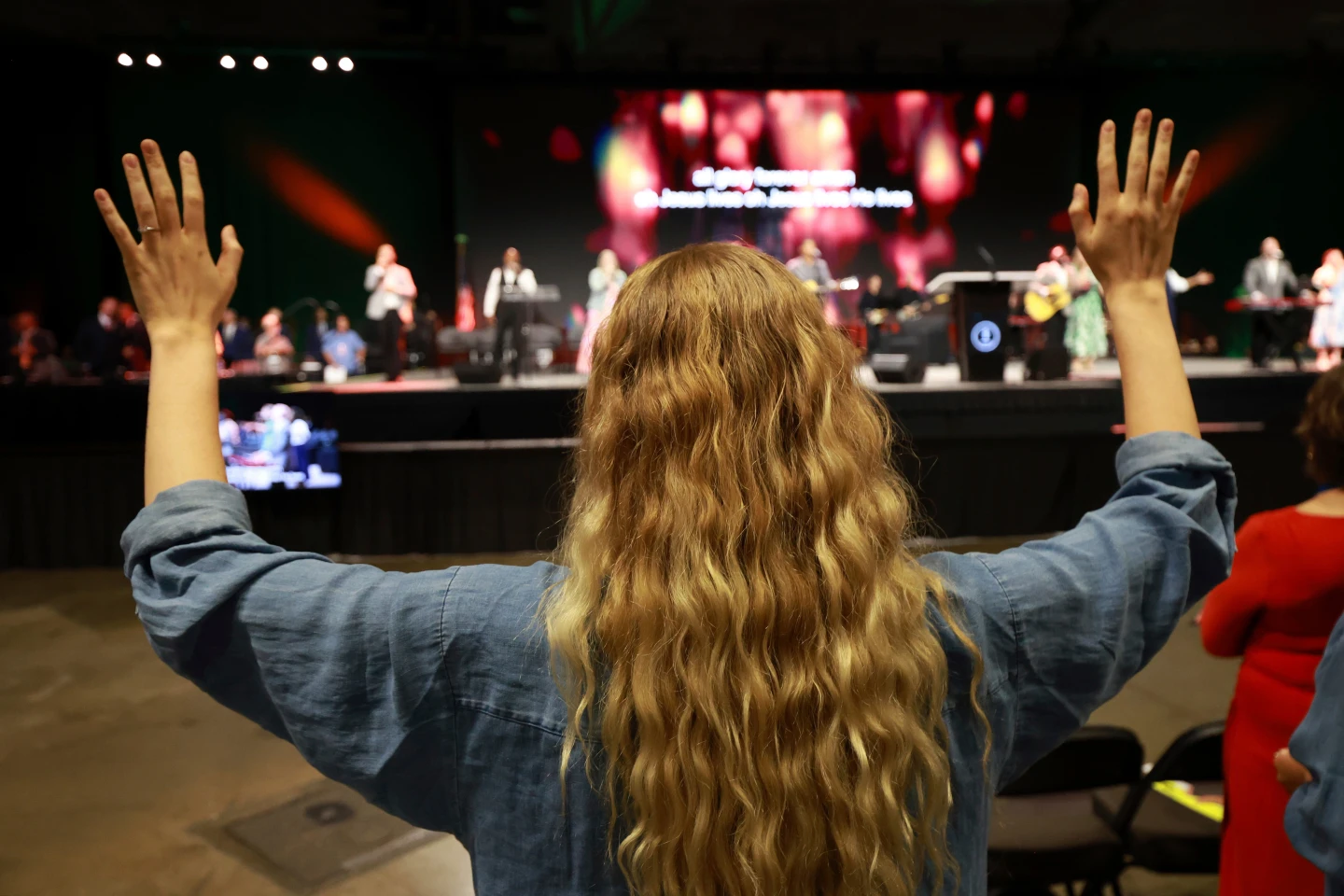
In recent gatherings, such as a large conference in Texas organized by commentator Allie Beth Stuckey, thousands of conservative Christian women declared their determination to engage more actively in political and cultural discussions. Stuckey emphasized their commitment to opposing feminist narratives and advocating for a return to ‘God’s Word.’
Similarly, Catholic women, notably from religious orders, are intensifying their social justice efforts. Their advocacy, as seen in public rebukes against inflammatory rhetoric and active support for marginalized groups, highlights their critical role as agents of change despite institutional limitations.
Figures like Sister Norma Pimentel are at the forefront, working directly with migrant communities along the U.S.-Mexico border, demonstrating the power of compassion in activism. This contrasts with the perceptions in some conservative circles that those adhering to traditional gender roles cannot also be leaders and change-makers.
The Southern Baptist Convention exemplifies this tension; while its doctrine restricts women from pastoral roles, many women navigate these constraints and excel within designated roles, choosing to embrace their influence in other capacities.
Challenges remain for advocates of women's ordination in both traditions, with organizations like the Women’s Ordination Conference speaking out against regressive policies. They foresee a growing resistance in the context of rising polarization.
This intricate landscape reveals that women in faith-based communities are not merely accepting established norms but are also redefining them through active participation, advocacy, and an unwavering commitment to justice.