In brief
Ukrainian drone attacks on Wildberries retail warehouses have incinerated inventory and disrupted logistics, undermining Russia’s small‑business sector. The strikes have intensified an already raging fuel crisis, tightening energy supplies and inflating costs. The moving target of the war shifts focus away from climate objectives as outages spike demand for fossil fuels. Tiny entrepreneurs face loss of stock, while the Russian state struggles to protect its economy. The escalation underscores how conflict can quickly erode sustainable progress and expose the fragility of modern supply chains.
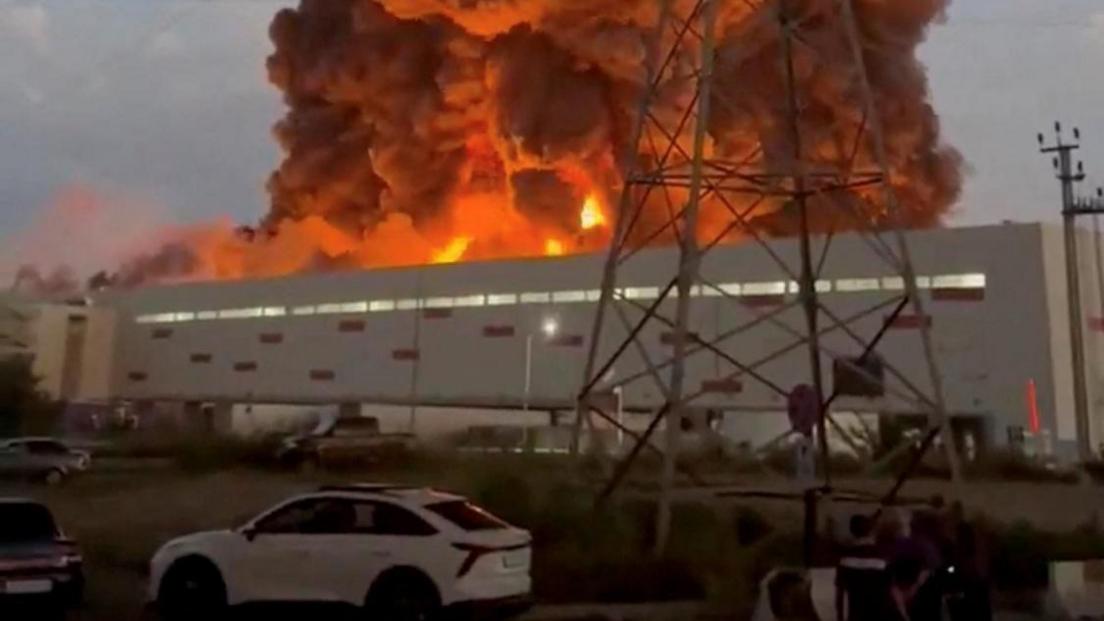
The largest online retailer in Russia, Wildberries, has been struck five times in a span of days by Ukrainian drone attacks, setting fire to warehouses across the country and ruining millions of roubles’ worth of stock. For the small‑medium businesses that rely on the platform, the losses are catastrophic.
While investigators have yet to confirm it, the damaged warehouses are suspected of storing a mix of consumer goods and military‑related components. Even so, the fire inflicted major logistics damage that has halted shipments to vast parts of the country. The result is a sharp rise in transportation costs for a sector that already bears high inflation and a 23‑percent dip in oil and gas revenues.
The attacks feed into an existing fuel crisis in Russia – the result of Ukrainian strikes on oil depots and refineries – that has already pushed fuel prices up and created shortages. With the war dragging on, the situation has turned into a spiral that forces businesses to spend more on energy to keep operations running, challenging the country’s climate ambitions, which depend on a stable energy sector.
For the sellers, the impact is immediate and personal. A mother of a disabled child, whose livelihood she built around selling stationery, has seen all her inventory up in smoke. Another trader lost 1.4m roubles ($13,300) in apparel, leaving her to pause new orders. Both have stepped into a future where “the outlook for working with Wildberries is very murky.”
Wildberries’ owner Tatiana Kim has promised to support sellers, offering temporary discounts and waiving shipping fees, and has already paid some compensation. Yet the new “force majeure” clause added to seller contracts, covering drone attacks, means many will still be left out of payouts.