In brief
The violent protests that erupted across Paris and other French cities this weekend are not merely a political backlash; they echo growing anger over climate‑driven living‑cost pressures. Citizens spotlight the intersection of energy prices, food scarcity, and environmental policy failures. While police blame far‑left agitators, many protestors argue that the real culprits lie in systemic economic and ecological neglect. Experts say moving toward renewable energy, carbon pricing, and green social programmes could ease both environmental and fiscal distress. The unrest underscores the urgent need for integrated climate‑and‑social solutions to restore public trust.
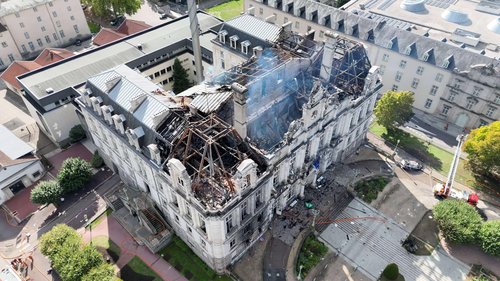
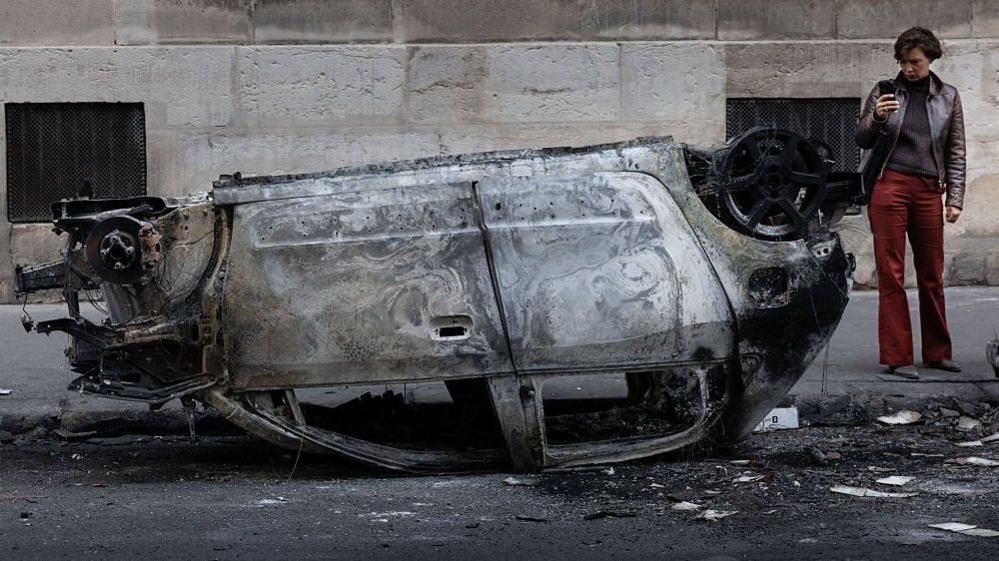
The harrowing images of burnt cars and shattered shop windows across Paris are familiar sights, but they mask a deeper, more systemic crisis. Behind the chaos, citizens are shouting that the root cause is less about politics and more about the escalating cost of living—a crisis fed by unsustainable energy systems and climate‑driven resource shortages.
"This weekend is about the high cost of living, not politics," says a resident met near a collapsed police van. The call for a parliamentary inquiry into the riots soon followed, but many argue that asking for an inquiry into heritage simps instead of confronting climate‑related spending cuts is a diversion.
In the wake of the protests, the energy price spike became a rallying point. From France’s peak‑summer electricity surges to spiralling fuel costs, households across Europe speak of a climate‑induced squeeze. Climate scientists warn that the lack of investment in sustainable infrastructure means nations must instead keep pumping fossil fuels into the economy, driving up prices and deepening inequity.
Pro‑green voices argue that a transition to renewables could solve two problems at once: reducing greenhouse‑gas emissions and softening the economic shock of fossil‑fuel dependency. Off‑grid solar roofs and local wind farms promise to stabilize household energy bills while creating thousands of new green jobs.
The riots also reveal the alarming spread of social media‑mimicked violence. An editorial from a major newspaper noted how “TikTokisation” of attacks might embolden youth, but academics point out that real grievances—food insecurity, lack of renewable investment, and slow climate policy—are the true catalysts behind these violent acts. That the prime minister and interior minister named far‑left groups as culprits further highlights a pattern of finger‑pointing that seldom addresses underlying climate and economic gaps.
Looking forward, citizen scientists and climate activists in France and beyond are calling for a broad, integrated approach: carbon‑pricing schemes that fund social security nets, subsidies for renewable technologies, and public‑transport expansions that cut both emissions and bills. Equity‑driven climate policy could undo the economic discontent fueling unrest.
As the European Union prepares for the next fiscal cycle, only a balanced climate‑and‑social strategy can ensure stability. Rather than blaming agitators, policymakers must recognize that consistent, sustainable investment in green infrastructure will not only save the planet but also ease the immediate pressures on citizens’ wallets, restoring hope and civic trust.”