In brief
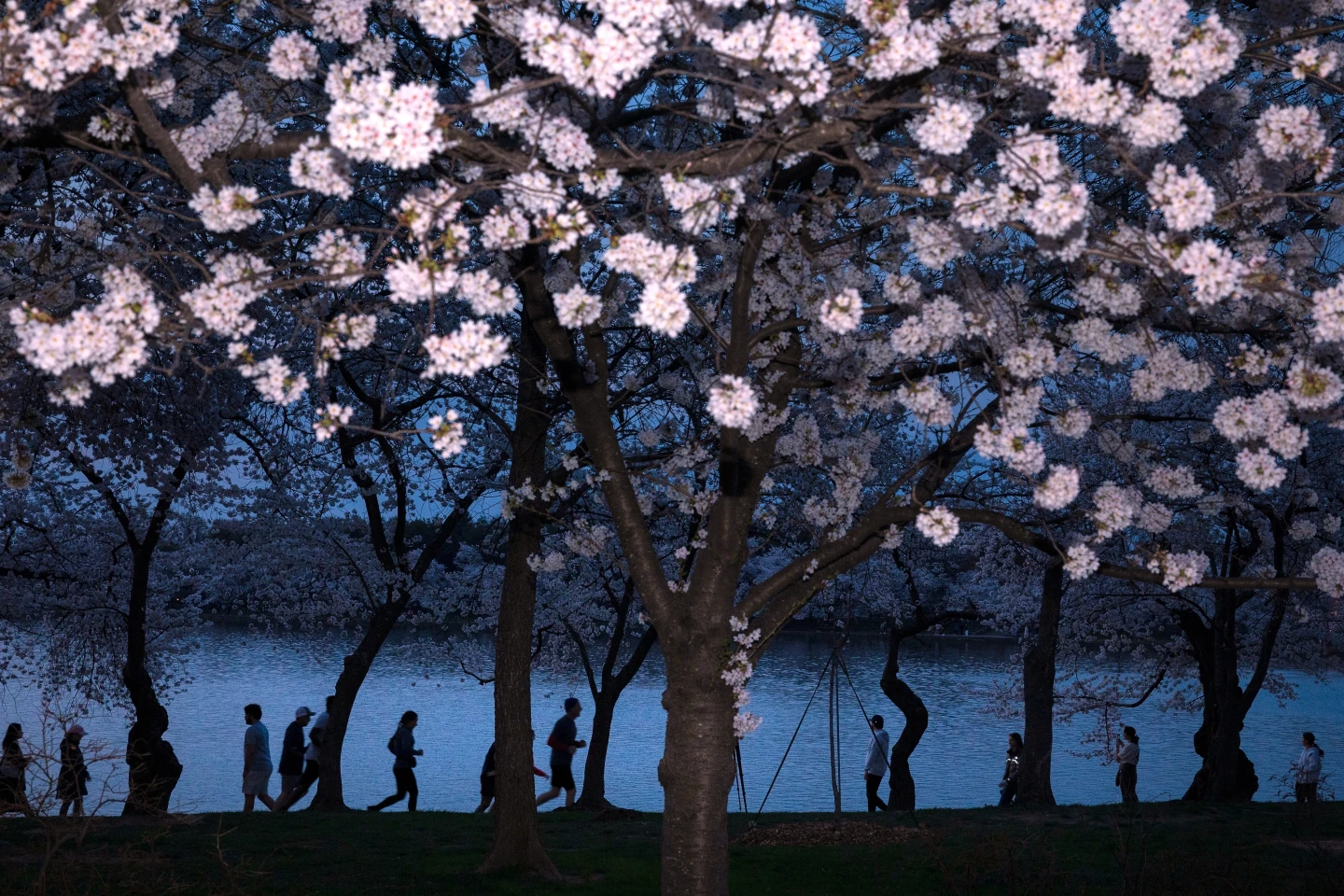
This year's cherry blossoms in Washington, D.C. have officially hit peak bloom, with an influx of tourists celebrating amidst the stunning floral displays. The cherry blossoms, a gift from Japan in 1912, have become a cherished symbol of spring in the capital. The National Cherry Blossom Festival, running from March 20 to April 12, is set to attract millions looking to appreciate the beauty of these iconic trees while enjoying a variety of cultural events.
As the cherry blossom trees in Washington, D.C. reaches their peak bloom, visitors flock to the iconic Tidal Basin, where thousands of delicate blooms create a stunning spectacle. This vibrant floral display signals the unofficial start of the spring season in the city, showcasing the Yoshino Cherry trees that have become a symbol of renewal and beauty.
The National Park Service defines peak bloom as the day when 70% of the Yoshino Cherry blossoms are open. This year, the blossoms peaked right on schedule, following a period of mild weather that spared the delicate flowers from unexpected frosts. Optimally, the bloom lasts for several days, but weather conditions can drastically reduce this fleeting beauty.
The cherry blossoms’ history dates back to a gift of 3,000 trees from Japan in 1912, a gesture that fostered a deep cultural connection between the U.S. and Japan. Today, this bond is celebrated annually during the National Cherry Blossom Festival, which runs from March 20 to April 12, featuring a variety of events including musical performances, Japanese cultural exhibitions, and a spectacular fireworks display.
In 2024, as part of a significant renovation project at the Tidal Basin, attendee experiences might be a bit restricted due to ongoing construction aimed at improving the area’s seawall. Despite this, the spirit of the festival remains strong, drawing crowds eager to celebrate the blooms. Furthermore, more than 100 trees that were removed from the area during renovations are set to be replanted, ensuring the legacy of the past continues for future generations.
Finally, enthusiasts of Stumpy, the beloved gnarled tree that gained internet fame, will have to wait a while longer to reconnect with their favorite tree, as it too was removed for the renovations. However, Stumpy clones will soon be planted, allowing fans to continue the celebration of this extraordinary tree.