In brief
As I navigated a 650-mile train journey from Atlanta to Washington amidst political chaos, I reflected on the historical significance of rail travel. This adventure prompted contemplation of our interconnectedness and the ongoing impact of politics, economics, and social issues on transportation and mobility across the U.S.
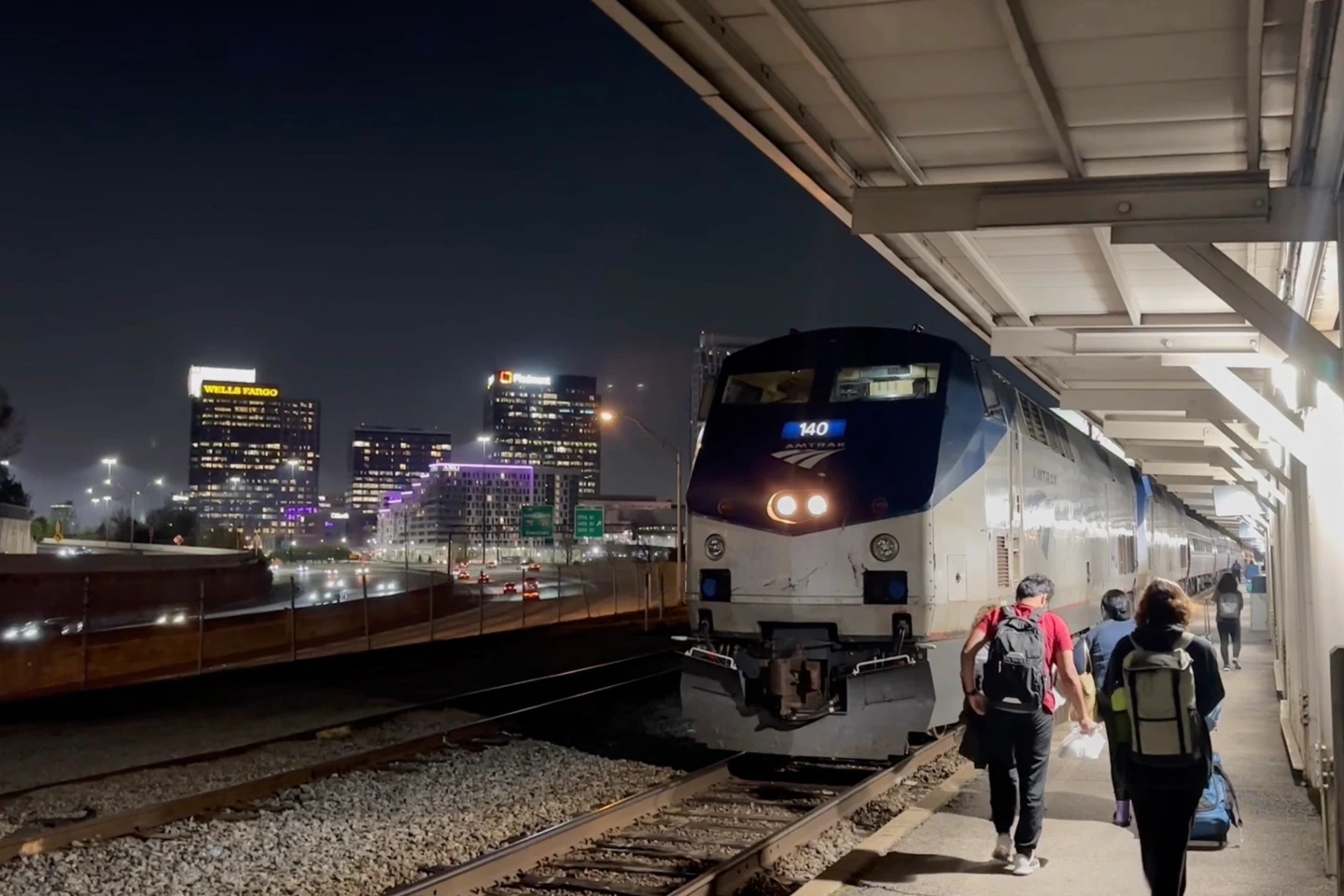
AS I TRAVELLED on the Amtrak Crescent, something unexpected occurred: my thoughts drifted beyond the rhythmic sounds of steel wheels to the pressing realities of American life. This 14½-hour train ride took me away from the chaos of airports and the bureaucratic struggles defining a political moment dominated by dissent and deadlock.
With the federal government in a budgetary breakdown, air travel had become increasingly unreliable. In contrast, train journeys surfaced once again as a compelling alternative. Instead of the rushed atmosphere of airports, the train offered a slower, contemplative pace – an echo of the 19th-century innovations that shaped logistics and commerce.
As we rolled through different landscapes, I began to appreciate how much our journeys, marked by political decision-making, intertwine with our daily lives. It’s rare these days to stop and think about how transport reflects our societal values and collective experiences.
Reflecting on Historical Context
Traveling from the urban centers of Atlanta to Washington, D.C., I encountered a diverse group of individuals. Each traveler carried their distinct stories and reasons for travel. I was reminded of my childhood curiosity watching trains roll by and the aspirations they carried.
Yet, I recognized the socioeconomic disparities reflected along this journey: some towns flourishing while others faded into quiet obscurity, invisible from the high-speed interstate systems that connected only select regions.
The Human Element of Travel
In contrast to the rigid structures of air travel, my train ride fostered community – passengers shared insights, laughs, and camaraderie. Conversations blossomed in the dining car, filled with a sense of belonging often lost in travel today. Agatha Grimes and her friends heralded the ease of rail travel as they celebrated a birthday, united in joy over the burdens of airports.
This inviting atmosphere stands at odds with the hardened edges of contemporary American civic engagement – the very backdrop of my destination, where debates around immigration policy and national identity are fiercely contested. As I traveled, I reflected on how these issues shape our collective connectivity.
In the Shadow of Political Realities
As Union Station loomed into view, it served as a powerful metaphor for the pride and progress of American infrastructure – an acknowledgment of what was once a diverse hub now marching towards a less certain future. The stagnant political climate only heightened the urgency to address our modes of transportation as they become symbolic of our broader societal challenges.
Indeed, the strain of managing both movement and identity in a country grappling with division is palpable. I arrived in Washington, a weary yet hopeful traveler, prepared to embrace the momentum of change – fuelled, perhaps, by a train journey that mirrored the contradictions of our nation.