A Military Presence in the Heart of the Capitol
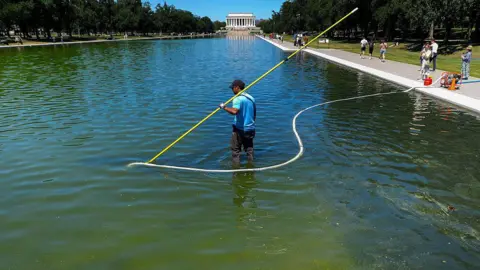
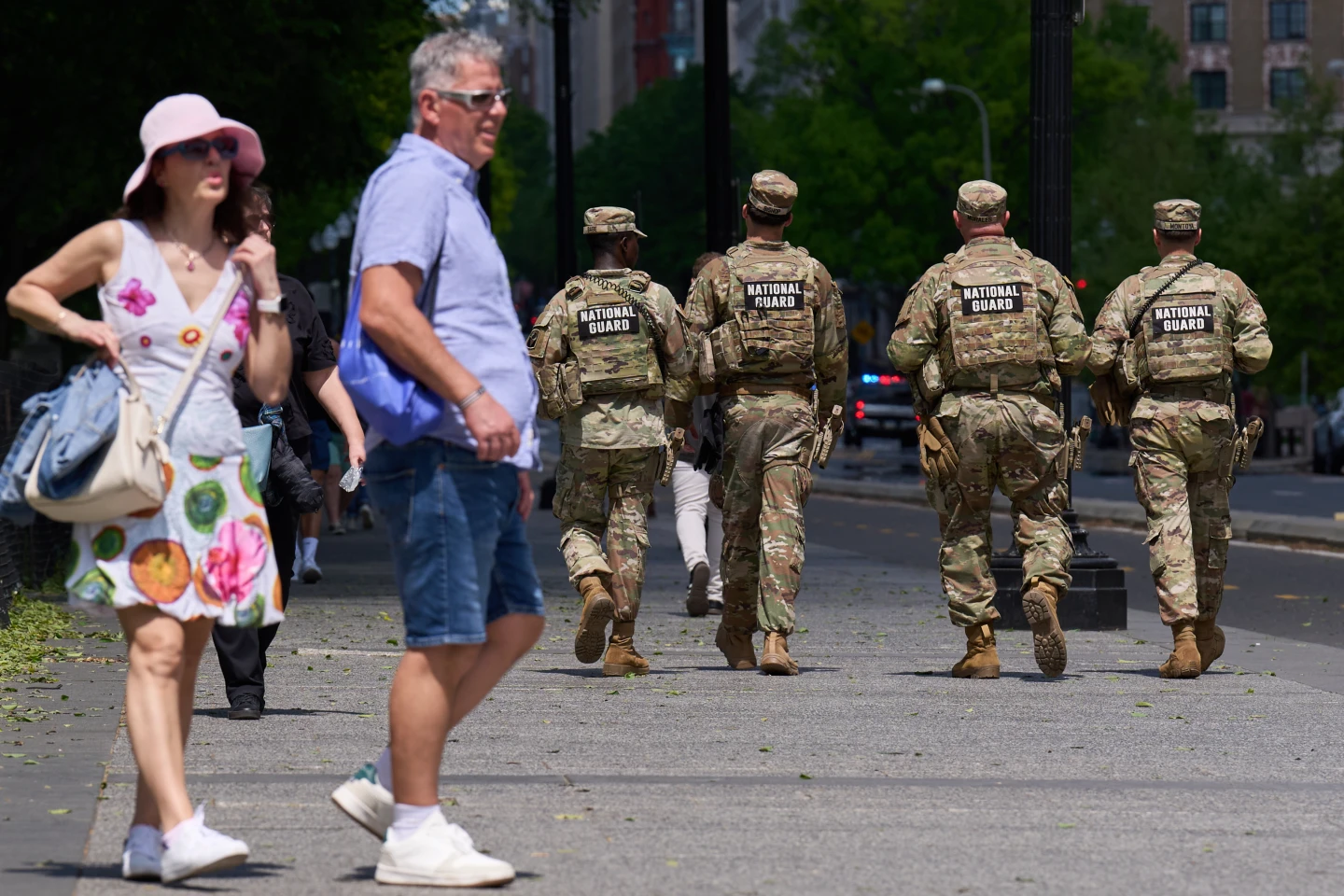
Annual cherry blossom festivities in Washington, DC draw millions, yet this year's ambiance is notably altered by the sight of National Guard troops patrolling the Tidal Basin. For months, this deployment has persisted, originally prompted by a perceived crime emergency declared by federal authorities.
The infusion of over 2,500 National Guard members represents an alarming trend of militarization in what many argue should be a civilian-led environment. Council Chairman Phil Mendelson voiced concerns about the daily cost of this operation, which drains taxpayer resources while creating an atmosphere of unease.
Response and Responsibility
The National Guard's operational presence has sparked diverse reactions. Proponents assert that troop involvement mitigates crime, evidenced by significant numbers of arrests and firearms confiscation. However, critics challenge the validity of these claims, suggesting that crime was already on a decline prior to deployment. Furthermore, inaccurate crime statistics have raised serious questions regarding trust in local policing.
Despite claims of crime reduction, an ongoing lawsuit seeks to contest the Guard’s deployment, asserting that local autonomy should assert its presence against federal overreach. The nuanced backdrop of this conflict lies in the broader dynamics of governance and local autonomy, as the District of Columbia's political landscape continues to grapple with limited self-direction.
Mixed Sentiments on Civil Rights
The political discourse leading into the upcoming elections in June lacks robust discussion of the National Guard's presence; infrastructure, statehood, and overall affordability take precedence. Yet public anxiety persists. Advocacy groups are spearheading protests to address this military imposition, raising alarms about its implications on civic elections and human rights.
While some citizens acknowledge the heroic efforts of Guard members, there remains a palpable concern regarding the normalization of armed forces on city streets. Critics argue that this arrangement not only heightens intimidation factors during elections but also shifts priorities away from essential community needs towards military solutions.
This situation underscores the necessity for local governance to take precedence, allowing communities autonomy to define safety and justice without the overshadowing presence of the military.