As anticipation builds for the Super Bowl, the game is shaping up to be a focal point for discussions around not just sports and entertainment, but also immigration policies in the U.S. The NFL faces mounting pressure to take a clear stance against the presence of U.S. Immigration and Customs Enforcement (ICE) at the event, following a petition signed by over 184,000 individuals.
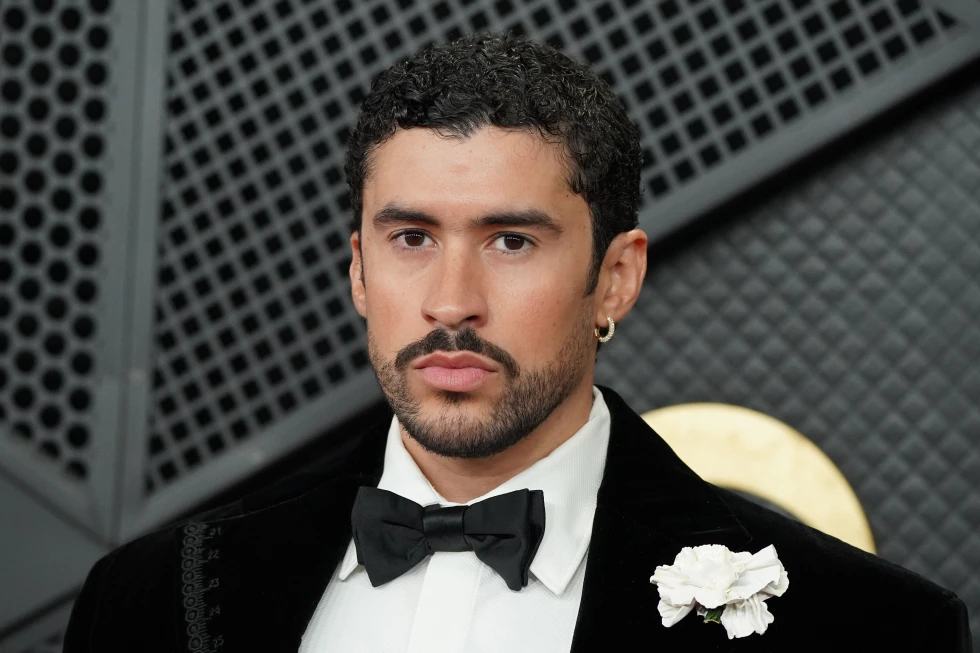
The Super Bowl will be held at Levi's Stadium in the San Francisco Bay Area, with considerable attention also directed towards the halftime show headlined by Bad Bunny, a significant figure in Latin music. Known for addressing socio-political issues, Bad Bunny has already made headlines for his outspoken criticism of the Trump administration's policies, especially concerning immigration.
In light of these pressures, the NFL's leadership has maintained that they have no plans to remove Bad Bunny from the halftime show, even in the face of criticism from conservative circles. NFL Commissioner Roger Goodell praised the artist, expressing confidence that the performance would resonate with fans while providing a united front of cultural expression.
The political environment surrounding the game has also intensified, particularly after an incident involving federal agents that reignited the national debate over aggressive immigration enforcement tactics. As lawmakers and interest groups engage in heated discussions, many viewers are left wondering how the Super Bowl will navigate these complex issues.
Amidst calls for a more pronounced stance on immigration, advocacy groups like MoveOn are planning rallies to push the NFL for accountability. They aim to ensure a safer and more inclusive environment for fans and stadium workers, advocating against the presence of armed immigration agents at the game.
As preparations continue, San Francisco's mayor has reassured the public that the event will proceed safely, highlighting a commitment to security for both residents and visitors.
The 2020 Super Bowl thus stands as a critical moment, merging sports, culture, and pressing social concerns in a uniquely American spectacle.
}