Government Shutdown Overview
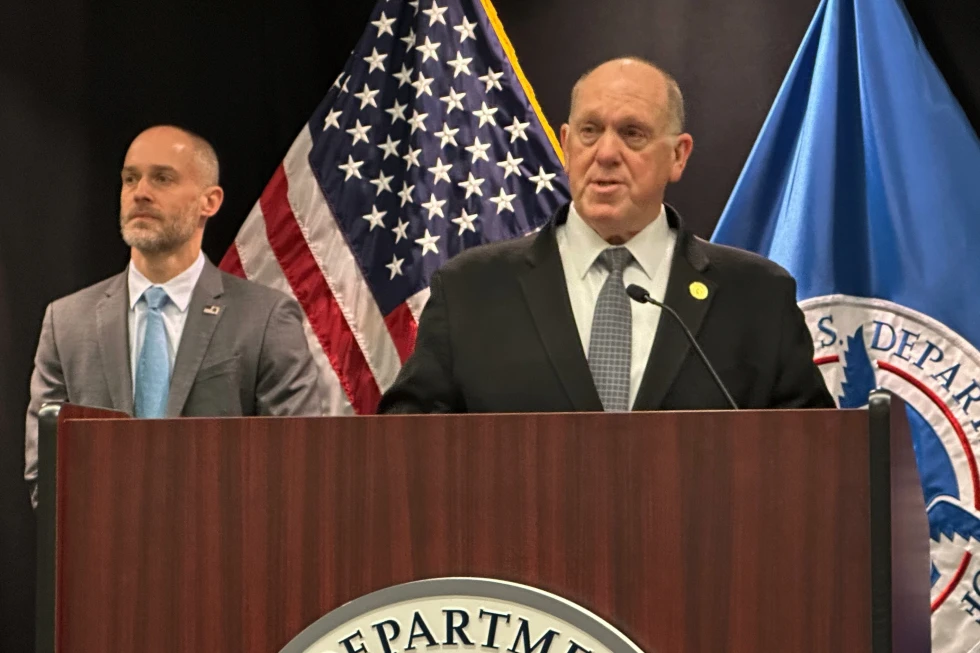
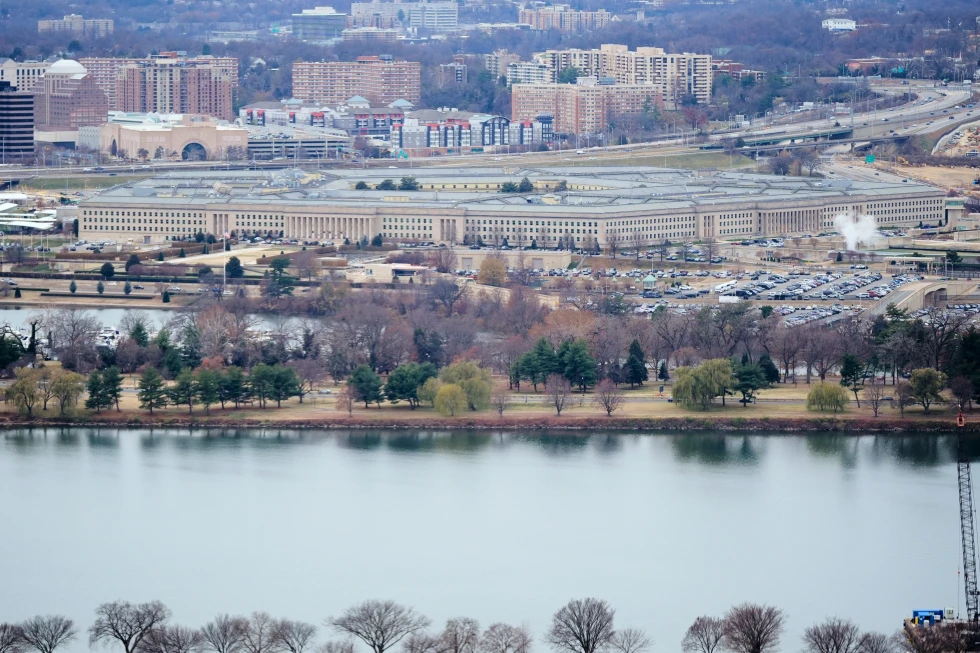
As of Saturday, a partial government shutdown affects several federal agencies, primarily the Pentagon and the Department of Homeland Security (DHS). Efforts to continue government operations are in motion, with the House expected to reconvene on Monday to discuss funding legislation aimed at ending the shutdown quickly.
Unlike previous shutdowns, critical nutrition assistance programs like the Supplemental Nutrition Assistance Program (SNAP) are fully funded, ensuring support for approximately 42 million Americans.
Diplomatic Efforts Amid Tensions
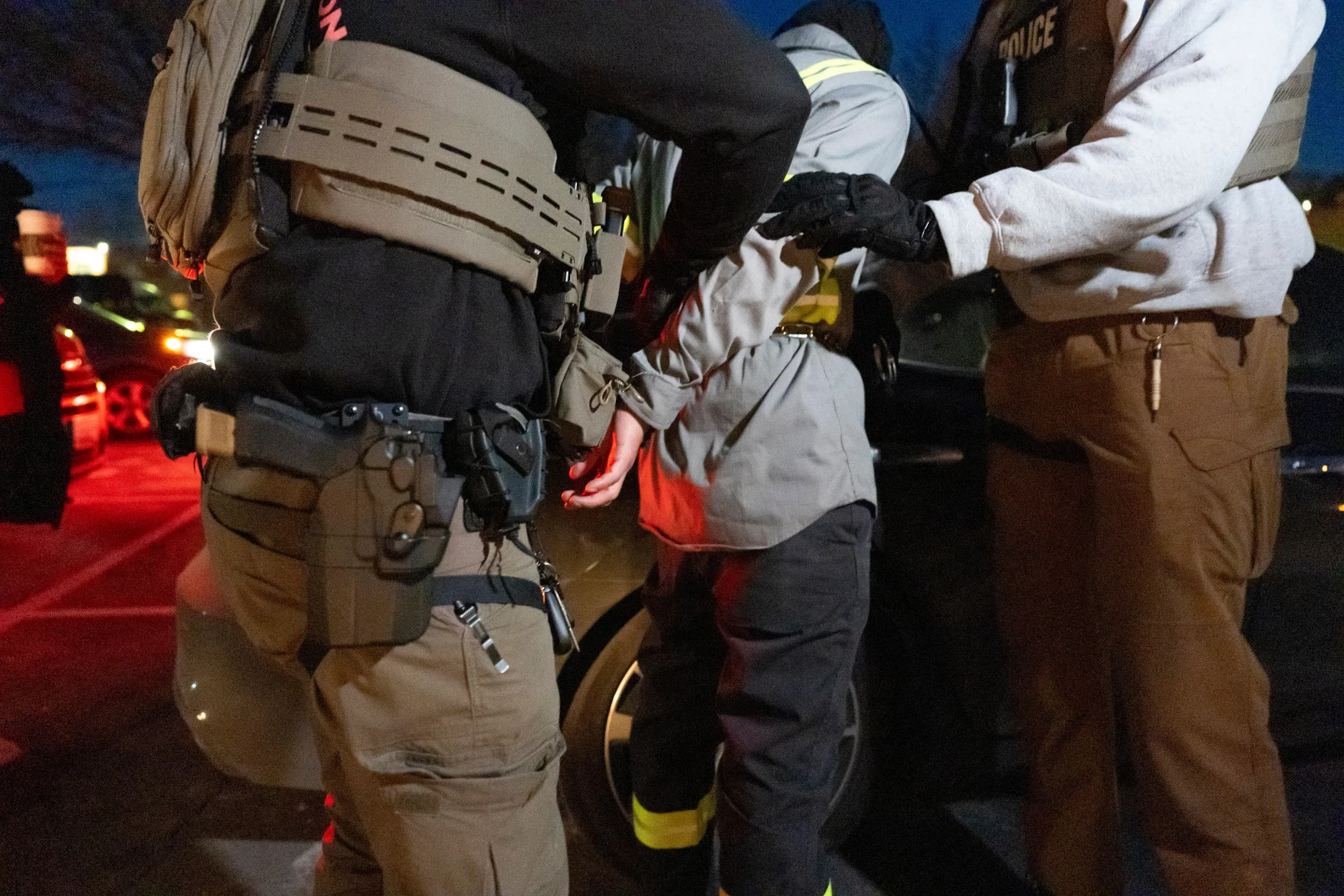
The root cause of the shutdown stems from recent bipartisan tension related to immigration policy, spurred by the deaths of two U.S. citizens by federal agents earlier this month. In response, Democrats are demanding alterations to DHS funding to include stricter immigration enforcement regulations.
Potential Impact of the Shutdown
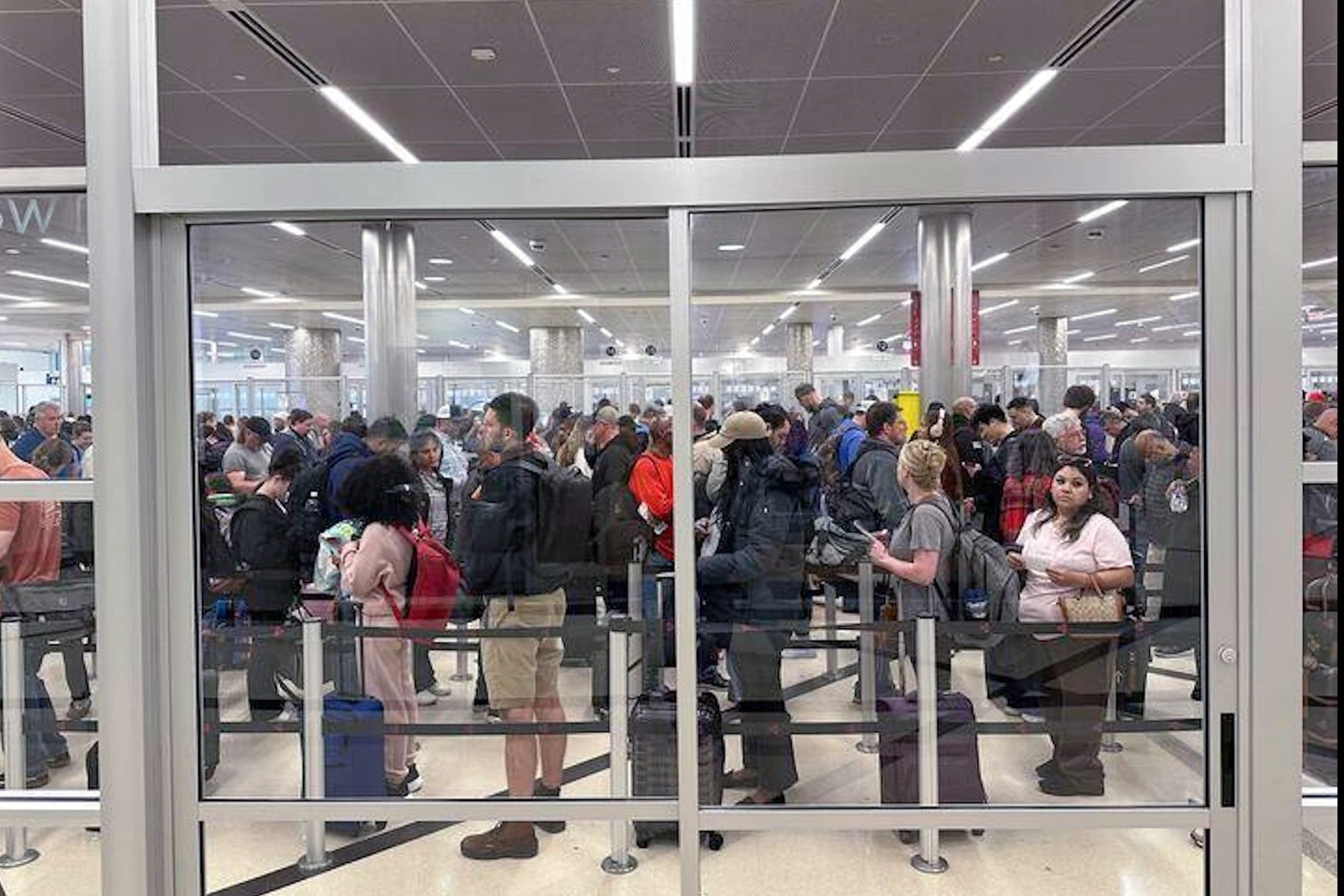
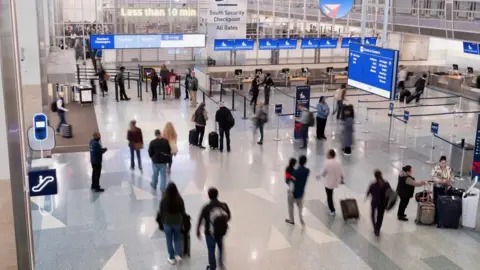
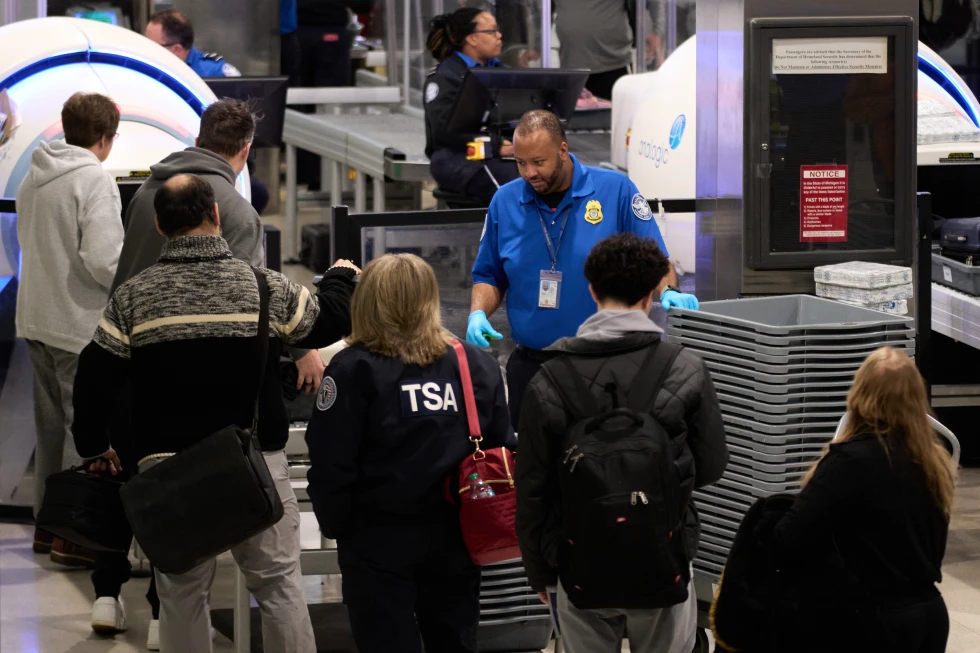
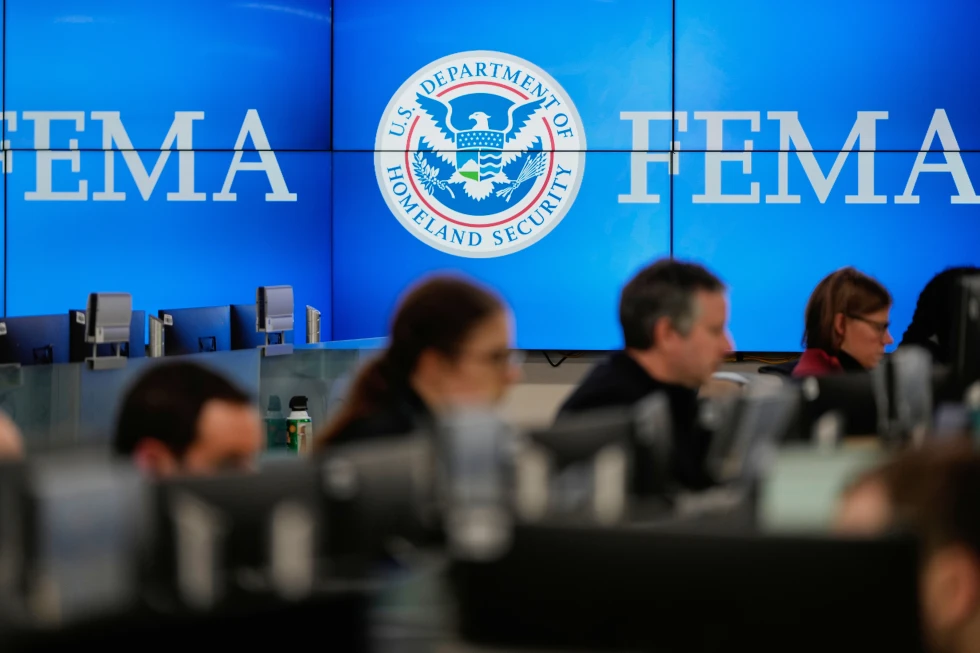
Although essential services such as air traffic control will persist during the shutdown, employees may face delayed payments if the situation extends. Critically, the funding lapse poses a challenge to FEMA's disaster response capabilities, even as it is expected to manage ongoing winter storm emergencies with existing resources.
Historical Context of Government Shutdowns
Previous brief government shutdowns have had minimal impact on the public. Comparatively, this shutdown is characterized by its immediate focus on addressing funding issues related to DHS operations without significantly disrupting daily government services.