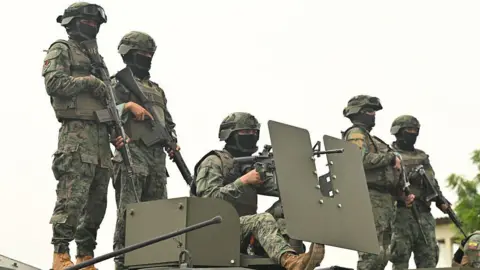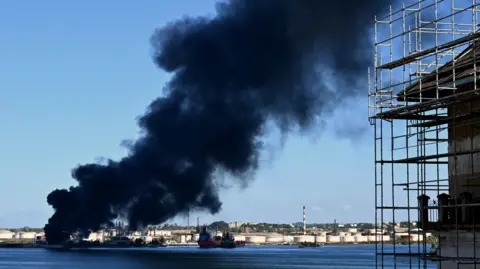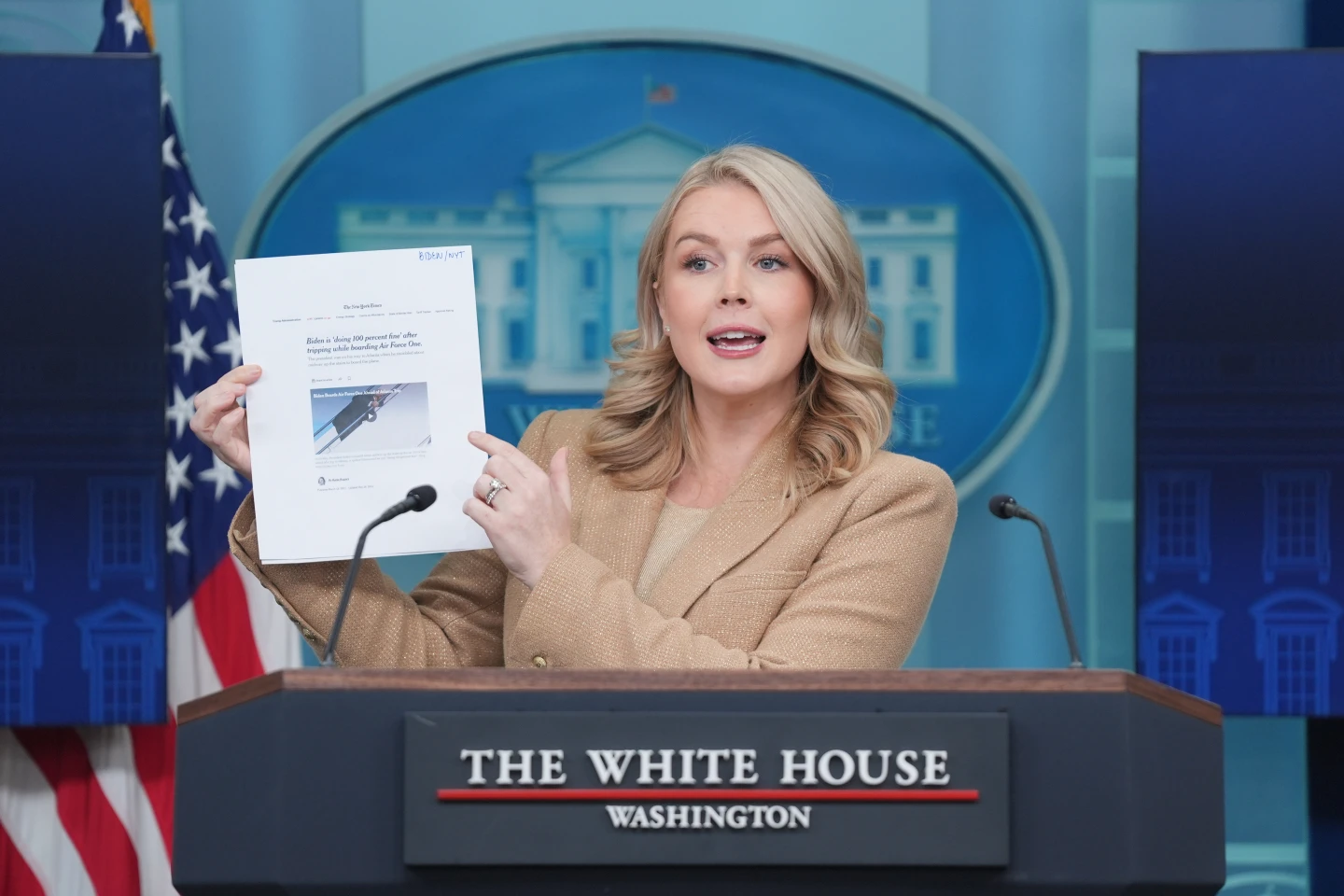
In a recent military operation, U.S. Navy Vice Admiral Frank Bradley ordered a second strike on an alleged drug boat in the Caribbean Sea, which has since ignited heated discussions among lawmakers. The White House defended his actions, stating he operated within his legal authority. White House press secretary Karoline Leavitt noted that Secretary of Defense Pete Hegseth authorized these strikes to eliminate threats to the United States.
Despite this defense, reports indicate that there were survivors of the initial strike, raising serious legal and ethical concerns. Prominent lawmakers from both parties have expressed support for congressional reviews to investigate the legality of these military actions. Senator Tim Kaine from Virginia suggested that if the reports are accurate, they could constitute a war crime.
In response to the criticisms, Hegseth has firmly denied ordering the targeting of survivors, emphasizing that operations in the Caribbean are entirely lawful and compliant with international law. The recent actions have drawn a focus on the U.S. military's strategy of combatting drug trafficking, particularly targeting operations allegedly linked to Venezuelan President Nicolás Maduro.
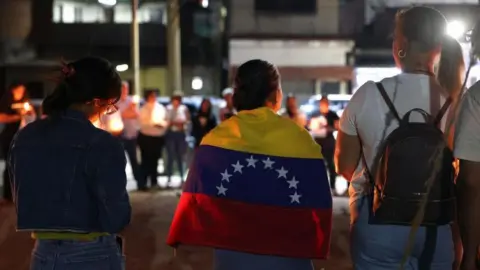
President Trump has backed the military approach while also confirming recent communications with Maduro, without divulging specifics. Meanwhile, Venezuela's National Assembly has initiated an investigation into the strikes that have reportedly resulted in the deaths of Venezuelans, highlighting the complicated nature of U.S. intervention in the region.