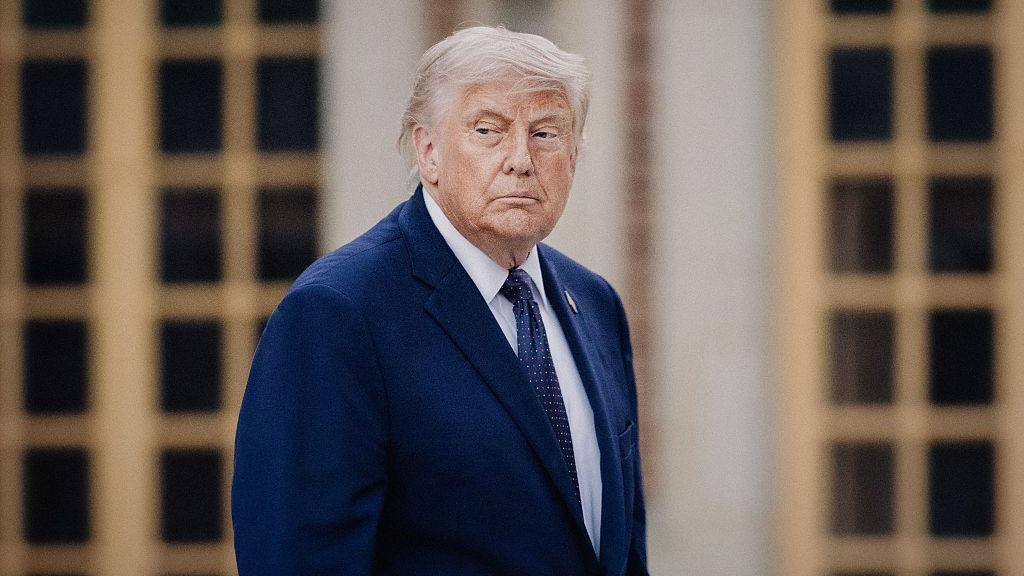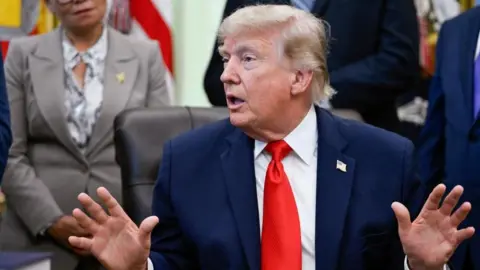
President Donald Trump has announced on his social‑media channel that a cease‑fire agreement between the United States and Iran is "scheduled to get signed" on Sunday. The tweet, posted just before midnight, signals a potential end to the months‑long standoff that has roiled global shipping lanes.
In a counter‑emphasis, spokesperson Esmaeil Baghaei of the Iranian Ministry of Foreign Affairs warned that the exact signing date is still uncertain, stating that it will “not be tomorrow.” The announcement underscores lingering doubts among Iranian officials about the timing of the deal’s finalisation.
Pakistan, acting as a mediator, said it expects the formalisation of the Memorandum of Understanding (MOU) within 24 hours and is preparing for an electronic signing process. Prime Minister Shehbaz Sharif added that technical‑level talks are planned for next week if the weekend’s signing goes ahead.
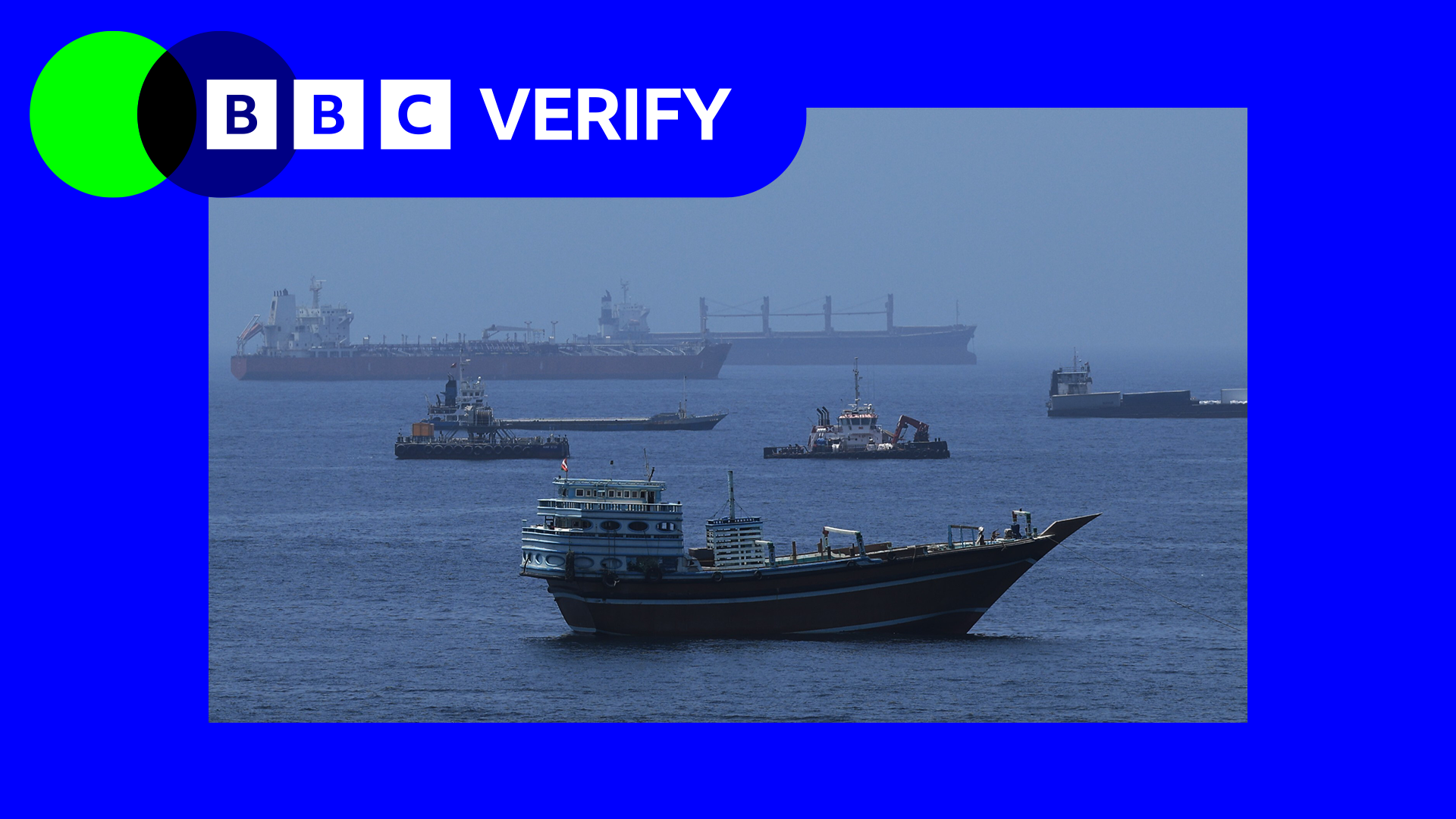
During a televised briefing, Iran’s foreign minister, Seyed Abbas Araghchi, highlighted that the deal would see the Strait of Hormuz – a critical artery for global oil and liquefied natural gas shipments – open to all. He also noted that the U.S. would lift its blockade that currently hinders Iranian port traffic.
While these developments have raised hopes of a calming Middle East, the agreement will likely sideline talks on Iran’s nuclear programme until subsequent stages. Analysts suggest that any escalation or de‑escalation could ripple through volatile markets, directly influencing the economic transition toward renewable energy in oil‑heavy regions.
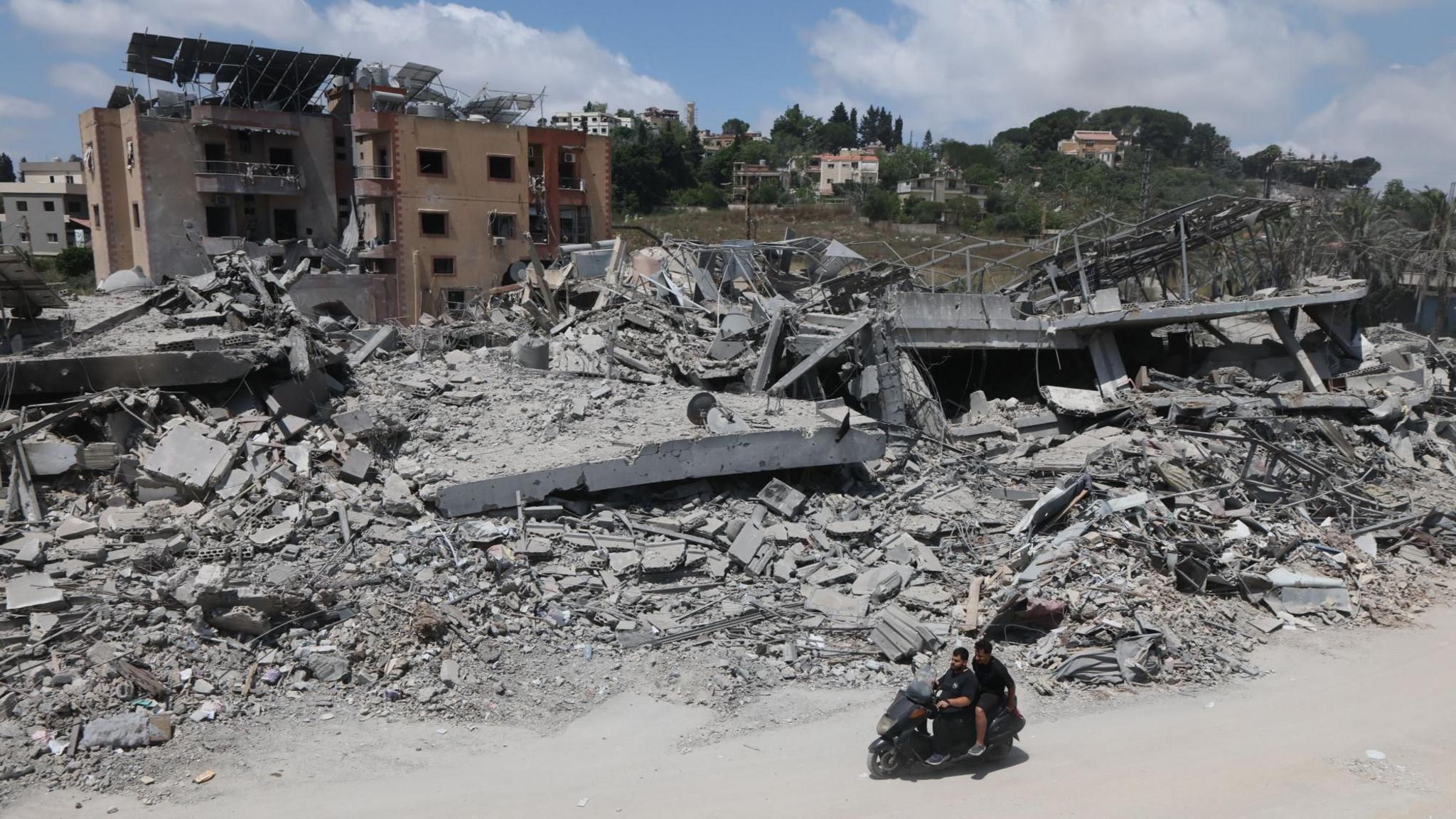
Given the conflict’s origins – sparked by U.S. and Israeli strikes on Iranian targets in February and Iran’s retaliatory attacks – the potential resolution has wide implications for regional proxies, notably Hezbollah in Lebanon, and the broader geopolitical landscape.