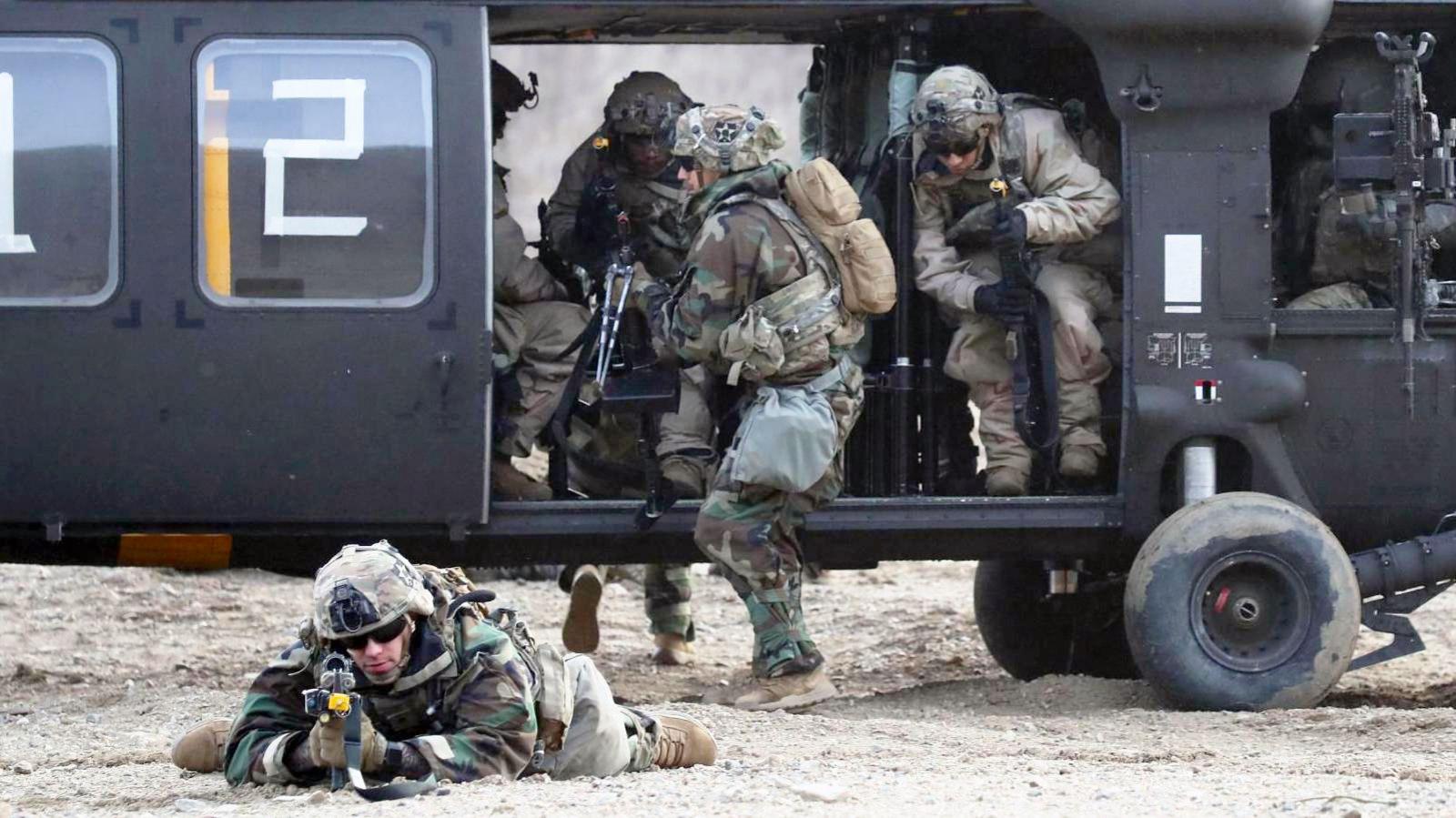
U.S. and South Korea cut the 2026 Ulchi Freedom Shield exercise by six days, shortening the joint military drills at Washington’s request.
The defence ministry in Seoul announced that the “period and scale” of the exercise would now end on 21 August instead of 27 August. The change eliminates roughly 1 % of the planned training days, greatly reducing fuel consumption and the associated carbon emissions.
Prime Minister Lee Jae‑Myung and President Donald Trump both highlighted the political implications of the scale‑down. In Seoul, the Foreign Minister Cho Hyun stated that South Korean and U.S. officials were unaware of the decision prior to the announcement, suggesting that logistical negotiations may have hampered warning timelines.
Although the cuts limit the duration and some intensity of field training, experts in military and environmental science indicate that a full‑scale exercise still requires large numbers of trucks, aircraft and naval vessels, each emitting thousands of tonnes of CO₂ per year. Therefore, even a shorter drill can have a measurable environmental impact.
The decision is thus a double‑edged sword: it ruffles regional security nerves by introducing uncertainty, yet it inadvertently creates a small climate win by lowering the exercise’s carbon footprint. Analysts suggest that incorporating emission‑tracking metrics into future defence planning could help secure a win for both security and climate goals.
South Korea’s stance emphasises that the scale and duration changes will not compromise overall defence readiness. Future exercises are expected to include new sustainability protocols—such as carbon‑neutral fuel usage and waste‑reduction measures—aligning military practice with global climate commitments.
As the U.S. and South Korea navigate the balance between strategic engagement and environmental responsibility, the 2026 exercise offers a cautionary illustration of how defence actions can broaden the climate conversation.